
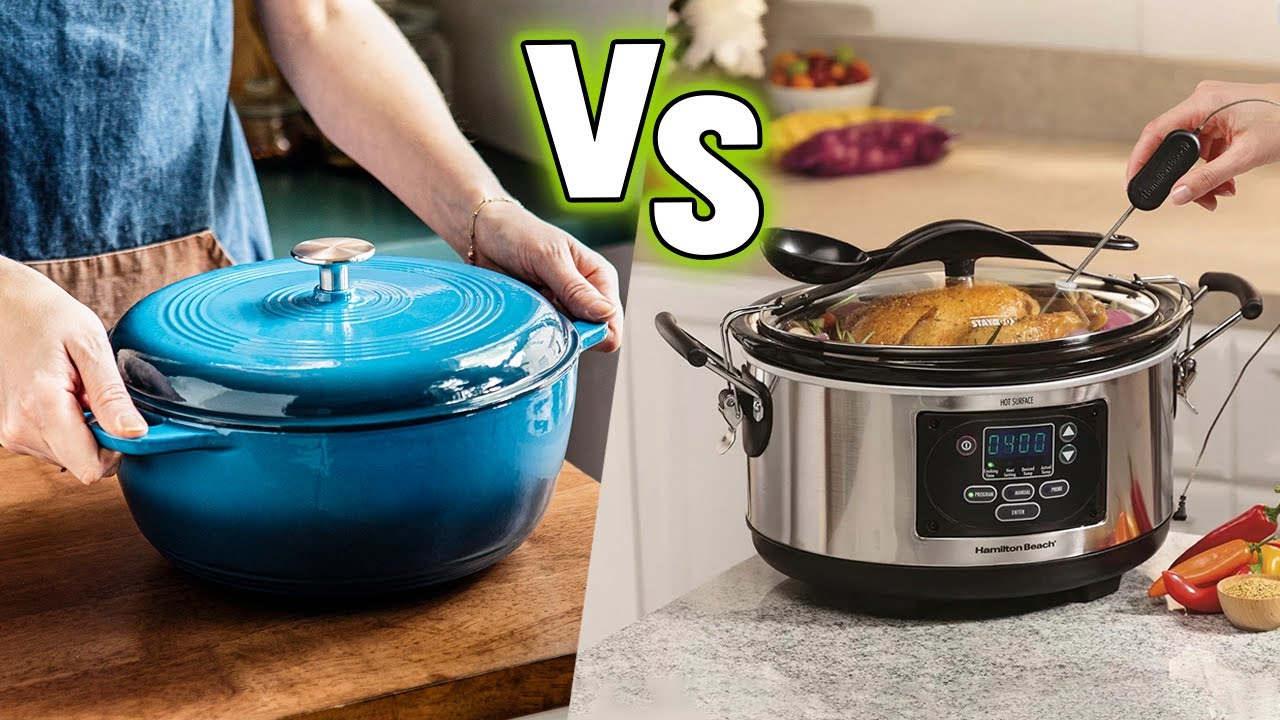
A slow cooker and a Dutch oven can make many of the same meals, but they cook very differently. Slow cookers use steady, low heat over hours with almost no evaporation, while a Dutch oven handles stovetop-to-oven cooking with better browning, faster heat control, and richer reduction.
Choose a slow cooker for hands-off soups, beans, and shredded meats you can leave all day. Reach for a Dutch oven when you want deep searing, thicker sauces, and roasted flavor—especially for braises, stews, and bread.
Dutch Oven Benefits
The Dutch oven remains a favorite in many kitchens due to its unique cooking benefits. This heavy pot enhances meals with rich flavors and tender textures. It also offers great flexibility in cooking methods. Durability ensures it lasts for years, making it a valuable kitchen tool.
Flavor And Texture
The Dutch oven excels at developing deep, rich flavors. It allows browning of meats and vegetables before slow cooking. This browning adds a savory depth that slow cookers often lack. The even heat distribution helps cook food thoroughly and evenly. Meals come out tender with a pleasing texture.
Versatility In Cooking
A Dutch oven works on the stovetop and in the oven. It can sear, fry, bake, braise, and simmer food. It is suitable for a wide range of dishes, from stews to bread. This flexibility makes it perfect for many cooking styles and recipes.
Temperature Control
The Dutch oven allows precise heat adjustments. You can start with high heat to brown ingredients. Then lower the heat for slow, gentle cooking. This control helps develop complex flavors and perfect textures. It also supports multiple cooking techniques in one pot.
Long-lasting Durability
Made of cast iron, Dutch ovens are tough and durable. With proper care, they can last for decades. This makes them a one-time investment for many home cooks. The enamel coating prevents rust and makes cleaning easier. Their sturdy build withstands high heat and daily use.

Credit: prudentreviews.com
Slow Cooker Benefits
Slow cookers offer many benefits that fit busy lifestyles and simple cooking. They allow you to prepare meals with minimal effort. Just add ingredients, set the time, and let the cooker do its work. Slow cookers help save time and energy, making meal preparation easier for everyone.
Convenience And Ease
Slow cookers require very little attention during cooking. You can start a meal in the morning and come back to it ready. No need to watch the pot or stir constantly. This makes slow cookers perfect for people with busy schedules or limited cooking skills.
Safety Features
Slow cookers are designed with safety in mind. They cook food at low temperatures over long periods. This reduces the risk of burning food or causing kitchen accidents. Most slow cookers have automatic shut-off functions to prevent overheating. This makes them safer than using a stove or oven for slow cooking.
Moisture Retention
Slow cookers keep moisture inside the pot, which helps food stay tender and juicy. The sealed lid traps steam, preventing drying out. This is ideal for cooking tough cuts of meat or hearty stews. Meals come out soft and flavorful without needing extra water or broth.
Key Differences
Understanding the key differences between a slow cooker and a Dutch oven helps you choose the right tool. Each offers unique ways to cook food and affects the flavor and texture. Knowing how they differ can improve your cooking experience.
Heat And Cooking Methods
A slow cooker uses low, steady heat over a long time. It cooks food slowly with moist heat inside a sealed pot. This makes food tender but limits the cooking styles.
A Dutch oven works with direct heat on the stove or in the oven. It can handle high heat for searing and browning. It also allows baking, frying, and braising. This versatility means more cooking options.
Browning Capability
Browning food adds deep flavor and improves texture. A Dutch oven can brown meats and vegetables easily because it reaches high temperatures.
A slow cooker cannot brown food. It cooks at low heat and traps moisture, so food stews or simmers without crispness or caramelization.
Typical Use Cases
Slow cookers are ideal for busy people. You can prepare meals in the morning and come home to ready food. They work well for soups, stews, and shredded meats.
Dutch ovens suit cooks who want more control and flavor. Use them for recipes needing searing or baking. They shine in making bread, roasts, and dishes with rich flavors.
Credit: www.youtube.com
Cooking Techniques
Cooking techniques define how slow cookers and Dutch ovens perform in the kitchen. Each tool uses heat and time differently. These differences affect flavor, texture, and ease of cooking. Understanding these methods helps pick the right tool for your meal.
Searing And Browning
A Dutch oven excels at searing and browning food. It can go from stovetop to oven with ease. Searing meat locks in juices and creates a rich crust. Browning vegetables enhances their natural sweetness. Slow cookers cannot brown food. They cook at low temperatures, which prevents caramelization. This step is vital for deeper flavor and a better texture in many recipes.
Set-and-forget Cooking
Slow cookers shine with their set-and-forget approach. Add ingredients, turn it on, and leave it alone. This method uses low, steady heat over hours. It is perfect for busy days or hands-off cooking. Dutch ovens need more attention. They require monitoring and occasional stirring. Slow cookers provide convenience but limit cooking control and technique variety.
Flavor Development
Dutch ovens develop complex flavors through high heat and browning. The even heat distribution helps meld ingredients beautifully. Slow cookers create tender dishes but with simpler flavor profiles. The moisture stays trapped inside, making food soft but less caramelized. Using a Dutch oven allows for layering flavors and textures. Slow cookers focus on gentle cooking and moisture retention.
Choosing Based On Food Type
Choosing the right cooking pot depends greatly on the food you plan to make. Both the slow cooker and the Dutch oven have unique strengths. Each one suits certain types of dishes better. Understanding these differences helps you select the best tool for your meal.
Tough Cuts And Stews
Tough cuts of meat need long, slow cooking to become tender. Both the slow cooker and Dutch oven work well here. The slow cooker gently breaks down fibers over hours. It keeps meat moist and soft.
The Dutch oven adds flavor by browning meat first. This step creates rich, deep flavors. Then, slow cooking in the oven or on low heat finishes the dish. Stews cooked in a Dutch oven often taste more complex and hearty.
Quick Meals
Quick meals require fast cooking and easy cleanup. The Dutch oven excels here. It heats quickly and can cook food evenly. You can sear, sauté, and simmer all in one pot. This saves time and adds flavor.
The slow cooker is less suited for quick meals. It works best when you can leave food cooking for several hours. For fast dinners, the Dutch oven is the better choice.
Baking And Frying
Baking bread or frying foods needs high, consistent heat. The Dutch oven can handle this easily. It works well in the oven and on the stovetop. You can bake crusty bread or fry chicken with great results.
The slow cooker cannot bake or fry. It cooks only with low, moist heat. This limits the types of dishes you can make. For baking and frying, the Dutch oven is the clear winner.
Maintenance And Care
Maintaining your cooking tools extends their life and keeps meals tasting great. Both slow cookers and Dutch ovens need proper care. Each requires different cleaning and storage methods. Understanding these helps you keep your kitchen equipment in top shape.
Cleaning Dutch Ovens
Allow the Dutch oven to cool before cleaning. Avoid sudden temperature changes to prevent cracking. Use warm water and a soft sponge for cleaning. Do not use harsh detergents or metal scrubbers. For stubborn food, soak with warm soapy water. Dry thoroughly to avoid rust, especially for cast iron. Season cast iron Dutch ovens regularly to keep the surface non-stick.
Slow Cooker Upkeep
Unplug the slow cooker before cleaning. Remove the ceramic insert and lid for washing. Most inserts and lids are dishwasher safe, but hand washing prolongs life. Wipe the heating base with a damp cloth only. Avoid submerging the electrical part in water. Check the power cord for damage regularly. Store with the lid off to prevent odors and moisture buildup.
Storage Tips
Store Dutch ovens in a dry place to avoid rust. Keep the lid slightly ajar or use a paper towel inside. This prevents moisture and mold. For slow cookers, store with all parts clean and dry. Keep the cord loosely wrapped to avoid damage. Avoid stacking heavy items on top of either appliance. Proper storage ensures durability and readiness for your next meal.
Cost And Investment
Cost and investment play a big role when choosing kitchen tools. Both slow cookers and Dutch ovens have different price points. Understanding their costs helps you decide which fits your budget and cooking style.
Initial Price Comparison
Slow cookers usually cost less upfront. Basic models are affordable and easy to find. Dutch ovens often come with a higher price tag. High-quality cast iron Dutch ovens can be expensive. The price depends on size, brand, and material.
Long-term Value
Dutch ovens last for many years, sometimes decades. They can be used for many cooking methods. Slow cookers have a shorter lifespan but offer convenience. Both tools save money by reducing takeout and waste. Investing in durability matters for long-term savings.
Replacement And Repair
Slow cookers have electronic parts that can fail. Repairing them may be costly or not possible. Dutch ovens are easier to maintain and repair. Chips or cracks in the enamel might need attention. Cast iron Dutch ovens can be reseasoned if needed.
User Lifestyle Fit
Choosing between a slow cooker and a Dutch oven depends on your lifestyle and daily habits. Each tool suits different needs and cooking preferences. Understanding which fits better helps you cook with ease and enjoy meals more.
Busy Schedules
Slow cookers are perfect for people with tight schedules. You can prepare meals in the morning and let the cooker work all day. No need to watch the food closely. It saves time and reduces stress. Dutch ovens require more attention and time, making them less ideal for busy days.
Cooking Enthusiasts
Dutch ovens appeal to those who love hands-on cooking. They allow searing, frying, and baking with rich flavors. The ability to control heat adds depth to dishes. Slow cookers do not brown food or give the same texture. Cooking enthusiasts enjoy the process and results a Dutch oven offers.
Outdoor And Campfire Use
Dutch ovens are great for outdoor cooking and campfires. Their heavy cast iron builds heat evenly and withstands open flames. Slow cookers need electricity and are not portable for outdoor use. Campers and outdoor lovers prefer Dutch ovens for versatile and durable cooking.
Credit: www.choice.com.au
Conclusion
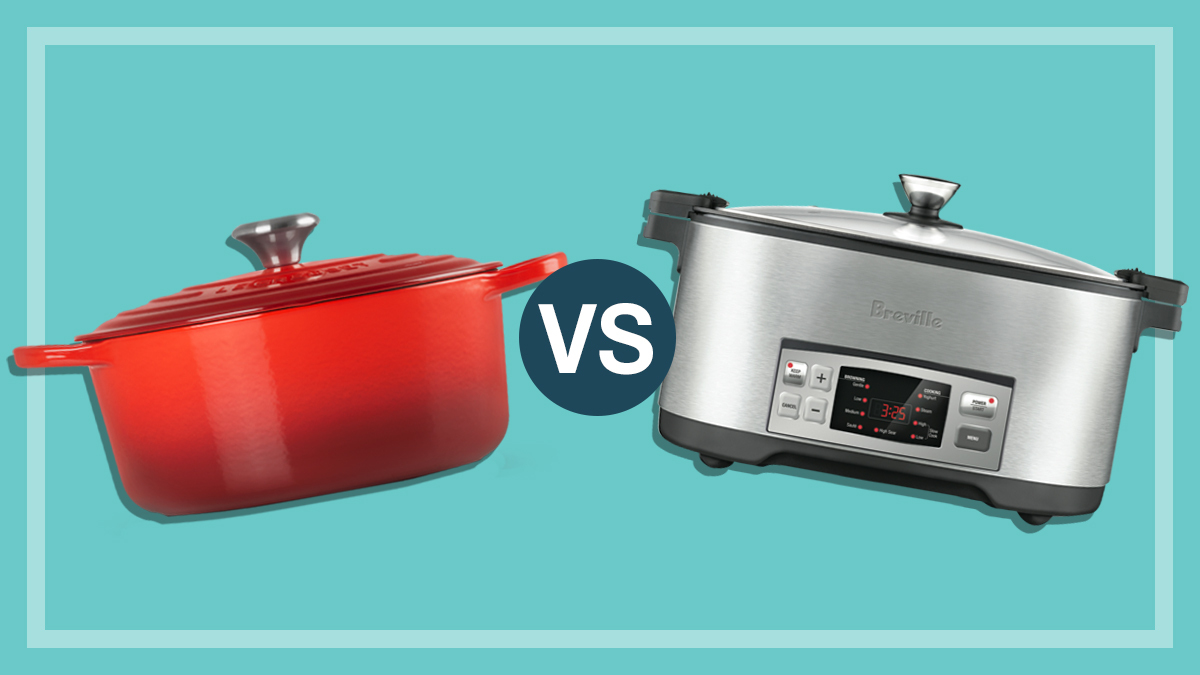
Both slow cookers and Dutch ovens have unique strengths to fit your needs. Slow cookers offer easy, hands-off cooking for busy days. Dutch ovens give you more control and richer flavors through browning. Choose a slow cooker for convenience and moisture retention.
Pick a Dutch oven for versatility and deeper taste. Your cooking style and time will guide the best choice. Both tools can help create delicious meals, so enjoy experimenting with each.