
Slow cooker liners and oven bags both make cleanup easier, but they’re made for different cooking styles and temperatures. Slow cooker liners are designed for low, moist heat inside a crock, while oven bags are built for higher oven heat and are often used to roast meats while trapping steam.
For everyday slow-cooker meals like chili, soups, or pulled pork, a liner is the easiest fit and won’t shift around much. Oven bags can work in some slow cookers if they’re fully contained and heat-safe, but they’re best saved for roasting when you want a tighter seal and faster browning.

Credit: www.reynoldsbrands.com
Differences In Design
The design differences between slow cooker liners and oven bags affect their performance and safety. Each is made for a specific type of cooking and heat exposure. Understanding these differences helps avoid damage to cookware and ensures food safety.
Heat Conditions
Slow cooker liners handle low, moist heat for hours without breaking down. They work well in slow cookers, which cook food at steady, low temperatures. Oven bags are made for high, dry heat in ovens. They can withstand quick cooking at high temperatures but may melt or degrade in slow cookers. Using oven bags in slow cookers risks melting or chemical release. Each liner suits its heat environment to prevent damage or safety issues.
Material Composition
Slow cooker liners use heat-safe, food-grade plastic designed for long cooking times. This plastic resists softening and leaching during slow cooking. Oven bags are made from nylon or polyethylene that tolerate short, high heat exposure. Their composition allows quick cooking but not extended heat contact. Slow cooker liners have thicker, more flexible material to fit slow cookers well. Oven bags are thinner and designed to withstand oven heat without bursting.
Manufacturer Guidelines
Manufacturer guidelines provide clear instructions on the proper use of slow cooker liners and oven bags. These instructions help avoid damage to your appliance and ensure food safety. Following them prevents accidents and keeps cooking smooth.
Slow cooker liners and oven bags are made for different heat conditions. Using them incorrectly can cause problems. Always check the product label and manufacturer advice before use.
Warnings Against Oven Bags In Slow Cookers
Manufacturers often warn against using oven bags in slow cookers. Oven bags are designed for high, dry heat in ovens. Slow cookers use low, moist heat over hours. Oven bags may melt or break down in slow cookers.
This can cause plastic to mix with food or damage the slow cooker. Some brands state using oven bags in slow cookers can be a fire hazard. Safety risks include chemical leaching and bag rupture. Follow the warnings to avoid these issues.
Recommended Products
Manufacturers recommend using slow cooker liners made for the appliance. These liners are heat-safe and fit the pot well. They prevent food from sticking and make cleaning easier.
Popular options include Reynolds Slow Cooker Liners and similar brands. Silicone liners are reusable and safe for slow cooking. Heavy-duty aluminum foil can work but requires careful use.
Always choose liners labeled for slow cooker use only. This protects your food and appliance. Reading product instructions ensures correct, safe use every time.
Safety Concerns
Safety is a top priority when choosing between slow cooker liners and oven bags. Both products use plastic materials that come into direct contact with food. Understanding the safety concerns helps you avoid hazards and keep your meals healthy. Below are key safety aspects to consider.
Risk Of Melting And Burning
Oven bags are made for high, dry heat inside ovens. Slow cooker liners are designed for low, moist heat over long hours. Oven bags may melt or burn in slow cookers because they are not made for prolonged wet heat. Melted plastic can stick to your slow cooker, causing damage and ruining food. Slow cooker liners resist melting and stay intact during slow cooking.
Chemical Leaching Risks
Plastic liners and bags can release chemicals when heated. Oven bags may leach harmful substances if used in slow cookers due to different temperature and moisture conditions. Slow cooker liners are tested for safe use with moist heat and longer cooking times. Using the right product lowers the chance of chemicals mixing with your food. Always choose liners made for your cooking method to protect your health.
Slow Cooker Liners Benefits
Slow cooker liners offer many benefits that improve cooking and cleaning. They make slow cooking easier and more convenient. These liners are designed to handle the unique conditions inside a slow cooker. Using them can save time and reduce mess.
Heat Resistance
Slow cooker liners resist heat well. They are made from materials that can handle long, low-temperature cooking. This means they do not melt or break down during cooking. The liners keep food safe by preventing chemicals from leaking. They also protect the slow cooker pot from damage.
Ease Of Cleanup
Cleanup becomes much easier with slow cooker liners. After cooking, you just remove the liner and throw it away. This stops food from sticking to the pot. It saves scrubbing and soaking time. Using liners means less mess and less effort cleaning the slow cooker.
Alternatives To Oven Bags
Oven bags are popular for cooking and easy cleanup, but other options exist. These alternatives help keep your slow cooker clean without the risks of oven bags. They fit the slow cooker’s low and moist heat better, making your cooking safer. Here are two common alternatives that work well.
Foil Liners
Foil liners are made from heavy-duty aluminum foil. They fit inside the slow cooker and catch drips and spills. Foil handles heat well without melting or burning. It is safe for long cooking times and easy to shape to fit your pot. Cleanup is simple—just remove the liner and toss it. Foil liners do not release chemicals or odors, keeping your food pure. They are a budget-friendly choice and widely available.
Silicone Liners
Silicone liners are reusable and flexible. They fit snugly inside slow cookers and prevent food from sticking. Silicone stands up to heat without melting or warping. It is safe for cooking and dishwasher friendly for easy cleaning. These liners last for many uses, making them eco-friendly. They also help reduce waste compared to disposable bags. Silicone liners are soft and easy to handle, perfect for slow cooker meals.

Credit: www.ebay.com
Using Slow Cooker Liners In Oven
Using slow cooker liners in the oven may seem convenient for easy cleanup. These liners fit inside the slow cooker pot and catch food spills. But ovens use much higher heat than slow cookers. This difference affects how liners behave and if they are safe to use in ovens.
Material Limitations
Slow cooker liners are made from thin, heat-resistant plastic. They handle low, moist heat for hours. Oven temperatures are much higher and dry. This can cause slow cooker liners to melt or warp quickly. The plastic may lose strength and tear inside the oven. Oven bags use thicker, stronger material made for dry heat. Using slow cooker liners in the oven risks damage and mess.
Potential Hazards
Heating slow cooker liners in the oven can release harmful fumes. These liners are not tested for high oven heat. Melting plastic can stick to cookware and be hard to clean. The liners may catch fire if exposed to very high temperatures. Food safety could be at risk if chemicals leach from melting plastic. Oven bags are designed to withstand oven heat safely without these risks.
Better Oven Lining Options
Choosing the right oven lining helps protect your cookware and makes cleanup easy. Several options work well for different cooking styles and temperatures. Here are some better oven lining choices that suit many kitchens.
Oven Bags
Oven bags are made from heat-resistant nylon designed for oven use. They help trap moisture and keep food juicy. These bags reduce splatters and make cleanup faster. Avoid using them in slow cookers, as they are not made for long, low heat. Oven bags are best for roasting meats and vegetables.
Parchment Paper
Parchment paper is a non-stick, heat-safe paper perfect for lining baking trays. It prevents sticking and burns less easily than foil. Use it for baking cookies, roasting vegetables, or lining pans. It is easy to use and eco-friendly. Parchment paper works well at temperatures up to 425°F (220°C).
Oven-safe Ceramic Inserts
Ceramic inserts can line ovens or pans to distribute heat evenly. They are reusable and easy to clean. These inserts resist high heat and avoid chemical leaching. Ceramic liners are ideal for slow roasting or baking. They help food cook evenly and prevent sticking without added fats.
Credit: www.amazon.com
Conclusion
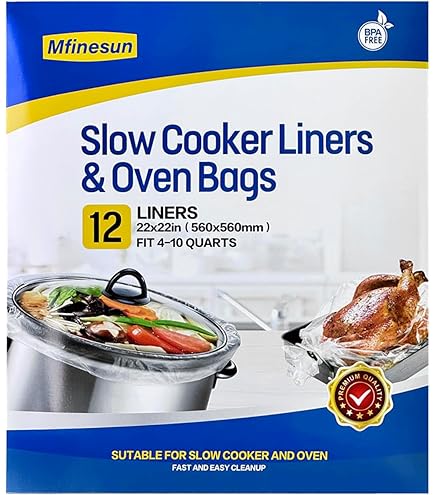
Choosing between slow cooker liners and oven bags depends on your cooking needs. Slow cooker liners fit long, moist cooking times safely. Oven bags work best with high, dry oven heat. Using the right liner helps avoid melting or safety risks.
Manufacturers recommend slow cooker liners for crock pots only. Oven bags are not made for slow cooking. Stick to products made for your appliance. This keeps food safe and cleanup easy. Safe cooking matters most for tasty meals.