
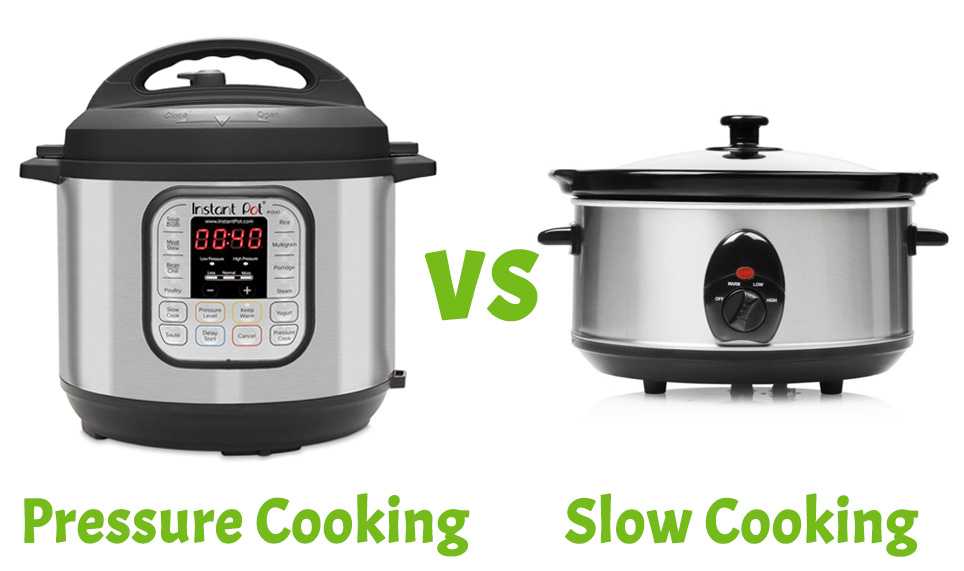
Slow cooking and pressure cooking both make tender, flavorful meals, but the timing and results are different. Slow cookers simmer gently for hours, building deep, mellow flavor, while pressure cookers use steam and high pressure to finish similar dishes in minutes, locking in moisture fast.
Use a slow cooker for hands-off roasts, soups, and shredded meats that can cook all day. Reach for a pressure cooker when you need quick weeknight beans, stews, or pulled pork without the long wait, then reduce the sauce after for richer texture.

Credit: www.farmison.com
Pressure Cooker Benefits
Pressure cookers offer many benefits that make cooking faster and easier. They use high pressure to cook food quickly. This method saves time and energy. Meals that usually take hours can be ready in minutes. Pressure cooking also helps keep food’s taste and nutrients intact.
Using a pressure cooker can change how you prepare meals. It suits busy days and quick dinner plans. The device is not just fast but also flexible. Here are some key benefits of pressure cooking.
Speed And Efficiency
Pressure cookers cook food much faster than other methods. They use steam under high pressure to raise the boiling point of water. This speeds up the cooking process. Foods like beans, tough meats, and grains cook in a fraction of the usual time. Less cooking time means less energy used. This makes pressure cooking very efficient and eco-friendly.
Nutrient Retention
Pressure cooking preserves more vitamins and minerals. The sealed environment traps steam and heat. This reduces nutrient loss compared to boiling or slow cooking. Foods retain their color, flavor, and nutrients better. The short cooking time also protects heat-sensitive vitamins. Eating pressure-cooked meals means enjoying healthier food.
Versatility In Cooking
Pressure cookers can do more than just cook fast. Many models have settings for sautéing, steaming, and slow cooking. You can brown meats, make soups, or cook rice all in one pot. This saves dishes and kitchen space. Pressure cookers adapt to many recipes and cooking styles. They are great for experimenting with new dishes.
Ideal Foods For Pressure Cooking
Pressure cookers work best for foods that need long cooking times. Tough cuts of meat become tender quickly. Dry beans and legumes cook without soaking overnight. Whole grains like brown rice and barley cook evenly and fast. Soups, stews, and stocks develop rich flavors in less time. Vegetables cook quickly and keep their texture better.
Pressure Cooker Drawbacks
Pressure cookers offer fast cooking, but they come with some drawbacks. These can affect your cooking experience and meal results. Knowing these issues helps you decide if a pressure cooker suits your kitchen.
Requires Liquid
Pressure cookers need a minimum amount of liquid to work properly. Without enough liquid, food can burn or stick to the bottom. This limits the types of recipes you can prepare. Dry dishes or recipes needing little liquid are difficult to cook in a pressure cooker.
Learning Curve And Safety
Using a pressure cooker safely requires practice. It takes time to learn how to release pressure correctly. Incorrect use can cause steam burns or accidents. New users must follow instructions carefully to avoid risks. This can make pressure cookers less user-friendly for beginners.
Less Flavor Melding
Pressure cooking uses high heat and fast cooking times. This process limits the time flavors can blend deeply. Slow cooking allows spices and ingredients to mix slowly and develop richer taste. Meals from pressure cookers may lack the same depth of flavor found in slow-cooked dishes.
Slow Cooker Benefits
Slow cookers offer many benefits that make meal preparation easy and enjoyable. They allow food to cook over several hours at low temperatures. This slow cooking process has unique advantages for home cooks. Understanding these benefits can help you decide if a slow cooker fits your kitchen needs.
Slow cookers are great for busy days and hands-off cooking. They create rich flavors and tender textures. The device also keeps your kitchen cool, unlike other methods that generate heat quickly.
Convenience And Ease
Slow cookers let you prepare meals without constant attention. Simply add ingredients, set the timer, and walk away. This “set and forget” style saves time and effort. It works well for people who want hot meals ready after work or school.
Flavor Development
Slow cooking allows flavors to blend deeply. The low heat breaks down ingredients slowly, enhancing taste. Spices and herbs have more time to infuse. This results in richer, more complex dishes than quick cooking methods.
Tenderizing Tough Cuts
Slow cookers soften tough meat cuts effectively. Long cooking times break down connective tissues. This turns cheaper, tougher meats into tender, juicy meals. It also helps make stews and roasts more enjoyable.
Keeps Kitchen Cool
Unlike ovens or stovetops, slow cookers produce little heat outside the pot. This keeps kitchens cooler, especially in warm weather. You can cook meals without heating up your entire kitchen space.
Slow Cooker Drawbacks
The slow cooker offers ease and convenience, but it has some drawbacks. It requires much time to cook meals fully. This can be inconvenient for those needing quick results.
Some vegetables lose their ideal texture after long cooking. They may become too soft or mushy, which many find unpleasant. The slow cooking process can also cause nutrient loss. Heat and time break down vitamins and minerals in food.
Another drawback is the limited ability to brown food. Slow cookers do not reach high heat needed for browning. This step adds flavor and texture, which you miss out on when using a slow cooker alone.
Long Cooking Times
Slow cookers take several hours to prepare meals. Recipes often require four to eight hours or more. This is not helpful for quick dinners or last-minute meals. The long wait may not fit busy schedules or sudden hunger.
Texture Issues With Vegetables
Vegetables cooked in slow cookers often become very soft. They lose firmness and crispness during the long heat exposure. Mushy vegetables can make dishes less enjoyable. This texture change is common with potatoes, carrots, and green beans.
Nutrient Loss
Extended cooking times cause nutrient loss in slow-cooked food. Vitamins like C and B degrade under heat over hours. Minerals may also leach into cooking liquid. Eating slow-cooked meals daily may reduce some nutritional benefits.
Limited Browning Ability
Slow cookers do not brown or sear food well. Browning adds a rich, deep flavor and appealing color. Without it, food may taste bland or less savory. To brown meat, you need to use a pan before slow cooking.
Choosing Between The Two
Choosing between a slow cooker and a pressure cooker depends on your cooking needs. Each appliance offers unique benefits. Knowing when to use each can save time and improve meal quality.
Consider how much time you have and what type of food you want to prepare. Both tools can make delicious meals, but they work very differently.
Best Uses For Pressure Cooker
Pressure cookers work best for fast cooking. They quickly tenderize tough meats and cook dried beans in minutes. Use them for soups, stews, and pasta dishes that need speed. They also help keep nutrients in food because cooking time is short. Pressure cookers are ideal for busy weeknights or last-minute meals.
Best Uses For Slow Cooker
Slow cookers excel at long, gentle cooking. They are perfect for tenderizing large roasts and making rich stews. Set them in the morning and come home to a ready meal. Slow cookers let flavors blend deeply over hours. They are great for days when you have time to plan and want hands-off cooking.
Considerations For Meal Planning
Think about your daily schedule before choosing a cooker. Pressure cookers need more attention and learning to use safely. Slow cookers require less monitoring but take longer. Also, consider the texture you prefer: pressure cooking keeps veggies firm, slow cooking can soften them more. Lastly, think about energy use; pressure cookers save energy by cooking fast.
Credit: www.corriecooks.com
Cooking Tips
Cooking with a slow cooker or pressure cooker can be simple and rewarding. Each method needs some tips for best results. These tips help you cook food that tastes great and has the right texture. Follow these easy steps to improve your meals and enjoy your cooking time more.
Maximizing Flavor In Pressure Cooking
Use the sauté function first to brown meat and vegetables. This adds a rich, deep flavor. Add herbs and spices early to let them release their aroma. Use broth or stock instead of water for more taste. Avoid overfilling the cooker to keep the pressure even. Let the pressure release naturally for a few minutes before opening the lid. This helps the flavors settle and keeps the food tender.
Avoiding Overcooking In Slow Cooking
Cut ingredients into uniform sizes for even cooking. Place root vegetables at the bottom, closer to the heat. Add dairy products near the end to prevent curdling. Keep the lid closed during cooking to keep the heat and steam inside. Use the low setting for long, slow cooking to keep food tender. Check food near the end of the cooking time to avoid mushy textures. Stir gently if needed, but avoid lifting the lid too often.
Safety Precautions
Always read the manual before using your cooker. For pressure cookers, check the seal and valves regularly. Never open the lid until the pressure is fully released. Use oven mitts to handle hot parts. Keep the cooker away from children while in use. Clean your cooker thoroughly after each use to avoid build-up. Store your cooker in a dry place to keep it in good condition.

Credit: holisticvetblend.com
Conclusion
Choosing between a slow cooker and a pressure cooker depends on your needs. Use a pressure cooker for quick meals and better nutrient retention. Pick a slow cooker for easy, hands-off cooking and rich flavors. Both tools have unique benefits and limits.
Understanding these helps you cook smarter and enjoy meals more. Try both and see which fits your lifestyle best. Cooking should be simple and satisfying.