
Cooked black beans keep 3–5 days in the refrigerator when stored in an airtight container at 40°F (4°C) or below. For the best flavor and texture, aim to use them within 3–4 days, especially if they’re seasoned with acidic ingredients like tomatoes or lime.
Cool the beans quickly and refrigerate within two hours, keeping them in a little cooking liquid so they don’t dry out. Reheat until steaming hot, and discard if they smell sour, look foamy, or feel slimy.
Shelf Life Of Cooked Black Beans
Cooked black beans are a nutritious and versatile food. Knowing their shelf life helps you avoid waste and foodborne illness. Proper storage keeps them safe and tasty for several days.
Typical Refrigerator Duration
Cooked black beans usually last 3 to 5 days in the fridge. Store them in an airtight container to maintain freshness. Keep the temperature at or below 40°F (4°C). Avoid leaving cooked beans out at room temperature for more than two hours.
Factors Affecting Freshness
Several factors change how long cooked black beans stay fresh. Cooling beans quickly after cooking slows bacteria growth. Using clean utensils prevents contamination. The moisture level inside the container also matters. Beans stored in a damp environment spoil faster. The type of container affects air exposure and moisture retention.

Storage Best Practices
Proper storage of cooked black beans helps keep them fresh and safe to eat. Following best practices preserves their flavor and texture. It also prevents spoilage and food waste. Simple steps can extend their fridge life to 3-5 days.
Choosing The Right Container
Select containers that seal tightly to keep air out. Glass or BPA-free plastic containers work well. Avoid using bags that can leak or are hard to seal. Containers with lids help prevent odors from other foods mixing in. Use small containers for portions you plan to eat soon.
Importance Of Cooling Quickly
Cool cooked black beans fast to stop bacteria growth. Spread beans out on a shallow tray to cool faster. Don’t leave them out more than one hour after cooking. Once cooled, transfer beans into containers and place them in the fridge. Rapid cooling keeps beans safe and tasty.
Maintaining Moisture
Keep beans moist but not soggy to maintain texture. Store beans with some cooking liquid or add a little water before sealing. This prevents them from drying out and becoming hard. Check before reheating and add liquid if needed. Proper moisture keeps beans soft and flavorful.
Signs Of Spoiled Beans
Knowing the signs of spoiled black beans helps keep your meals safe and tasty. Cooked black beans can last a few days in the fridge, but they can go bad. Spoiled beans may cause stomach issues or taste unpleasant. Check for changes in smell, texture, and look before eating.
Odor Changes
Fresh cooked black beans have a mild, earthy smell. Spoiled beans develop a sour, rancid, or off odor. If your beans smell strange or unpleasant, do not eat them. Bad smell is one of the first signs of spoilage.
Texture And Appearance
Good beans are firm but soft enough to eat. Spoiled beans become slimy or mushy. They may also feel sticky or wet on the surface. Avoid beans that look overly mushy or have a slimy coating.
Mold And Discoloration
Mold appears as fuzzy spots in white, green, or black colors. Discoloration means beans look darker or have unusual spots. Mold or strange colors mean the beans are unsafe. Throw away any beans with mold or odd colors.
Freezing Cooked Black Beans
Freezing cooked black beans extends their shelf life and keeps them fresh longer. It is a smart way to save leftovers and reduce food waste. Proper freezing preserves flavor, texture, and nutrients. Freezing also makes meal prep easier for busy days. You can enjoy cooked black beans anytime without cooking from scratch.
Freezing Tips
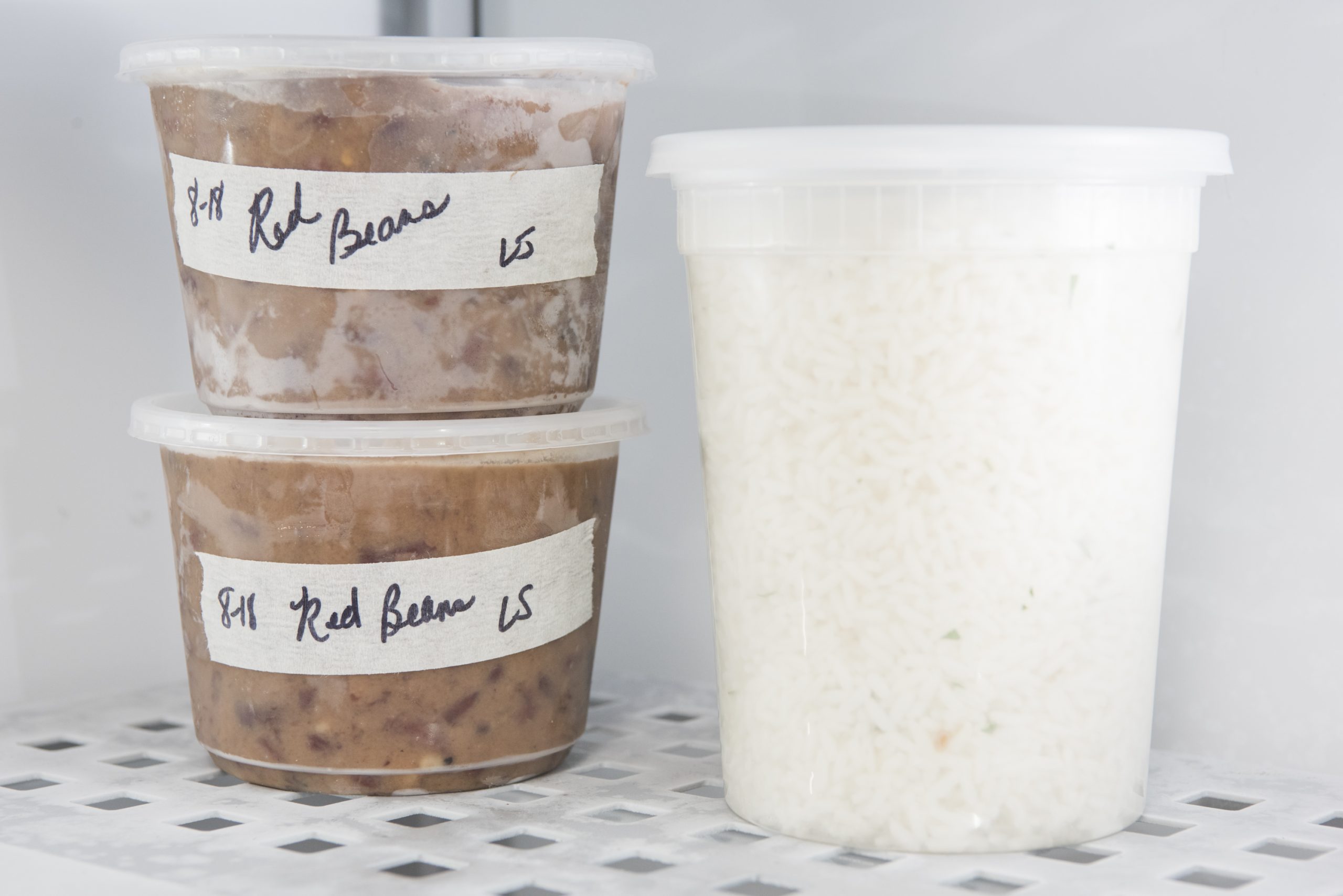
Cool cooked black beans completely before freezing. Hot beans can raise freezer temperature and cause frost. Use airtight containers or freezer bags to prevent freezer burn. Leave space in containers for beans to expand when frozen. Label containers with the date to track storage time. Freeze beans in small portions for easy use later.
Thawing And Reheating
Thaw frozen black beans in the fridge overnight for best results. For quick thawing, use a microwave or warm water bath. Reheat beans gently on the stove or microwave to avoid drying out. Add a splash of water if beans seem dry during reheating. Always heat beans until steaming hot to ensure food safety.
Differences Between Dry, Canned, And Cooked Beans
Beans are a staple in many kitchens. They come in different forms: dry, canned, and cooked. Each type has unique qualities that affect storage and shelf life. Understanding these differences helps keep beans fresh and safe to eat.
Dry beans are raw and need soaking and cooking before eating. They last a long time if stored correctly. Canned beans are pre-cooked and sealed, ready to use after opening. Cooked beans come from either dry or canned beans but have a shorter shelf life due to moisture and exposure to air.
Shelf Life Comparisons
Dry beans can last up to a year or more in a cool, dry place. They may take longer to cook as they age but remain safe if stored well.
Canned beans have a shelf life of 2 to 5 years unopened. Once opened, they should be used within 3 to 4 days if refrigerated.
Cooked beans stay fresh in the fridge for about 3 to 5 days. They spoil faster because of moisture and bacteria growth after cooking.
Storage Recommendations
Store dry beans in airtight containers away from light and heat. This keeps them dry and free from pests.
Keep canned beans in a cool, dark pantry before opening. After opening, transfer leftover beans to a sealed container and refrigerate.
Cooked beans must cool quickly before refrigerating. Place them in shallow containers to speed cooling and cover tightly to prevent odors and drying out.
Safety Tips For Consuming Beans
Cooked black beans are a healthy and versatile food. Storing them properly keeps them safe to eat. Following simple safety tips helps avoid health risks. Learn how to tell if beans are still good. Understand how to prevent foodborne illness from beans.
When To Discard
Throw away beans if they smell sour or strange. Look for a slimy surface or mold spots. If the beans change color, do not eat them. Beans kept in the fridge longer than 5 days should be discarded. Trust your senses to decide if beans are safe.
Avoiding Foodborne Illness
Cool cooked beans quickly before putting them in the fridge. Store beans in an airtight container to keep bacteria out. Reheat beans until they are steaming hot to kill germs. Never leave cooked beans at room temperature for more than two hours. Wash hands and utensils before handling beans to prevent contamination.

Frequently Asked Questions
How Do You Know If Cooked Black Beans Have Gone Bad?
Cooked black beans have gone bad if they smell sour or rancid, show mold, or have a slimy texture. Discard them immediately.
How Long Can Cooked Black Beans Stay In The Refrigerator?
Cooked black beans stay fresh in the refrigerator for 3 to 5 days. Store them in an airtight container. Cool and refrigerate within two hours to prevent spoilage. Check for sour smell or slimy texture before eating.
How Quickly Do Beans Go Bad?
Cooked beans last 3-5 days in the fridge when stored in an airtight container. Discard if sour smell or mold appears.
Can You Keep Beans In The Fridge For A Week?
Yes, you can keep cooked beans in the fridge for up to 5-7 days. Store them in an airtight container. Refrigerate within two hours after cooking to maintain freshness and prevent bacteria growth. Check for sour smell or slimy texture before eating.
Conclusion
Cooked black beans stay fresh in the fridge for about 3 to 5 days. Store them in a clean, airtight container to keep flavor and texture. Always cool beans quickly before refrigerating to avoid bacteria growth. Check beans for any bad smell or slimy texture before eating.
When stored properly, black beans make a healthy, tasty meal even days after cooking. Enjoy your beans safely by following these simple tips.