
Cooked beans keep 3–5 days in the refrigerator when stored in an airtight container at 40°F (4°C) or below. For the best flavor and texture, use them within 3–4 days, especially if they’re cooked with tomatoes or salty seasonings.
Cool beans quickly and refrigerate within two hours, keeping them in their cooking liquid to prevent drying out. Reheat until steaming hot, and discard them if you notice a sour smell, bubbling liquid, or a slimy texture.
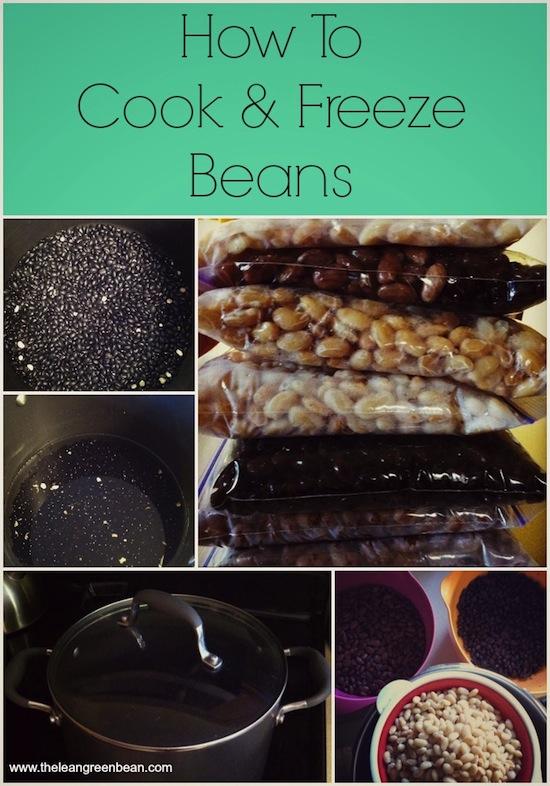
Cooked Beans Lifespan
Cooked beans are a nutritious and versatile food. Knowing how long they last in the fridge helps avoid waste and illness.
Proper storage keeps beans fresh and safe to eat. Understanding their lifespan ensures you enjoy them at their best.
Typical Fridge Duration
Cooked beans usually last 3 to 5 days in the fridge. Store them in airtight containers to maintain freshness. Keep the temperature at or below 40°F (4°C) for best results.
Beans left out for more than two hours should be discarded. This prevents harmful bacteria growth that causes food poisoning.
Factors Affecting Freshness
Several factors affect how long cooked beans stay fresh. The type of bean, cooking method, and storage container all play roles.
Beans cooked with salt or acid tend to last longer. Using clean, airtight containers slows down spoilage. Always cool beans quickly before refrigerating to reduce bacterial growth.
Signs Beans Have Spoiled
Knowing the signs that cooked beans have spoiled helps keep your meals safe. Spoiled beans can cause stomach issues. It is important to check beans carefully before eating them. Watch for changes in smell, texture, appearance, and the liquid around the beans. These signs show that beans are no longer good to eat.
Off Smell And Odor
Fresh cooked beans have a mild, earthy smell. Spoiled beans often smell sour or rancid. The odor may be sharp or unpleasant. A bad smell is one of the first signs beans have gone bad. Trust your nose to detect spoilage early.
Texture Changes
Cooked beans are soft but should not be slimy. Slimy or sticky beans show bacterial growth. Overly mushy beans may also indicate spoilage. If the texture feels strange or different, do not eat them.
Visual Mold And Discoloration
Mold looks like fuzzy patches on the beans. It can be white, green, or black. Discoloration such as dark spots or unusual colors means spoilage. Mold and color changes are clear signs to throw beans away.
Cloudy Liquid Or Bubbles
Beans stored in liquid may show cloudy water if spoiled. Bubbles or foam on the surface suggest fermentation. These signs mean bacteria are growing in the beans. Avoid eating beans with cloudy liquid or bubbles.
Storage Best Practices
Proper storage is key to keeping cooked beans fresh and safe. Following best practices helps maintain their texture and flavor. It also reduces the risk of spoilage and foodborne illness.
Simple steps can extend the fridge life of your beans. Pay attention to cooling, container choice, and moisture levels. These factors work together to preserve quality.
Cooling Before Refrigeration
Cool cooked beans quickly before placing them in the fridge. Hot beans raise the fridge temperature and may spoil faster. Spread them out on a shallow tray to cool faster. Avoid leaving beans out for more than two hours to limit bacteria growth.
Using Airtight Containers
Store beans in airtight containers to keep air and moisture out. This prevents drying and contamination. Choose containers that seal well and fit the amount of beans. Avoid loosely covered bowls or open bags.
Keeping Beans Moist With Liquid
Keep beans moist by storing them with some cooking liquid or water. This stops them from drying out and becoming tough. Add just enough liquid to cover the beans lightly. Stir before reheating to evenly distribute moisture.
Avoiding Foodborne Illness
Cooked beans are a nutritious addition to many meals. Storing them properly is key to avoiding foodborne illness. Bacteria can grow quickly on beans left out too long or stored improperly. Eating spoiled beans can cause stomach pain, nausea, or worse. Knowing how to handle and store cooked beans keeps you safe and healthy.
When To Discard Beans
Discard cooked beans if they smell sour or off. A bad odor means bacteria have grown. Check the texture—slimy or sticky beans are unsafe. Also, throw away beans with visible mold or unusual colors. Cloudy liquid or bubbles on top can signal spoilage. Trust your senses; when in doubt, throw beans away.
Handling Leftovers Safely
Cool cooked beans quickly after cooking. Place them in shallow containers to cool faster. Store beans in airtight containers in the fridge. Keep them at or below 40°F (4°C). Use leftovers within 3 to 5 days for safety. Reheat beans to at least 165°F (74°C) before eating. Do not leave cooked beans out for more than 2 hours.
Freezing Cooked Beans
Freezing cooked beans is an excellent way to keep them fresh for longer. This method slows down the growth of bacteria and preserves the beans’ flavor and texture. Freezing helps reduce food waste and saves time on future meals.
You can freeze most types of cooked beans, including black beans, kidney beans, and chickpeas. It is important to cool the beans completely before freezing to maintain quality. Proper storage techniques ensure the beans stay safe and tasty.
Extending Shelf Life
Freezing extends the shelf life of cooked beans up to six months. Beans stored in the fridge only last three to five days. When frozen, beans keep their nutrients and texture much better over time. This helps you enjoy beans well after cooking.
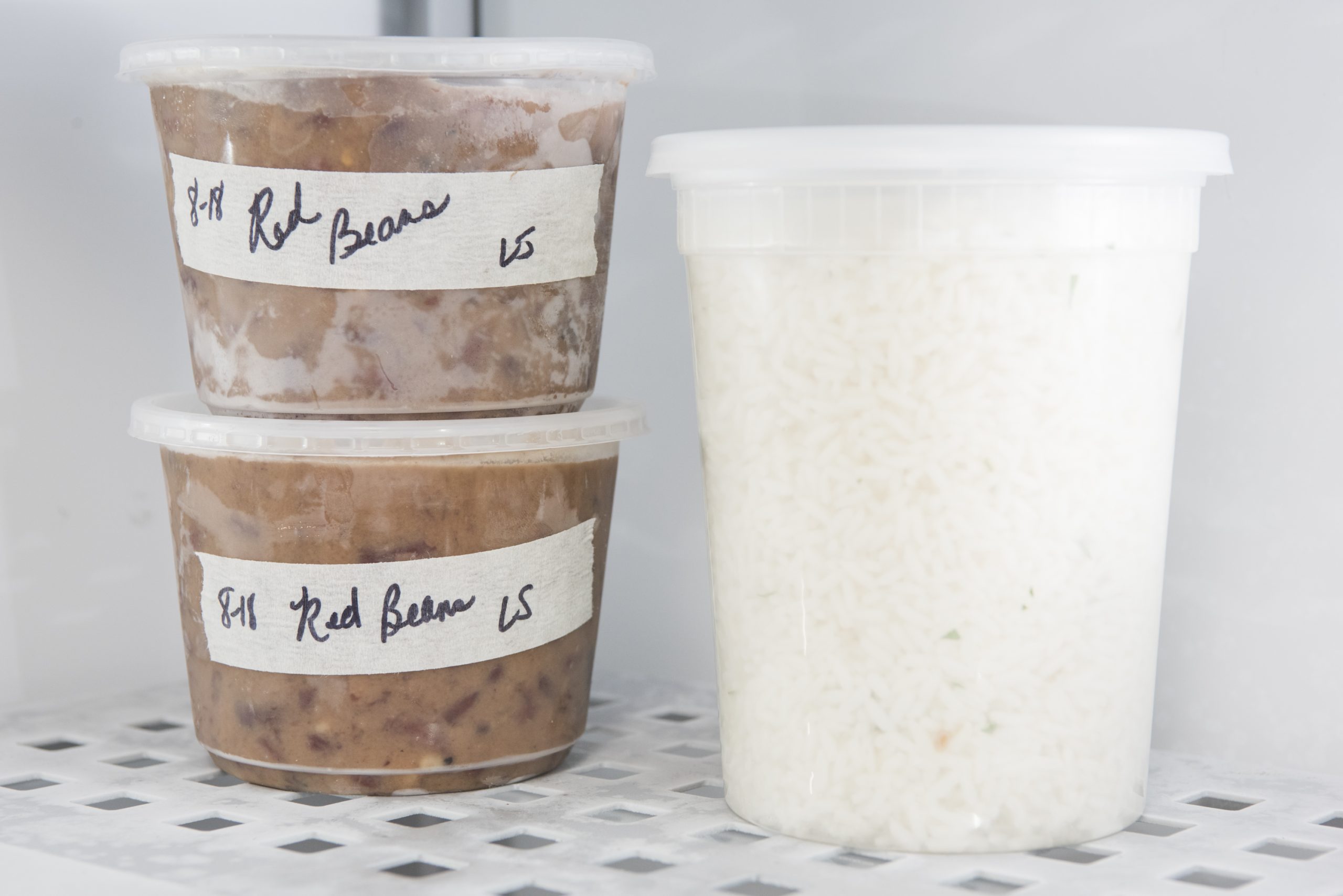
Using airtight containers or freezer bags prevents freezer burn. Label the containers with the date so you can track freshness. Avoid freezing beans in large, solid blocks for easier thawing.
Proper Freezing Methods
Spread cooked beans on a baking sheet to freeze individually. Once frozen, transfer them to freezer-safe containers or bags. This stops the beans from sticking together.
Remove as much air as possible from the bags to prevent ice crystals. Seal the containers tightly to keep moisture out. Use small portions for quick defrosting and less waste.
Thaw frozen beans in the refrigerator overnight or add them directly to hot dishes. Avoid refreezing thawed beans, as it reduces quality and safety. Following these steps keeps beans fresh and ready to use.

Frequently Asked Questions
Can You Eat Cooked Beans After 7 Days?
Cooked beans last 3-5 days in the fridge. Eating them after 7 days risks foodborne illness. Check for sour smell, mold, or sliminess; discard if present.
How Do You Know When Cooked Beans Have Gone Bad?
Cooked beans have gone bad if they smell sour or rancid, feel slimy or mushy, show mold, or display discoloration. Discard spoiled beans to avoid illness.
How Long Do Homemade Cooked Beans Last In The Fridge?
Homemade cooked beans last 3 to 5 days in the fridge. Store them in airtight containers and refrigerate promptly. Discard if they smell sour, appear moldy, or feel slimy.
Are Beans Good For A Week In The Fridge?
Cooked beans stay good in the fridge for 3 to 5 days. Keep them in airtight containers. Discard if sour smell, mold, or slimy texture appear. Avoid keeping beans for a full week to ensure safety and freshness.
Conclusion
Cooked beans stay fresh in the fridge for about 3 to 5 days. Always store them in airtight containers to keep moisture and flavor. Let beans cool to room temperature before refrigerating to prevent bacteria growth. Watch for signs like sour smell, slimy texture, or mold before eating.
When beans look or smell off, throw them away to stay safe. Proper storage helps reduce waste and keeps your meals tasty. Remember, fresh beans make every dish better.