
No—a slow cooker doesn’t use much electricity compared to most kitchen appliances. Most models draw about 70–250 watts on LOW and 150–300 watts on HIGH, so an 8-hour cook often costs less than running an oven for an hour, depending on your electric rate.
Because it uses steady, low heat, a slow cooker is one of the more energy-friendly ways to cook soups, stews, beans, and braises. Using the right size cooker, keeping the lid on, and filling it at least halfway helps it heat efficiently and stay consistent.
Slow Cooker Energy Use
Slow cookers are popular kitchen appliances known for their convenience and energy efficiency. Understanding their energy use helps you manage electricity costs better. Slow cookers use low power over long cooking times. This section explores how much electricity a slow cooker uses.
Typical Wattage Range
Most slow cookers use between 70 and 250 watts. Smaller models usually consume less power. Larger slow cookers with higher capacity use more watts. The wattage depends on the heat setting: low, medium, or high. Low settings use less electricity but take longer to cook food. High settings use more power but shorten cooking time.
Energy Consumption Over Time
Slow cookers run for several hours, often from four to eight hours. Despite the long cooking time, they use less energy than ovens or stovetops. A slow cooker on low might use about 1 to 2 kilowatt-hours (kWh) per day. This is similar to running a light bulb for several hours. Using a slow cooker is cost-effective for preparing meals over time.
Comparison With Other Appliances
Comparing the slow cooker’s electricity use with other kitchen appliances helps understand its efficiency. Different appliances cook food in different ways and times. This affects how much energy they consume. Below are simple comparisons to see how slow cookers stack up.
Slow Cooker Vs Oven
Ovens use high heat to cook food faster. This means they draw more power in a short time. A slow cooker uses low heat over many hours. It uses less electricity overall. For dishes that need long cooking, slow cookers are more energy-friendly than ovens.
Slow Cooker Vs Air Fryer
Air fryers cook food quickly by circulating hot air. They use more electricity per minute than slow cookers. But cooking times are much shorter with air fryers. Slow cookers take longer but use lower power. For small meals, air fryers might use similar or less energy than slow cookers.
Slow Cooker Vs Stove
Stoves heat food directly with gas or electricity. Electric stoves use more power quickly. Gas stoves use less electricity but burn gas instead. Slow cookers use electricity steadily but at low power. For simmering or stewing, slow cookers save energy compared to stoves.
Factors Affecting Electricity Use
Several factors influence how much electricity a slow cooker uses. Understanding these helps manage energy costs better. The main factors include cooking duration, temperature settings, and model efficiency.
Cooking Duration
The longer the slow cooker runs, the more electricity it uses. Slow cookers are designed to cook meals over several hours. Typical cooking times range from four to eight hours. Using the cooker for shorter periods saves energy. Planning meals to match cooking time can reduce electricity use.
Temperature Settings
Slow cookers usually have low, medium, and high settings. Higher temperatures use more electricity. Cooking on low setting consumes less power but takes longer. Choosing the right temperature for your recipe affects energy consumption. Lower settings help save electricity while still cooking food properly.
Model Efficiency
Newer slow cooker models are more energy-efficient than older ones. Models with better insulation keep heat longer, reducing power use. ENERGY STAR-rated slow cookers use less electricity. Checking the wattage rating helps compare energy use between models. Efficient models lower your electricity bill over time.

Credit: www.beeco.green
Cost Implications
Understanding the cost implications of using a slow cooker helps manage your electricity bills. Slow cookers use electricity continuously but at a low power level. This makes them more energy-efficient than some kitchen appliances.
Cooking meals slowly over several hours means the cooker uses less energy than an oven. The slow cooker’s design focuses on steady, low heat rather than high bursts of power. This can lead to noticeable savings in your monthly utility costs.
Daily Running Cost
Slow cookers usually run on 100 to 300 watts. On average, they consume about 1 to 2 kilowatt-hours (kWh) per day. At a typical electricity rate, this cost is quite low.
For example, if your rate is $0.12 per kWh, running a slow cooker for 8 hours costs roughly $0.10 to $0.25. This is much cheaper than using an oven for the same time period. The slow cooker’s energy use stays consistent, avoiding spikes in electricity use.
Long-term Savings
Using a slow cooker regularly can reduce overall cooking energy costs. It replaces ovens or stovetops, which often use more power. Cooking at low temperatures also means less energy waste.
Slow cookers help plan meals ahead, reducing the need for multiple cooking sessions. This lowers electricity use over time. They also minimize heat loss, saving energy in the kitchen environment.
Investing in an energy-efficient slow cooker can add to these savings. Newer models often use less power and have better insulation. This leads to even lower electricity bills over months and years.
Reducing Electricity Consumption
Reducing electricity consumption with a slow cooker helps lower energy bills and supports a greener lifestyle. Slow cookers use low power over many hours, but small changes can cut energy use further. Simple steps make cooking more efficient and eco-friendly.
Using Energy-efficient Models
Choose slow cookers with energy-saving features. Newer models often use less electricity than older ones. Look for appliances with ENERGY STAR ratings. They maintain temperature well and cook food evenly. This reduces the total cooking time and saves power.
Optimizing Cooking Times
Set the slow cooker to the right time for each recipe. Avoid overcooking, which wastes energy. Use the low setting for longer meals and high setting for shorter ones. Starting with hot ingredients can reduce cooking time. Keep the lid closed to keep heat inside.
Alternative Cooking Methods
Consider using other appliances for some meals. Pressure cookers and microwaves use less energy for quick dishes. Stovetop simmering uses moderate power but cooks faster than slow cookers. Use the slow cooker for recipes needing long, slow heat to save energy overall.
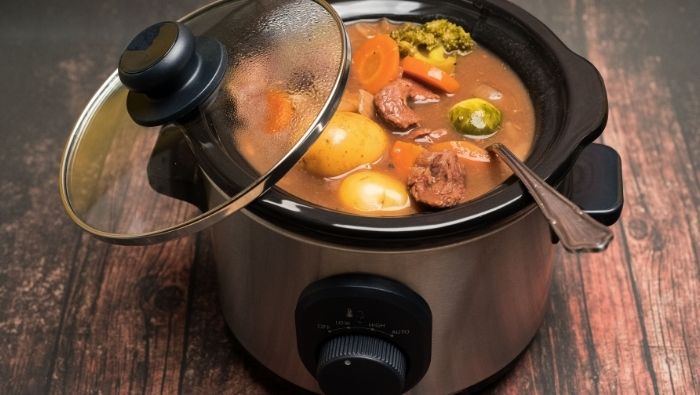
Credit: thedollarstretcher.com
Common Energy Hogs At Home
Many homes have devices that use a lot of electricity. These are often called energy hogs. Knowing what they are helps manage your electric bill. Some use power all day, even when you do not see them working. Understanding these common energy hogs can guide better energy use.
Heating And Cooling Systems
Heating and cooling systems use the most electricity in most homes. They can take up to half of your total energy use. Air conditioners and heaters run for many hours, especially in extreme weather. Old or poorly maintained systems use even more power. Proper upkeep and smart use lower their energy demand.
Water Heaters And Large Appliances
Water heaters consume a lot of electricity to keep water hot. They run day and night to maintain temperature. Large appliances like refrigerators, washers, and dryers also use high energy. Older models are less efficient and cost more to run. Choosing energy-saving appliances reduces electricity use.
Phantom Energy Loads
Phantom loads are power used by devices when switched off. Chargers, TVs, and computers still draw electricity if plugged in. This invisible use adds up and increases your bill. Unplugging devices or using smart power strips cuts phantom energy waste. Small changes make a big difference over time.

Credit: www.ankersolix.com
Conclusion
A slow cooker uses surprisingly little electricity over time. It cooks food at low heat for hours, saving energy compared to ovens. Though it stays on longer, its low wattage keeps costs down. Using a slow cooker often helps lower your electric bill.
Remember, big energy users like heating and cooling impact bills more. Choosing energy-efficient appliances overall makes the biggest difference. Slow cookers offer a simple, budget-friendly way to prepare meals without high electricity use. A smart choice for easy cooking and energy savings.