
Yes—you can use a slow cooker to keep food warm for serving, as long as the food stays at 140°F (60°C) or higher. Most slow cookers have a “Warm” setting designed to hold cooked dishes at a safe temperature without overcooking too quickly.
Preheat the slow cooker first, then add fully cooked, hot food and keep the lid on as much as possible to hold heat. Stir occasionally, add a splash of broth for foods that dry out, and use a thermometer if you’ll be holding food for more than an hour or two.

Credit: www.amazon.com
Using Slow Cooker Warm Setting
Using the warm setting on a slow cooker is a simple way to keep food ready to eat. This function maintains a low heat that prevents food from cooling down. It is useful for parties or family meals when food needs to stay warm for some time. This method keeps food safe and tasty without cooking it further.
How The Warm Setting Works
The warm setting uses low heat, usually between 145°F and 165°F (63°C to 74°C). This temperature keeps food above the danger zone where bacteria grow. It does not cook food but gently maintains heat. The slow cooker cycles on and off to keep food warm. This avoids drying out or burning the food.
Recommended Duration For Keeping Food Warm
Food should stay on warm setting for no more than 2 to 4 hours. Beyond this, quality may drop and food could become unsafe. Use the warm setting only to hold food, not to cook it. If you need to keep food warm longer, refrigerate and reheat later. Always check food temperature before serving.
Food Types Suitable For Warming
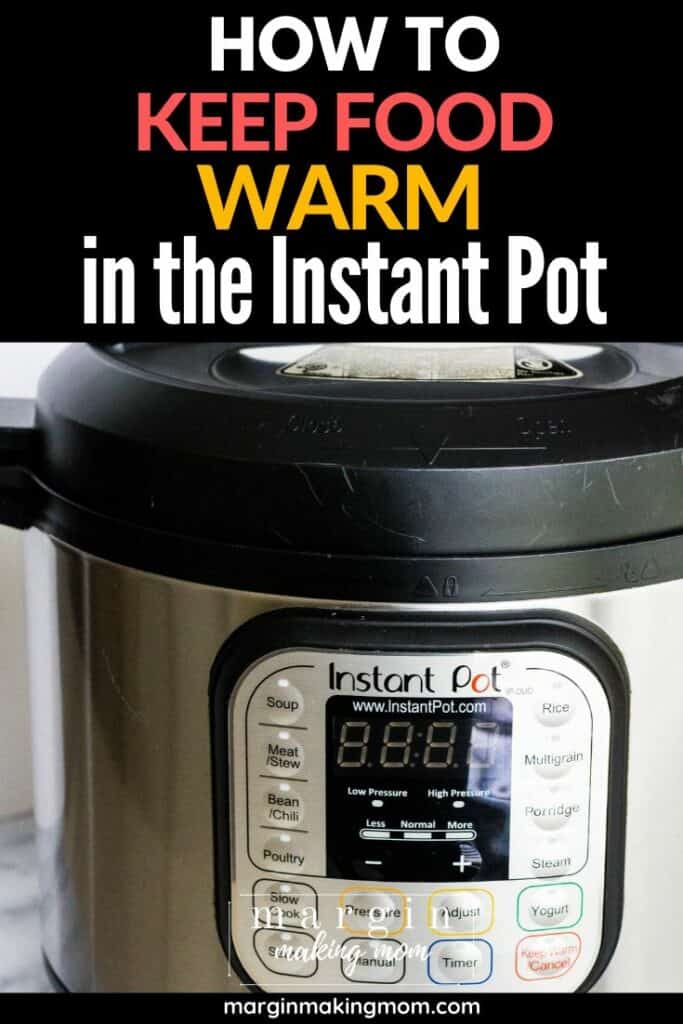
Soups, stews, chili, and sauces work well on the warm setting. Mashed potatoes and cooked vegetables also keep their texture. Avoid delicate foods like fish or pasta that can overcook easily. Creamy dishes may separate if kept warm too long. Use the slow cooker warm setting for hearty, thick foods.
Credit: marginmakingmom.com
Food Safety Guidelines
Food safety is vital when using a slow cooker to keep food warm. Proper temperature control prevents bacteria growth. Following clear guidelines helps avoid foodborne illnesses. Slow cookers can hold food safely if used correctly. Understanding temperature limits and timing is key to safe holding.
Ideal Temperature For Safe Holding
The ideal temperature to keep food warm is above 140°F (60°C). This heat level stops bacteria from multiplying. Many slow cookers have a “Warm” setting that maintains this temperature. Using a food thermometer helps check the actual temperature inside. Keep food at or above 140°F to ensure safety.
Risks Of Prolonged Warm Holding
Holding food warm too long can lower its safety. Bacteria may grow if temperature drops below 140°F. Prolonged holding also affects food quality and taste. The longer food stays warm, the higher the risk of spoilage. Avoid keeping food in the slow cooker on warm for over four hours.
Usda Recommendations
The USDA advises keeping hot foods at 140°F or higher. They recommend not leaving food in the danger zone between 40°F and 140°F for over two hours. Slow cookers can safely hold food on warm for short periods. For longer storage, refrigerate food promptly and reheat before serving.
Slow Cooker Model Variations
Slow cookers vary widely in design and features. These differences affect how well they keep food warm after cooking. Knowing your slow cooker’s model can help you use it safely and effectively. Some models have simple warm functions. Others include advanced settings that maintain food temperature more precisely. Understanding these variations can improve your food experience.
Checking Your User Manual
Your slow cooker’s manual is the best source of information. It details the warm setting’s purpose and limits. Manuals often specify how long you can keep food warm safely. They explain proper temperature ranges to avoid food spoilage. Reading the manual helps prevent misuse and maintains food quality.
Features Of Advanced Warm Settings
Some slow cookers offer advanced warm features. These models keep food at a steady, safe temperature. They may use sensors to adjust heat automatically. This prevents overcooking or drying out your food. Advanced settings provide better temperature control than basic warm modes.
Model Limitations To Consider
Not all slow cookers are designed for long warm periods. Basic models might only keep food warm briefly. Extended warming can cause food to lose texture or taste. Some slow cookers lack temperature regulation, risking unsafe food temperatures. Always consider your model’s limits before using it to keep food warm.
Alternatives To Slow Cooker Warm Mode
Keeping food warm is essential for many meals and gatherings. Slow cookers often offer a warm mode, but other methods work well too. These alternatives help keep food safe and tasty. Explore different ways to keep your dishes warm and ready to serve.
Refrigeration And Reheating Practices
Store leftovers in the refrigerator to prevent spoilage. Cool food quickly and place it in airtight containers. When ready to eat, reheat food thoroughly until it reaches a safe temperature. Use a microwave or stovetop for fast reheating. This method keeps food fresh and avoids long warm holding times.
Using Ovens At Low Temperature
Set your oven to a low temperature, around 170°F (77°C). Place covered dishes inside to keep moisture in. This keeps food warm without drying it out. Ovens distribute heat evenly, making them ideal for larger amounts. Check food regularly to avoid overcooking or burning.
Warming Trays And Buffet Equipment
Warming trays and buffet warmers are perfect for parties and events. They maintain steady heat to keep food at serving temperature. Use foil pans or heat-safe dishes on these trays. Many models allow temperature control for different foods. These tools keep meals warm without cooking them further.
Tips For Keeping Food Warm Safely
Keeping food warm safely prevents bacteria growth and preserves taste. Using a slow cooker can help, but some simple tips improve food safety and heat retention. Follow these easy steps to keep your dishes warm without risk.
Always monitor the temperature and avoid leaving food warm for too long. Proper methods keep food enjoyable and safe to eat.
Starting With Hot Food
Place hot food in the slow cooker to maintain temperature. Cold food lowers the appliance’s heat and risks unsafe temperatures. Heat food to at least 140°F before placing it on the “Warm” setting. This helps keep food out of the danger zone where bacteria grow.
Using Insulated Containers And Wraps
Transfer food into insulated containers to hold heat longer. Thermal bags and coolers with heat packs work well for transport. Wrap slow cooker lids with towels or foil to reduce heat loss. These simple items keep food warm without extra energy use.
Arranging Buffet Style For Heat Retention
Serve food in small, shallow dishes arranged closely. This reduces air exposure and keeps dishes hotter longer. Replace empty trays quickly to avoid heat escape. Use chafing dishes or warming trays alongside slow cookers to maintain steady heat.

Credit: www.amazon.com
Portable Warmth Solutions
Keeping food warm while on the move can be a challenge. Portable warmth solutions help maintain the right temperature. These methods keep meals safe and tasty without electricity. They work well for picnics, parties, or long trips. Here are some simple and effective ways to keep your food warm.
Insulated Bags With Hot Packs
Insulated bags trap heat effectively. Adding hot packs boosts warmth inside the bag. Hot packs are reusable and easy to activate. Place the food container next to the hot packs. This method keeps food warm for hours without power. Ideal for sandwiches, snacks, and small dishes.
Preheated Coolers With Towels
Coolers are not just for cold storage. Preheating a cooler with warm towels creates a cozy environment. Wrap food containers in towels before placing them inside. This slows heat loss and keeps food warm longer. Perfect for casseroles, baked dishes, and larger meals. Use clean towels and preheat just before packing.
Thermos Use For Soups And Liquids
Thermos bottles are great for hot liquids. They keep soups, stews, and sauces warm for hours. Preheat the thermos with hot water before adding the food. This increases the time your food stays hot. Make sure the lid is sealed tightly to avoid spills. Carrying a thermos is easy and mess-free.
Common Mistakes To Avoid
Using a slow cooker to keep food warm is convenient but requires care. Avoiding common mistakes helps maintain food safety and taste. Knowing how to use the warm setting properly keeps your dishes fresh and ready to serve. Below are key errors to avoid for the best slow cooker experience.
Leaving Food Too Long On Warm
Keeping food on warm for too long can spoil it. Slow cookers usually keep food safe for up to four hours. After that, bacteria may grow, causing health risks. Avoid leaving food on warm overnight or for extended periods.
Ignoring Temperature Checks
Do not assume the warm setting always keeps food at a safe temperature. Use a food thermometer to check if the food stays above 140°F (60°C). Temperatures below this level allow bacteria to multiply. Regular temperature checks ensure food safety.
Overfilling Or Underfilling The Cooker
Overfilling blocks proper heat circulation, making warming uneven. Underfilling can cause food to dry out or cook unevenly. Fill the slow cooker between half and three-quarters full for best results. This balance keeps food warm and delicious.
Conclusion
A slow cooker can keep food warm safely for a limited time. Use the “Warm” setting as the manufacturer advises. Avoid leaving food warm for many hours to prevent spoilage. Always start with hot food and keep the lid closed.
For longer events, consider reheating food or using insulated containers. This helps maintain food quality and safety. Slow cookers offer a simple way to keep meals ready and tasty. Just follow guidelines to enjoy warm food without worry.