
Yes—you can cook fish in a slow cooker, and it comes out tender and flaky when you keep the heat gentle and the cook time short. Most fish fillets finish in 30–60 minutes on LOW (or 15–30 minutes on HIGH), depending on thickness, and are done when they reach 145°F (63°C) and flake easily.
Use a light broth, lemon, herbs, and butter to keep the fish moist, and avoid stirring so the fillets don’t break apart. Add delicate fish near the end of a slow-cooker meal, and lift it out carefully with a wide spatula for clean servings.
Credit: smartslowcooker.com
Cooking Fish In A Slow Cooker
Cooking fish in a slow cooker offers a gentle way to prepare tender, flavorful meals. The slow, even heat helps fish stay moist and absorb spices well. It suits busy days, letting you start your meal early and enjoy it later. Understanding the right fish types, preparation steps, and cooking times improves your results.
Suitable Fish Types
Choose firm, thick fish for slow cooking. Salmon, cod, halibut, and tilapia work well. These types hold their shape and texture during slow cooking. Avoid delicate fish like sole or flounder as they may fall apart. Oily fish like mackerel and trout add rich flavor to slow cooker recipes.
Preparation Tips
Pat fish dry before cooking to remove excess moisture. Cut fish into even pieces for uniform cooking. Layer vegetables or sauces under the fish to prevent sticking. Season fish simply with salt, pepper, and herbs. Avoid overloading the cooker to allow heat to circulate evenly.
Recommended Cooking Times
Cook fish on low for 1 to 2 hours to keep it tender. High heat may cook fish too fast and dry it out. Check fish at the 1-hour mark to prevent overcooking. Thin fillets need less time, while thick cuts require a bit longer. Use a meat thermometer; fish is done at 145°F (63°C).
Slow Cooker Fish Recipes
Slow cookers offer a simple way to prepare fish dishes with rich flavors and tender textures. Slow cooker fish recipes blend spices, herbs, and liquids to create delicious meals. These recipes require less effort and allow the fish to cook gently, preserving moisture and taste.
Try these easy slow cooker fish recipes to enjoy healthy and tasty dinners. Each dish brings unique flavors from different cuisines, perfect for variety in your meal plan.
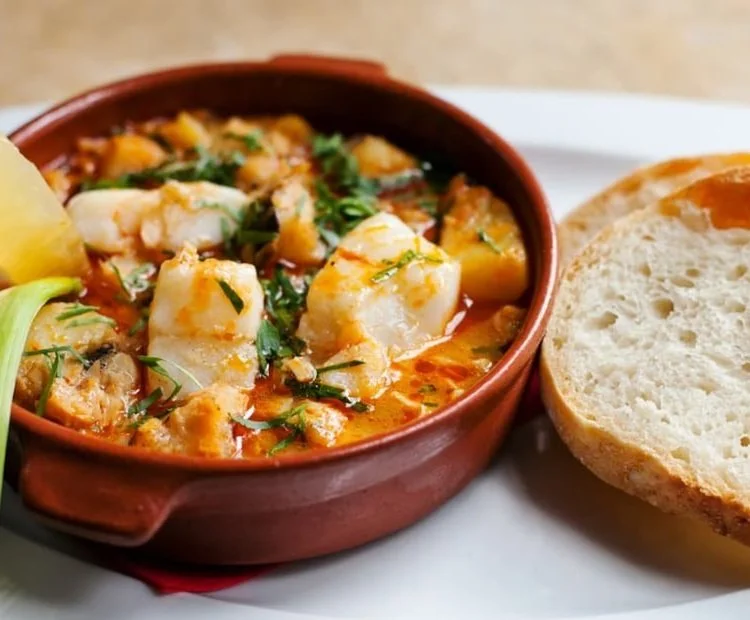
Mediterranean Fish Stew
This stew combines fresh fish with tomatoes, bell peppers, and garlic. Add Italian seasoning and chicken broth for a savory base. Cook on low for a few hours until the fish is tender. Serve with crusty bread to soak up the flavorful sauce.
Teriyaki Tilapia
Tilapia cooks well in a slow cooker with a sweet and tangy teriyaki sauce. Mix soy sauce, ginger, garlic, and a touch of honey. Add the fish fillets and let them simmer gently. The sauce thickens slightly, coating the fish with rich flavor.
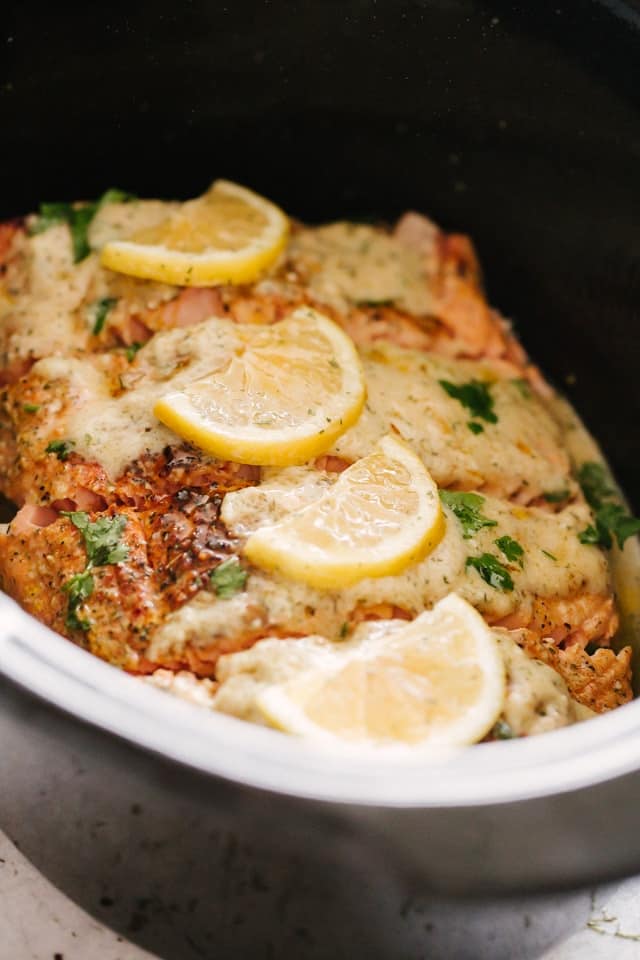
Beer Lemon Salmon
Salmon pairs nicely with beer and lemon in the slow cooker. Place salmon fillets with lemon slices and a splash of beer. Season with black pepper and fennel for a subtle kick. Slow cooking keeps the salmon moist and infuses it with bright, fresh flavors.
Common Issues With Fish In Slow Cookers
Cooking fish in a slow cooker can be tricky. Fish is delicate and requires careful timing. Several common issues arise when using a slow cooker for fish dishes. Understanding these problems helps to avoid disappointing meals. Here are the main challenges to watch out for.
Overcooking Risks
Fish cooks quickly and can easily become overcooked in a slow cooker. The low, steady heat keeps cooking fish even after it is done. Overcooked fish turns dry and tough. It loses its natural moisture and becomes unpleasant to eat. Timing is crucial to prevent overcooking in slow cookers.
Texture Problems
Slow cookers often produce a mushy texture with fish. The constant heat breaks down the fish’s delicate fibers too much. This results in a soft, sometimes falling-apart texture. Firm fish varieties may hold up better, but many still lose their ideal texture. Achieving the perfect texture in a slow cooker is a challenge.
Flavor Loss
Slow cooking can dilute fish flavors. Water or broth used in the cooker may wash away natural taste. Long cooking times cause subtle fish flavors to fade. Spices and herbs also blend and weaken over hours. The final dish may taste bland compared to other cooking methods.
Credit: diethood.com
Foods To Avoid In Slow Cookers
Slow cookers are great for many recipes but not all foods suit their long, slow cooking style. Certain ingredients lose texture or flavor. Others may not cook safely or evenly. Knowing which foods to avoid helps you get the best results from your slow cooker.
Lean Meats And Poultry
Lean cuts like chicken breasts, pork loin, and tender steaks dry out quickly. Slow cookers break down tough meat fibers well, but tender meats become tough or stringy. Avoid cooking these meats for long periods to keep them juicy and tender. Always thaw frozen meat before adding it to the slow cooker. Cooking frozen meat can keep it too long in unsafe temperatures.
Delicate Vegetables
Vegetables like spinach, broccoli, and zucchini cook very fast and turn mushy in slow cookers. Their texture disappears, and they lose color and flavor. Add these vegetables near the end of cooking to keep some crunch and freshness. Root vegetables like carrots and potatoes work well since they need longer cooking times.
Dairy And Alcohol
Dairy products such as milk, cream, and cheese can curdle or separate with slow heat. Add these ingredients at the end of cooking to avoid texture problems. Alcohol evaporates slowly in slow cookers, leaving a strong taste or bitterness. Use small amounts or cook alcohol separately before adding it to the dish.
Tips For Best Results
Cooking fish in a slow cooker can be simple and tasty with the right approach. Certain techniques help keep the fish tender and flavorful. Small adjustments make a big difference in the final dish. Follow these tips to improve your slow cooker fish meals.
Adding Dairy And Herbs Last
Dairy ingredients like cream or cheese can separate if cooked too long. Add them in the last 15 minutes of cooking. Fresh herbs lose flavor when cooked for hours. Stir them in just before serving. This keeps your dish creamy and aromatic.
Pre-cooking Beans And Root Vegetables
Beans and root vegetables take longer to cook than fish. Cook them separately or start them early in the slow cooker. This prevents undercooked beans and overcooked fish. Proper timing ensures all ingredients are cooked perfectly.
Using Frozen Fish Properly
Do not add frozen fish directly to the slow cooker. Thaw it first to avoid uneven cooking. Frozen fish can release extra water, making the dish watery. Pat the fish dry before adding it to keep flavors strong.

Credit: www.youtube.com
Conclusion
Cooking fish in a slow cooker works well with the right approach. Keep cooking times short to avoid mushy texture. Choose thicker fish cuts for better results. Add flavors like herbs and broth for taste. Avoid overcooking to keep fish tender and moist.
Slow cookers are best for gentle, even heat. Experiment with recipes but watch cooking times closely. Enjoy easy, flavorful fish dishes with minimal effort. Slow cooking fish can save time and reduce stress. Try it today and taste the difference yourself.