
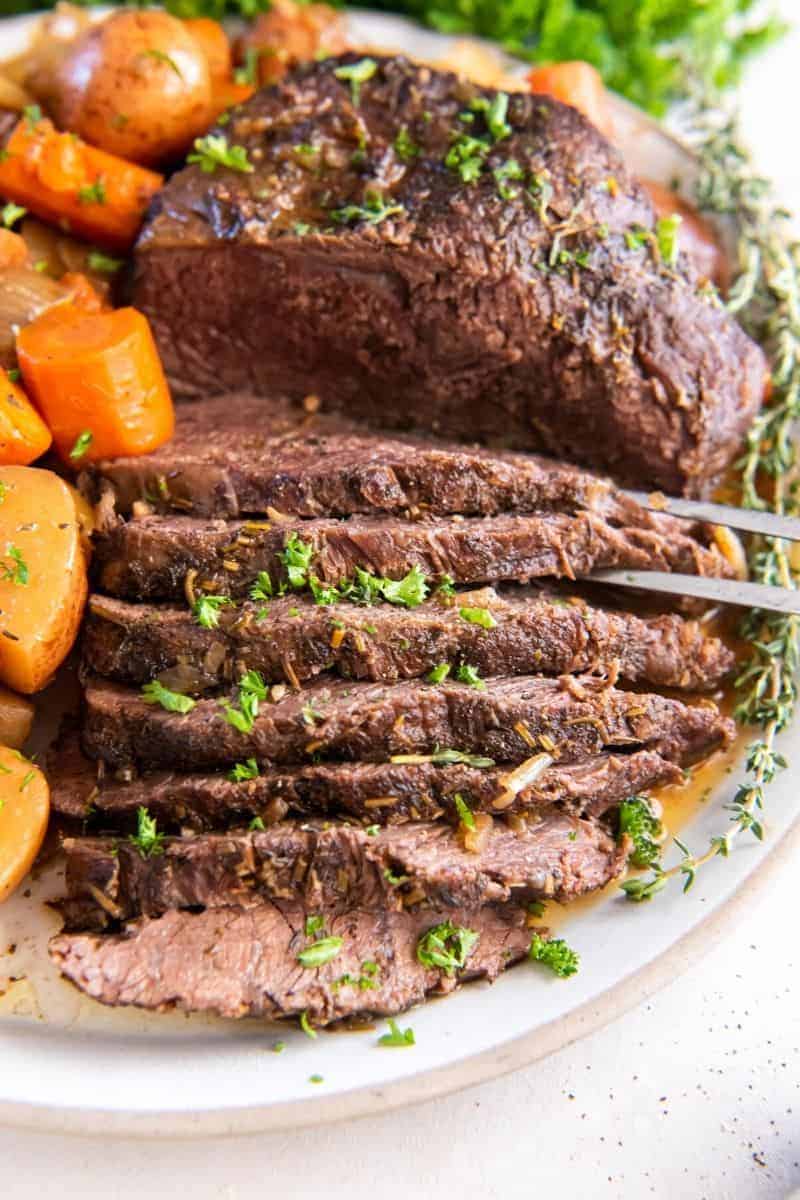
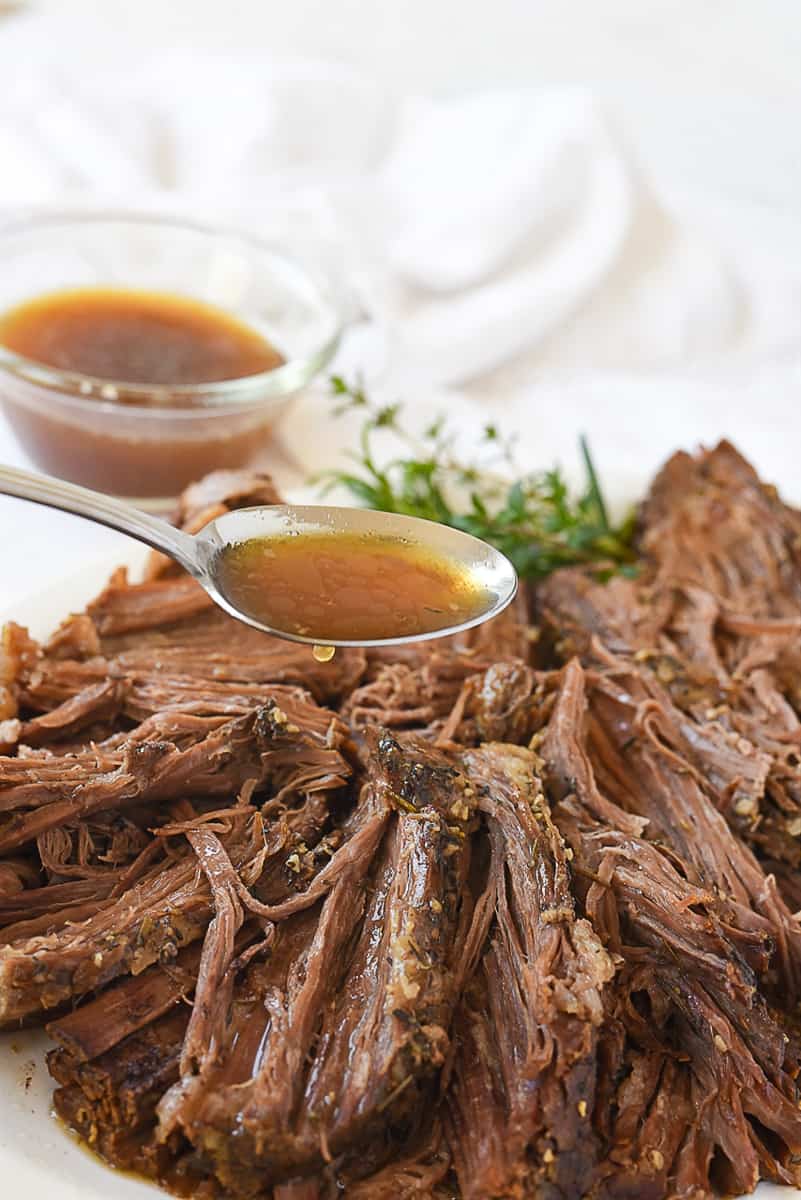
Yes—you can cook a tri-tip in a slow cooker, and it comes out tender and easy to slice when you use enough liquid and give it time. Plan on 6–8 hours on LOW or 3–4 hours on HIGH, cooking until the thickest part reaches 145°F (63°C) for sliceable tri-tip or 190–205°F (88–96°C) for shreddable texture.
Sear the tri-tip first for deeper flavor, then slow-cook with broth, onions, and seasonings so it stays juicy. Let it rest 10 minutes before slicing against the grain, and save the cooking juices for a quick gravy or dipping sauce.
Credit: www.everydayfamilycooking.com
Slow Cooker Basics
Slow cookers are simple kitchen tools that cook food at low temperatures. They use gentle heat over hours to make meals tender and flavorful.
This method saves time and effort. You can prepare ingredients, set the cooker, and let it do the work while you focus on other tasks.
How Slow Cookers Work
Slow cookers use low, steady heat inside a ceramic pot. The lid traps steam, which helps cook food evenly. This process breaks down tough fibers in meat and softens vegetables.
Temperatures usually stay between 170°F and 280°F, allowing food to cook safely over several hours.
Best Meats For Slow Cooking
Slow cookers work best with tougher, cheaper cuts of meat. These include chuck roast, brisket, pork shoulder, and tri-tip. The long cooking time makes these cuts tender and juicy.
Lean meats can dry out or become tough, so choose fattier cuts for slow cooking.
Foods To Avoid In Slow Cookers
Delicate foods like fish, seafood, and soft vegetables do not hold up well in slow cookers. They can turn mushy or overcook quickly.
Dairy products may curdle, and pasta or rice can become too soft or sticky. Always thaw frozen meats before cooking to ensure even heat.
Tri-tip Characteristics
The tri-tip cut has become popular for its unique shape and rich flavor. Understanding its traits helps decide the best cooking method. Tri-tip can be cooked in various ways, including slow cooking. Knowing its characteristics ensures a tasty and tender result.
What Is Tri-tip?
Tri-tip is a triangular cut of beef from the bottom sirloin. It weighs about two to three pounds. This cut is lean but has enough fat to keep it juicy. It is often sold as a whole roast or steaks. Tri-tip is common in American barbecue and grilling.
Texture And Flavor Profile
Tri-tip has a firm texture with a fine grain. It is tender when cooked correctly. The meat has a rich, beefy flavor that many enjoy. The fat marbling adds juiciness and depth to the taste. It is not as tough as other sirloin cuts.
Why Tri-tip Is Unique
Its triangular shape sets tri-tip apart from other roasts. It cooks evenly due to its size and shape. The cut is versatile for grilling, roasting, or slow cooking. It absorbs marinades and rubs well, enhancing its flavor. This uniqueness makes tri-tip a favorite for many cooks.
Preparing Tri-tip For Slow Cooking
Preparing tri-tip for slow cooking sets the stage for a tender, flavorful meal. This cut of beef benefits from careful selection, seasoning, and a quick sear before it meets the slow cooker. These steps help enhance its taste and texture, making your dish delicious and satisfying.
Choosing The Right Cut
Pick a tri-tip roast with good marbling. Fat within the meat adds flavor and keeps it moist during slow cooking. Avoid cuts that look dry or have too little fat. A fresh, well-marbled tri-tip yields the best results in a slow cooker.
Seasoning And Marinating Tips
Use simple seasonings like salt, pepper, garlic powder, and paprika. These bring out the natural beef flavor. Marinate the tri-tip for a few hours or overnight for deeper taste. A basic marinade with olive oil, vinegar, and herbs works well. Pat the meat dry before cooking to avoid steaming.
Searing Before Slow Cooking
Sear the tri-tip on all sides in a hot pan. This step locks in juices and creates a tasty crust. Use a bit of oil and high heat for 2 to 3 minutes per side. Searing adds color and flavor that slow cooking alone cannot achieve. After searing, place the meat in the slow cooker with your choice of vegetables or broth.
Credit: www.yourhomebasedmom.com
Slow Cooker Tri-tip Recipes
Slow cooker tri-tip recipes bring convenience and rich flavor together. The slow cooker tenderizes the meat slowly, making it juicy and soft. These recipes suit busy days and small gatherings perfectly. Each recipe offers a unique taste experience with minimal effort.
Try different methods to enjoy tri-tip in your slow cooker. From simple roasts to meals with vegetables and flavorful sauces, there is a recipe for every palate. Below are some popular slow cooker tri-tip recipes to inspire your next meal.
Classic Tri-tip Roast
Season the tri-tip with salt, pepper, and garlic powder. Sear the meat in a hot pan for a golden crust. Place the roast in the slow cooker. Cook on low for 6 to 8 hours. The slow heat makes the meat tender and full of flavor. Slice thinly for the best texture.
Tri-tip With Vegetables
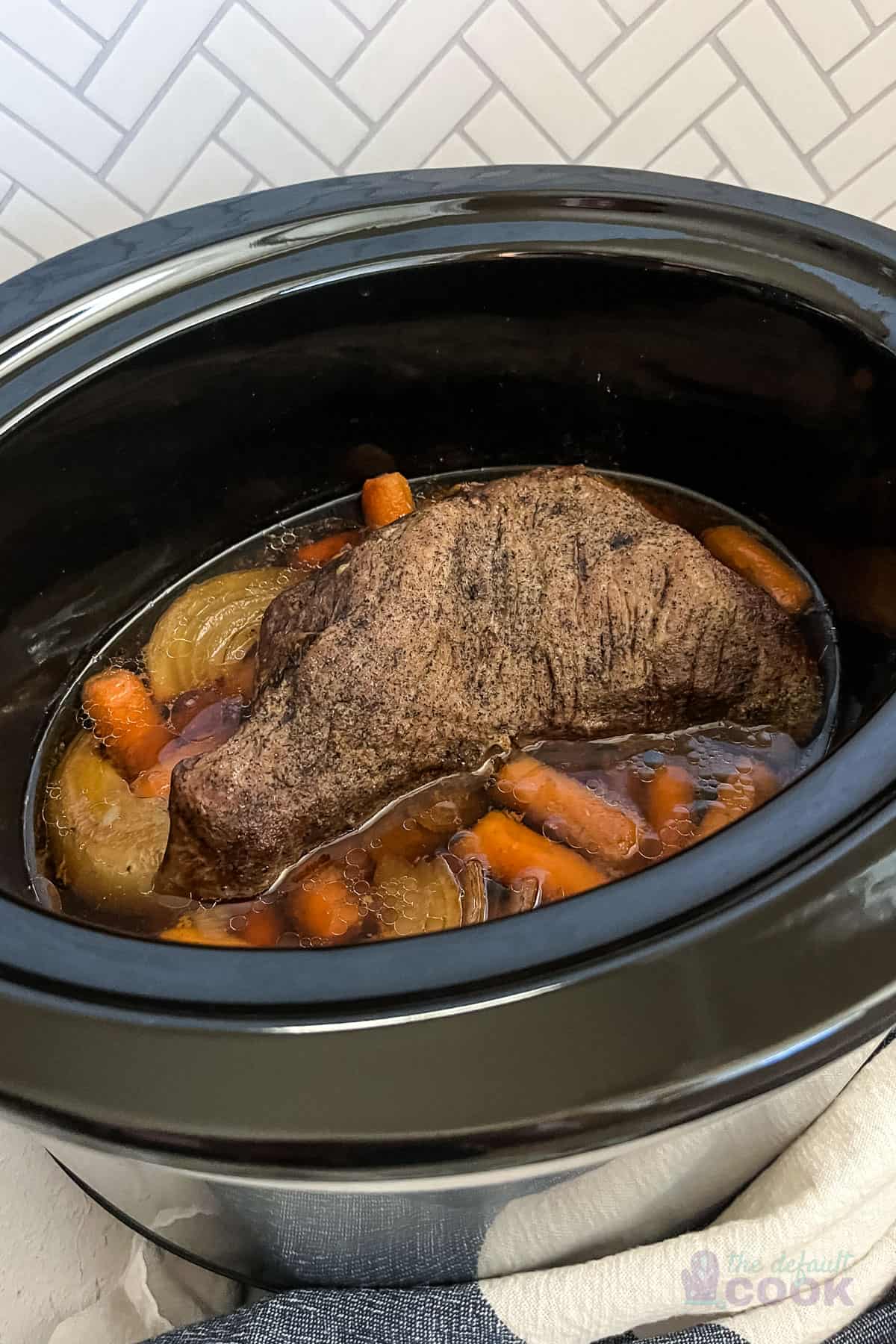
Add root vegetables like carrots, potatoes, and onions to the slow cooker. Place the tri-tip on top of the vegetables. The juices from the meat flavor the vegetables during cooking. Cook on low for 7 to 9 hours. This creates a complete meal in one pot. The vegetables become soft and delicious.
Sauces And Broths To Use
Use beef broth for a rich, savory base. Add Worcestershire sauce for depth and a slight tang. Tomato-based sauces give a bright, acidic flavor. Mushroom broth adds earthiness. Pour the sauce or broth over the tri-tip before cooking. This keeps the meat moist and enhances taste.
Cooking Process
Cooking a tri-tip in a slow cooker is a simple and effective way to enjoy tender, flavorful meat. The slow cooker uses low heat over several hours to break down the meat fibers. This process makes the tri-tip juicy and easy to slice. Understanding the right settings and timing is key to perfect results.
Setting The Slow Cooker Temperature
Choose between low and high heat settings on your slow cooker. Low heat is ideal for slow, even cooking. It helps keep the meat moist and tender. High heat cooks faster but may dry out the tri-tip. For best taste, set the slow cooker to low.
Recommended Cooking Times
Cooking time depends on the tri-tip size. For a 2 to 3-pound roast, cook on low for 6 to 8 hours. Larger cuts may need up to 10 hours. Avoid opening the lid often, as heat escapes and extends cooking time. Use a timer for consistent results.
Checking Doneness
Use a meat thermometer to check the tri-tip’s internal temperature. Aim for 135°F for medium-rare and 145°F for medium. If you do not have a thermometer, cut into the thickest part to check color. The meat should be pink but not raw or too red.
Common Mistakes To Avoid
Cooking a tri-tip in a slow cooker can deliver tender, flavorful results. Avoiding common mistakes helps ensure your roast turns out perfectly every time. Many cooks make simple errors that affect texture and taste. Here are key mistakes to watch out for.
Overcooking And Dryness
Slow cookers work low and slow, which can dry out tri-tip. Overcooking breaks down meat fibers too much. The roast loses juices and becomes tough. Set the cooker to low heat and check the meat early. Use a meat thermometer to avoid overcooking.
Adding Delicate Ingredients Too Early
Vegetables like spinach or broccoli cook fast and get mushy in slow cookers. Adding them at the start ruins their texture and flavor. Add delicate ingredients in the last 30 minutes of cooking. This keeps them fresh and tasty while the tri-tip cooks thoroughly.
Using Frozen Meat
Placing frozen tri-tip directly in the slow cooker is risky. It increases cooking time and may keep the meat unsafe. Thaw the tri-tip fully before cooking. This ensures even cooking and avoids bacterial growth. Always start with fresh or thawed meat for best results.
Serving Suggestions
Serving a slow-cooked tri-tip is a delight. The meat becomes tender and flavorful. Proper serving enhances the meal’s enjoyment. Here are some tips on serving your tri-tip slow cooker roast.
Resting The Meat
Let the tri-tip rest for 10 minutes after cooking. Resting lets juices settle inside the meat. This keeps it moist and tender. Slice the meat against the grain for best texture. Resting is key to a juicy bite.
Side Dishes That Pair Well
Roasted vegetables bring color and flavor to your plate. Mashed potatoes or creamy polenta add comfort. A fresh green salad provides a light contrast. Cornbread or dinner rolls work well too. These sides balance the rich taste of tri-tip.
Using Leftovers Creatively
Leftover tri-tip makes tasty sandwiches or wraps. Chop it for tacos or burritos with salsa. Add it to salads for a protein boost. Mix with pasta or rice for quick meals. Leftovers stay delicious and versatile for days.
Credit: thedefaultcook.com
Conclusion
Cooking tri-tip in a slow cooker works well for tender, flavorful meat. Slow cooking breaks down the fibers, making it juicy and soft. Remember to season the roast well and add some liquid for best results. Avoid overcooking to keep the texture pleasant.
This method suits busy days and simple meals. Try it for a hands-off, tasty tri-tip dinner.