
Yes—you can cook “hard-boiled” eggs in a slow cooker, and they come out easy to peel with a hands-off method. Most eggs take 2½–3 hours on LOW or 1½–2 hours on HIGH, depending on your slow cooker and how firm you like the yolk.
Place eggs in a single layer, cover with water, and keep the lid on while they cook. Move them straight into an ice bath for 10 minutes to stop the heat and make peeling smoother, then refrigerate for quick snacks and salads.
Boiling Eggs In Slow Cookers
Boiling eggs in a slow cooker might sound unusual, but it works well. Slow cookers use gentle heat to cook food evenly over time. This method can give you perfectly cooked eggs without much effort. Slow cookers are great for hands-off cooking. You just set the time and temperature, then wait.
Many people wonder how eggs cook in a slow cooker compared to traditional boiling. The slow cooker heats water or steam at a lower temperature than a stove. This slow heating process helps prevent overcooking. It also makes peeling eggs easier. Let’s explore how slow cookers work with eggs and the best settings to use.
How Slow Cookers Work With Eggs
Slow cookers heat food by surrounding it with gentle, steady heat. This is different from boiling water on a stove, which is very hot and fast. When cooking eggs in a slow cooker, the water temperature stays below boiling point. The eggs cook slowly and evenly inside their shells. This slow heat helps avoid cracks and tough whites. Eggs absorb heat gradually, which makes the texture smooth and creamy.
The slow cooker’s lid traps steam, creating a moist environment. This steam helps cook the eggs without drying them out. The consistent heat prevents sudden temperature changes that can cause eggshells to break. After cooking, placing eggs in cold water stops the cooking process. This step is important to avoid overcooking and makes peeling easier.
Ideal Settings For Cooking Eggs
Set your slow cooker to low heat for best results. Cooking eggs on low prevents overheating and rubbery texture. Use enough water to cover the eggs completely. Usually, one to two cups of water works well depending on your slow cooker size. Cooking time varies from 2 to 3 hours depending on egg size and cooker model.
Check eggs after two hours to avoid overcooking. If you want soft-boiled eggs, reduce the time to about 1.5 hours. For hard-boiled eggs, 2.5 hours is usually enough. Always place eggs in the water before turning on the cooker. This helps them heat evenly from the start.
Once done, move eggs to an ice bath for 10 minutes. This cools them quickly and makes peeling easier. Slow cooker eggs may not have the same intense boil but the result is just as good. This method is perfect for busy mornings or meal prep days.
Step-by-step Cooking Guide
Cooking eggs in a slow cooker is simple and hands-off. This step-by-step guide helps you make perfect eggs every time. Follow each step carefully for best results.
Preparing Eggs For The Slow Cooker
Start with clean, room-temperature eggs. Avoid cracked or damaged eggs to prevent leaks. Place eggs in a single layer at the bottom of the slow cooker. Do not stack eggs on top of each other. Add enough water to cover the eggs completely. Use filtered or cold water for better taste. This setup helps eggs cook evenly and prevents cracking.
Cooking Time And Temperature Tips
Set the slow cooker to low heat. Cooking eggs on low prevents overcooking and rubbery texture. Cook eggs for 2 to 3 hours depending on your slow cooker model. Check eggs after 2 hours to avoid overcooking. Larger slow cookers may need slightly more time. Avoid opening the lid during cooking to keep heat steady.
Using An Ice Bath To Stop Cooking
Prepare an ice bath while eggs cook. Fill a large bowl with ice and cold water. Once cooking ends, transfer eggs immediately into the ice bath. This stops the cooking process quickly. Let eggs sit in the ice bath for 10 to 15 minutes. Cooling eggs makes peeling easier and prevents overcooked yolks.
Benefits Of Slow Cooker Eggs
Cooking eggs in a slow cooker offers many advantages. It requires less attention and saves time in the kitchen. You can prepare a large batch of eggs at once. This method uses steady, low heat that cooks eggs evenly. Slow cooker eggs stay warm until you are ready to eat. The process is simple and nearly hands-free. It also reduces the risk of overcooking and burnt eggs. This technique is perfect for busy mornings or meal prep.
Easy Peeling Techniques
Slow cooker eggs peel much easier than boiled eggs from the stove. The gentle cooking softens the shell membrane. To peel, crack the shell and roll the egg gently. The shell separates smoothly without sticking. Placing eggs in cold water after cooking helps too. This stops the cooking and cools the eggs quickly. Easy peeling saves time and reduces frustration.
Consistent Results Every Time
The slow cooker delivers consistent results with every batch. Eggs cook evenly on low heat without hot spots. You get the same perfect texture from the first egg to the last. No more guessing or checking the stove timer. The slow cooker creates a controlled environment for eggs. This makes it simple to plan meals ahead. Perfect hard-cooked eggs are ready whenever you want.

Credit: www.upstateramblings.com
Common Mistakes To Avoid
Boiling eggs in a slow cooker is simple but requires care. Avoiding common mistakes ensures perfect results every time. Many beginners make errors that affect texture and shell quality. Learn what to watch out for to enjoy flawless slow cooker eggs.
Overcooking And Dryness
Overcooking eggs in a slow cooker is easy. The slow heat keeps cooking even after you turn it off. Eggs become rubbery and dry if left too long. Use a timer and remove eggs promptly. Cooling eggs in ice water stops cooking fast. This keeps the yolk creamy and the white tender.
Avoiding Cracked Shells
Cracked shells spoil the egg’s appearance and can cause leaks. Sudden temperature changes cause cracks. Place eggs in the slow cooker gently. Avoid stacking eggs directly on the bottom. Use a small rack or layer of vegetables to cushion them. Adding cold water slowly helps prevent cracking. Handle eggs carefully after cooking to keep shells intact.
Other Slow Cooker Egg Recipes
Slow cookers offer more than just boiled eggs. They make cooking eggs easy and hands-free. You can prepare various egg recipes with minimal effort. This section explores other slow cooker egg dishes that save time and taste great.
No-peel Hard Boiled Eggs
Slow cookers cook eggs gently, making peeling easier. The shells loosen naturally during cooking. Place eggs directly in the slow cooker with water. Cook on low for about 15 to 20 minutes. Then, transfer eggs to an ice bath. The cold water stops cooking instantly. After cooling, the shells slide off with little force. This method reduces mess and frustration. It works well for meal prep and snacks.
Egg-based Breakfasts And More
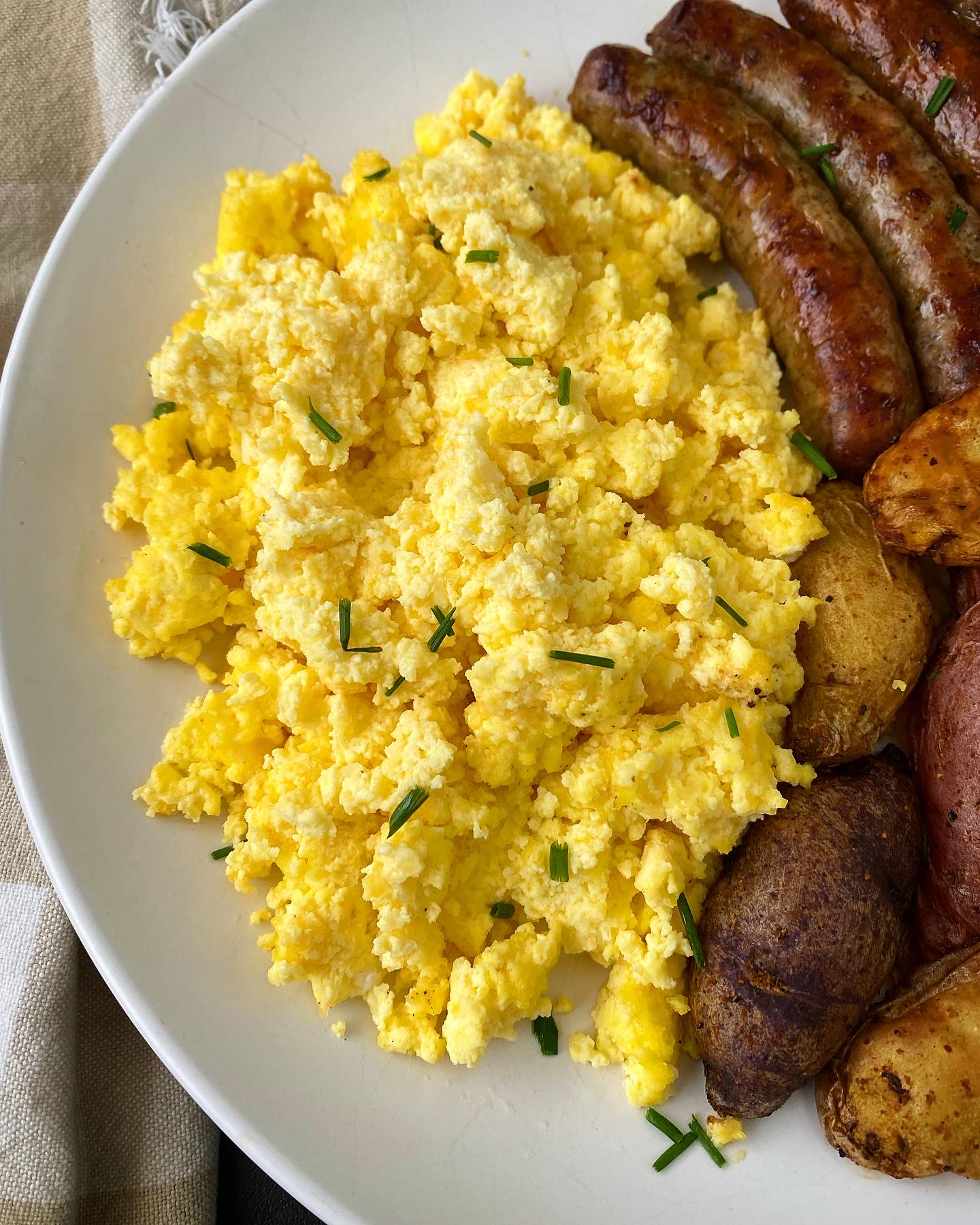
Slow cookers also make egg casseroles and frittatas. Combine eggs, cheese, vegetables, and meats in the pot. Set on low and cook for a few hours. The slow heat cooks eggs evenly without drying them. You get fluffy, flavorful breakfasts ready when you wake up. Try adding spinach, mushrooms, or ham for variety. Slow cooker egg dishes keep well and reheat nicely. Perfect for busy mornings or weekend brunches.
Credit: fitslowcookerqueen.com
Safety Tips For Slow Cooker Eggs
Cooking eggs in a slow cooker is simple and convenient. Safety is key to avoid foodborne illness. Proper handling and cooking ensure tasty and safe eggs every time.
Follow these safety tips to keep your eggs safe while using a slow cooker. This helps you enjoy your meal without worry.
Temperature Control
Slow cookers work at low temperatures, usually between 170°F and 280°F. Eggs must reach at least 160°F inside to be safe to eat. Use a food thermometer to check the temperature. Avoid cooking on very low settings too long. This prevents bacteria growth and keeps eggs safe.
Do not open the lid often. Each time you open it, heat escapes and cooking time increases. Keep the lid closed to maintain steady temperature.
Food Safety Guidelines
Always start with fresh eggs. Check the expiration date before cooking. Wash your hands before handling eggs. Clean the slow cooker insert before use. Place eggs directly in the slow cooker without cracks.
After cooking, cool eggs quickly in cold water. This stops cooking and makes peeling easier. Store cooked eggs in the refrigerator within two hours. Eat them within one week for best safety.
Comparing Slow Cooker To Traditional Boiling
Comparing the slow cooker method to traditional boiling reveals clear differences. Both methods cook eggs fully, but the process and results vary. Understanding these differences helps pick the best option for your kitchen needs.
Time Efficiency
Traditional boiling takes about 10 to 12 minutes once water boils. It is quick and direct. Slow cooker eggs need more time, usually 2 to 3 hours on low heat. The slow cooker heats gradually, so it takes longer. This method works well if you want to cook eggs without watching the stove. It saves active cooking time but uses more total time.
Texture Differences
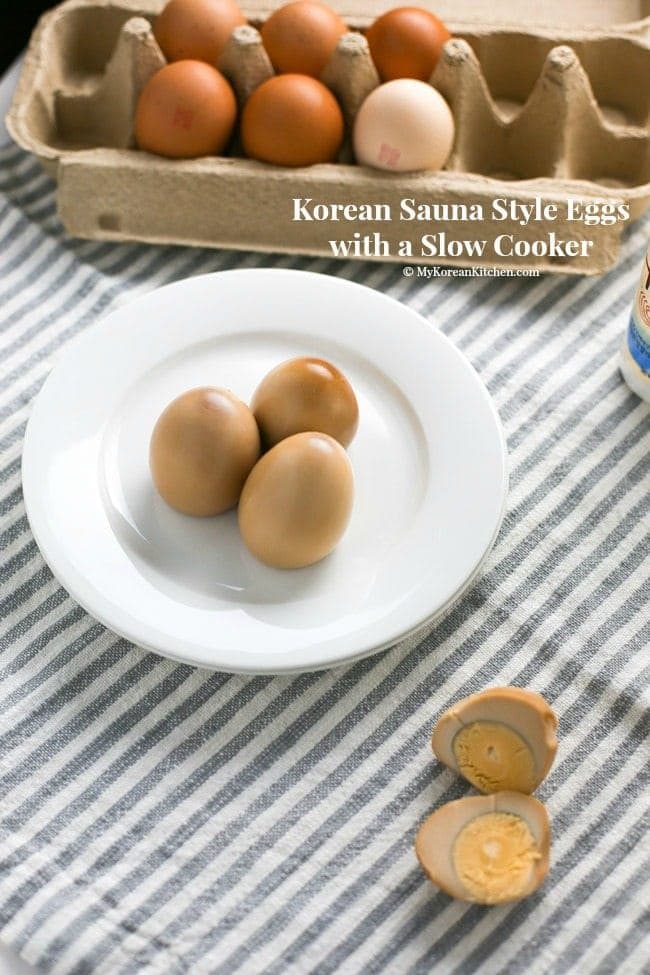
Boiled eggs from the stove have a firm white and a tender yolk. The high heat cooks eggs quickly, giving a classic texture. Slow cooker eggs tend to have softer whites and creamier yolks. The gentle heat cooks eggs evenly and slowly. Some people prefer the slow cooker eggs for their smooth, less rubbery feel. Texture depends on cooking time and temperature in both methods.
Credit: mykoreankitchen.com
Conclusion
Boiling eggs in a slow cooker is possible and simple. The slow cooker uses low heat to cook eggs evenly. This method takes longer than stovetop boiling but requires less attention. After cooking, place eggs in cold water to stop cooking and make peeling easier.
Slow cooker eggs can be perfect for meal prep or busy days. Just remember to watch the cooking time to avoid overcooked eggs. Try this easy way to cook eggs and enjoy a hands-off kitchen experience.