
Food is an integral part of our lives. And since cooking is one major way we prepare our food, then it’s only right that we take it seriously.
Many of us are used to cooking food in a conventional way. Cooking on a stove pot or hot plate, in an oven and even microwave are all very popular that we seem to be forgetting one other cooking method that makes food taste awesomely delicious. I’m talking about slow cooking.
Recently, I have been writing on slow cooking. So, today, I shall be looking at how healthy it is. I shall also cover the major questions I get about slow cooking in this article.
How Healthy is Slow Cooking?
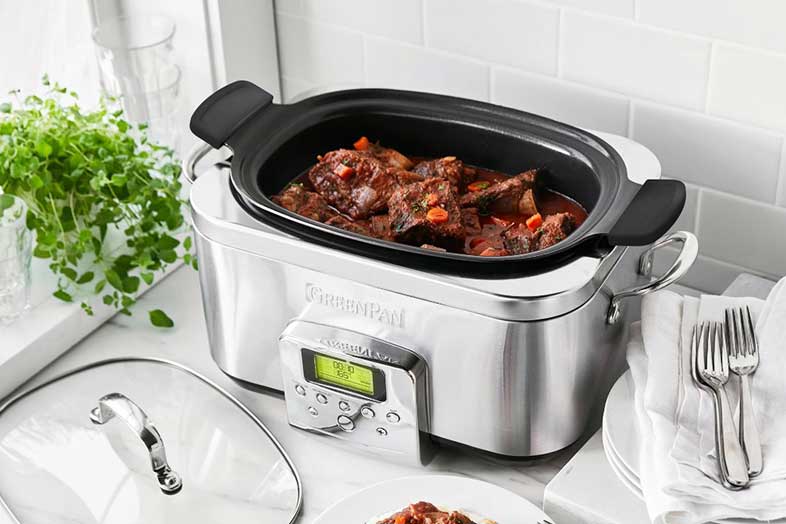
The popular belief is that cooking food for too long, especially vegetables, can strip it of its nutrients. Thankfully, research has shown that this isn’t so.
In fact, some foods, like canned tomatoes when cooked (whether in a slow cooker or not) will release lycopene, which is an important antioxidant that helps in preventing cancer, improving mood, and protecting the heart. You will not get the same effect from eating fresh tomatoes. And we all know that canned tomatoes are a must in most stews and soup recipes in a slow cooker.
Does Slow Cooking Destroy Nutrients?
Still on whether slow cooking destroys nutrients, the answer is no, it doesn’t. You will be surprised to learn that slow-cooking your food may actually help in preserving the nutrients.
When you cook your food on high heat, the rapid hotness strips your food of its nutrients.
Imagine the many times you have actually lost food nutrients because you cooked your meat so quickly on high heat.
With slow cooking, meals are cooked on low heat unlike other methods of cooking that make use of high heat and thereby reduce the nutrient contents of the food. Also, even if nutrients are lost during slow cooking, you can still recapture it in the juices of the meal.
Thanks to slow cookers because now, you can make your meals with ease at acceptable and safe temperature without having to worry about nutrient loss. As long as you have a good quality slow cooker or crock-pot, you can set your food to cook at low, medium or high temperatures depending on the recipe and still end up with a healthy, flavorful and delicious meal.
Newer versions of crock pots have features that can be programmed to ensure that your food remains cooked but fresh. That way, you will have a hot meal for you and your family even if you dish out food from it at different intervals.
Is Slow Cooked Chicken Healthy?
There is something called advanced glycation end products (also known as AGEs), which is a cell-damaging compound that is produced when meats are cooked on high heat like broiling and grilling.
Those charred lines on grilled meats have been found to expose one to inflammation, heart diseases, diabetes and even cancer. With slow cooking, not only does it reduce AGEs by 50 percent, but it also increases nutrient bioavailability in plant based foods.
Is a Slow Cooking Vegetable Healthy?
Some vegetable nutrients are best absorbed in the body when cooked than eaten raw or fresh. One would think that cooking vegetables in a slow cooker will destroy its nutrients. On the contrary, slow cooking water-soluble vegetables that have vitamin C and B can maximize its benefits.
According to Charlotte Morrison, a public health nutritionist in Queensland, Australia, boiling vegetables for a long period of time can destroy some of the nutrients. But this is different with slow cooking vegetables because the minerals and vitamins will leach into the sauces and juices of the stew and soups in the slow cooker.
Slow cooking vegetable is better than steaming or boiling them, especially when cooked on high heat. Cooking food in a slow cooker, like vegetable, will not allow any nutrient to escape because of the tight lid.
There are some tips that will help you ensure that you are not overcooking your vegetables when slow-cooking them. Here they are:
- Cook on low settings. High heat can destroy nutrients in some vegetables, especially leafy greens.
- Root vegetables like potatoes and carrots need to be added at the beginning of the cooking. This will allow it to cook through. If cooking these vegetables along meat or chicken, cut the vegetables in large chunks.
- Add your cabbages, green beans, peppers and tomatoes 3 hours to the end of your cooking.
- Add your cauliflower, broccoli, herbs, and brussels sprouts 30 minutes to the end of your cooking.
- Soft green vegetables like baby spinach, bokchoi, snow peas and other canned vegetables should be added towards the last few minutes to avoid overcooking them.
Vegetable cooking time in a slow cooker at a glance
| Type of Vegetables | Cook Time |
| Root vegetables like potatoes and carrots | Beginning of the cooking |
| Cabbages, green beans, peppers and tomatoes | 3 hours to the end of the cooking |
| Cauliflower, broccoli, herbs, and brussels sprouts | 30 minutes to the end of the cooking |
| Baby spinach, bokchoi, snow peas and canned vegetables | Last few minutes to the end of the cooking |
Conclusion
If you have been worried that slow cooking your food will destroy its nutrients, you now know better. Hopefully I have been able to answer most of the questions you have regarding slow cooking. Let me know if I missed any question in the comment section.