
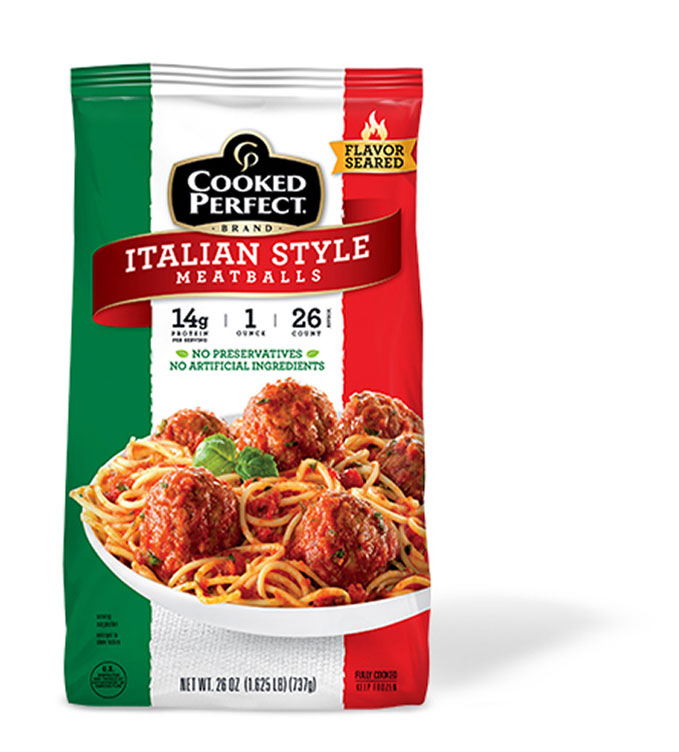
Frozen meatballs keep well up to 4 days in the refrigerator after cooking when stored in an airtight container. For longer storage, cooked meatballs hold their best quality 2–3 months in the freezer, especially if frozen with a little sauce or broth.
Cool them within two hours, then portion into meal-size containers to avoid repeated reheating. Reheat until steaming hot (about 165°F / 74°C), and keep an eye out for off smells, dryness, or freezer burn that signals it’s time to use them soon.
Shelf Life Of Cooked Meatballs
Cooked meatballs can be a tasty and convenient meal option. Knowing how long they last helps keep you safe and reduces waste. Proper storage is key to maintaining their flavor and safety. Let’s explore how long cooked meatballs stay good under different conditions.
Refrigeration Duration
Cooked meatballs can last in the fridge for about 3 to 4 days. Store them in an airtight container or wrap tightly with plastic wrap. Keep your refrigerator at or below 40°F (4°C) to slow bacteria growth. Avoid leaving meatballs out at room temperature for more than two hours.
Freezer Duration
Freezing cooked meatballs extends their shelf life up to 3 months. Use freezer-safe bags or containers and remove excess air to prevent freezer burn. Label each package with the date to track storage time. Thaw frozen meatballs in the refrigerator before reheating.
Factors Affecting Longevity
Several factors affect how long cooked meatballs stay fresh. The type of meat used plays a role; beef, pork, or poultry may spoil at different rates. The way meatballs are cooked, cooled, and stored also matters. Always cool meatballs quickly before refrigerating to prevent bacterial growth. Proper hygiene and handling reduce spoilage risks.
Signs Meatballs Have Spoiled
Cooked meatballs can spoil even after freezing and reheating. Knowing the signs of spoilage helps avoid food poisoning. Watch for changes in smell, texture, and color. These clues show if meatballs are safe to eat or not.
Smell Changes
Spoiled meatballs often have a strong, sour odor. The smell can be rancid or off in a bad way. Fresh meatballs usually smell savory and mild. Any sharp or unpleasant smell means spoilage.
Texture Differences
Good meatballs feel firm and moist. Spoiled ones become slimy or sticky on the surface. A tacky or slippery texture shows bacteria growth. Even if they look normal, texture changes warn of spoilage.
Color And Mold Indicators
Fresh meatballs have a consistent brown or beige color. Spoiled meatballs may turn gray, greenish, or brown. Mold can appear as white, blue, or green spots. Any discoloration or mold means toss them immediately.
Proper Storage Techniques
Proper storage techniques help keep cooked frozen meatballs fresh longer. Storing them correctly prevents spoilage and maintains flavor and texture. Follow simple steps to store meatballs safely in the freezer and fridge.
Packaging Tips
Use airtight containers or heavy-duty freezer bags for cooked meatballs. Remove as much air as possible to slow freezer burn. Wrap meatballs in plastic wrap before placing them in bags for extra protection. Avoid overcrowding packages to keep meatballs from sticking together. Portion meatballs in meal-sized amounts for easy thawing.
Labeling And Dating
Always label packages with the cooking date. Use a permanent marker to write the date clearly on bags or containers. Knowing the date helps track freshness and avoid eating spoiled meatballs. Rotate older packages to the front of the freezer for quick use. Proper labeling reduces food waste and keeps your freezer organized.
Avoiding Freezer Burn
Freezer burn happens when meatballs lose moisture and develop dry spots. It affects taste and texture but does not make food unsafe. Seal packages tightly to block air exposure. Use vacuum sealers if possible for best results. Store meatballs at a consistent freezing temperature below 0°F (-18°C). Check packages regularly and discard any with signs of freezer burn.

Safe Thawing Methods
Proper thawing is key to keeping cooked meatballs safe to eat. Thawing meatballs incorrectly can cause bacteria to grow quickly. Using safe thawing methods helps keep your food fresh and healthy. This section covers two main ways to thaw cooked meatballs safely.
Refrigerator Thawing
Place frozen meatballs in the fridge to thaw slowly. This method keeps meatballs at a safe temperature below 40°F (4°C). It usually takes about 24 hours for small portions to thaw. Larger amounts may need more time. Always put meatballs on a plate or container to catch drips. Once thawed, cook or eat meatballs within 3 to 4 days.
Avoiding Room Temperature Thawing
Do not thaw cooked meatballs on the kitchen counter. Room temperature allows bacteria to grow fast. Meatballs left out for more than 2 hours can become unsafe. This risk increases if the room is warm. Instead, use the fridge or cold water method for safe thawing. Keeping meatballs out of the danger zone prevents food poisoning.
Refreezing Cooked Meatballs
Refreezing cooked meatballs can be practical but needs care. Knowing how to handle this process ensures safety and taste. Improper refreezing may cause bacteria growth or lower food quality. Follow clear steps to keep meatballs safe and enjoyable.
Safety Considerations
Only refreeze cooked meatballs if they cooled quickly after cooking. Meatballs left out over two hours risk bacteria growth. Avoid refreezing if meatballs thawed at room temperature. Use a refrigerator to thaw before refreezing. Repeated freezing and thawing can increase foodborne illness risk.
Quality Impact
Refreezing affects meatball texture and flavor. Ice crystals form during freezing, breaking meat fibers. This can make meatballs dry or crumbly after reheating. Quality decreases with each freeze cycle. Eat refrozen meatballs soon for the best taste and texture.
Handling Guidelines
Cool cooked meatballs quickly before freezing. Store them in airtight containers or freezer bags. Remove as much air as possible to prevent freezer burn. Label packages with the date before freezing. Thaw meatballs in the fridge, not on the counter. Reheat thoroughly to 165°F (74°C) before eating.
Reheating Cooked Meatballs
Reheating cooked meatballs properly keeps them tasty and safe to eat. It helps maintain their texture and flavor. Using the right methods prevents drying out or uneven heating. Understanding how to reheat meatballs makes your leftovers enjoyable again.
Best Practices
Reheat meatballs evenly to avoid cold spots. Use a microwave-safe cover to keep moisture in. Stir or turn meatballs halfway through heating. Thaw frozen meatballs before reheating for best results. Avoid reheating more than once to reduce food safety risks.
Recommended Temperatures
Heat meatballs to an internal temperature of 165°F (74°C). Use a food thermometer to check the temperature. This kills any bacteria and ensures safety. Keep the oven or stove at medium heat for steady warming. Avoid very high heat that cooks too fast.
Avoiding Overcooking
Overcooking dries out the meatballs and toughens the texture. Heat gently and check often to prevent this. Add a little sauce or broth to keep them moist. Remove from heat as soon as they reach the right temperature. Let them rest briefly before serving to keep juices inside.
Preventing Foodborne Illness
Preventing foodborne illness is essential when handling cooked frozen meatballs. Bacteria can grow quickly if meatballs are stored or handled improperly. Proper care keeps your food safe and tasty. Understanding when to discard meatballs, common risks, and hygiene tips helps avoid sickness.
When To Discard Meatballs
Throw away meatballs if they have a sour or rancid smell. Slimy or sticky texture means bacteria may have grown. Look for gray, green, or brown discoloration. Any visible mold means the meatballs are unsafe. If unsure, it is safer to discard them to prevent illness.
Common Risks
Cooked meatballs left out too long can cause bacterial growth. Harmful bacteria like Salmonella and Listeria multiply quickly at room temperature. Freezing slows bacteria but does not kill it. Thawing and refreezing meatballs increase risk. Eating spoiled meatballs can cause nausea, vomiting, or diarrhea.
Hygiene Tips
Wash your hands before and after handling cooked meatballs. Use clean utensils and plates to avoid cross-contamination. Store meatballs in airtight containers or freezer bags. Label packages with the date to track freshness. Reheat meatballs to at least 165°F (74°C) to kill bacteria before eating.

Frequently Asked Questions
How Do You Know If Meatballs Have Gone Bad?
Check meatballs for a sour or rancid smell, slimy texture, mold, or gray/green discoloration. Discard if any appear.
Can You Freeze And Reheat Cooked Meatballs?
Yes, you can freeze cooked meatballs. Store them in airtight containers or freezer bags. Reheat thoroughly before eating. Use within 3-4 months for best quality.
How Long Does Cooked Ground Meat Last In The Freezer?
Cooked ground meat lasts up to 3-4 months in the freezer. Store it in airtight packaging to maintain quality.
Can You Refreeze Frozen Meatballs After They’re Cooked?
Yes, you can refreeze cooked meatballs if cooled quickly and stored properly. Use airtight packaging to prevent freezer burn.
Conclusion
Cooked frozen meatballs stay good for about 3 to 4 months in the freezer. Store them well in airtight containers or freezer bags to keep freshness. Always label packages with the date to track storage time easily. When thawed, eat meatballs within 3 to 4 days if kept in the fridge.
Check for any bad smell, slimy texture, or color changes before eating. Toss meatballs immediately if you see mold or notice a strong sour odor. Safe handling helps avoid foodborne illness and keeps your meals tasty.