
Cooked crab legs keep 3–5 days in the refrigerator when stored in an airtight container at 40°F (4°C) or below. For the sweetest flavor and best texture, enjoy them within 1–2 days, since crab dries out and turns fishy faster than many proteins.
Cool the legs within two hours, then wrap them tightly or store in a sealed container with a damp paper towel to prevent drying. Reheat gently by steaming for a few minutes, and discard if you notice a sour odor, slimy shell, or any mold.
Storage Duration
Knowing how long cooked crab legs last in the fridge helps avoid waste and illness.
Proper storage keeps crab legs fresh and tasty for days after cooking.
Follow simple guidelines to extend their shelf life safely.
Cooked Crab Legs Shelf Life
Cooked crab legs last 3 to 5 days in the refrigerator.
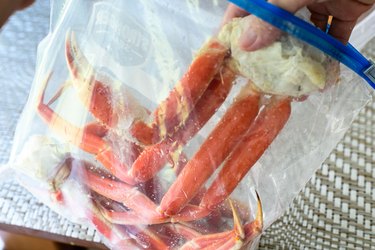
Store them in an airtight container or sealed plastic bag.
Keep the fridge temperature at or below 40°F (4°C) for best results.
Differences By Crab Type
King crab legs usually last about 4 to 5 days refrigerated.
Snow crab legs have a slightly shorter shelf life of around 3 to 4 days.
Blue crab legs tend to spoil faster and should be eaten within 3 days.
Frozen Vs Refrigerated
Freezing cooked crab legs extends their shelf life up to 6 months.
Refrigerated crab legs last only a few days, so freeze leftovers quickly.
Thaw frozen crab legs in the fridge overnight before reheating or eating.

Storage Methods
Proper storage is key to keeping cooked crab legs fresh and tasty. Using the right methods slows spoilage and keeps the crab safe to eat. Focus on how you cool, contain, and control moisture in the crab legs after cooking. These steps help maintain flavor and texture.
Cooling Before Refrigeration
Let crab legs cool down before placing them in the fridge. Hot crab legs raise the fridge temperature, risking other foods. Cooling also prevents condensation, which can make crab soggy. Spread them out on a plate or tray to cool faster. Avoid leaving crab legs out too long; two hours max is safe.
Proper Containers
Use airtight containers or sealed plastic bags to store crab legs. These containers keep air out and prevent odors from mixing. Avoid loosely covering crab legs with foil or wrap. Proper sealing keeps crab meat moist and fresh. Label containers with the date to track storage time easily.
Moisture Control
Crab legs need balanced moisture to stay fresh. Too much moisture leads to sogginess and bacteria growth. Place a paper towel inside the container to absorb extra liquid. Change the towel if it becomes very damp. Proper moisture control keeps crab legs firm and tasty for days.
Signs Of Spoiled Crab
Cooked crab legs can spoil even in the fridge. It is important to spot signs of spoilage. This helps avoid eating unsafe seafood. Spoiled crab can cause food poisoning. Watch closely for changes in smell, texture, and color. These signs warn you the crab is no longer safe.
Off Smell Indicators
Fresh crab has a mild, sweet ocean scent. A strong fishy or sour odor means spoilage. An ammonia-like smell is a clear warning. This scent comes from the crab breaking down. Throw away crab with any bad or sharp smells. Trust your nose to keep safe.
Texture Changes
Good crab meat feels firm and moist. Slimy or sticky texture is a bad sign. Soft, mushy crab meat means it is spoiling. Dry or rubbery crab also means it is old. Avoid crab with any texture changes. Freshness affects both taste and safety.
Color And Appearance
Cooked crab meat is white or slightly pink. Dull, gray, or yellowish colors show spoilage. Look for dark spots or discoloration on the shell. Cloudy or slimy liquid around crab means it is bad. Clean, bright crab meat is safe to eat. Discolored crab should be discarded immediately.
Reheating Tips
Reheating cooked crab legs requires care to keep their flavor and texture fresh. Proper reheating ensures the crab meat stays tender and safe to eat. Follow these tips to enjoy your crab legs like they were just cooked.
Avoid Multiple Reheats
Reheating crab legs more than once can dry out the meat. Each heat cycle reduces moisture and quality. Heat only the portion you plan to eat. Store leftovers properly to reheat only once. This helps maintain taste and food safety.
Safe Reheating Techniques
Steam crab legs gently to avoid overcooking. Use a steamer or a pot with a small amount of boiling water. Cover the crab legs and heat for 5 to 7 minutes. Alternatively, warm them in the oven at 350°F (175°C) wrapped in foil for 10 minutes. Avoid microwaving, as it can make crab rubbery.
Using Leftovers Creatively
Leftover crab legs can be used in various dishes. Remove the meat and add it to salads or pasta. Make crab cakes or a seafood dip for a new taste. This way, you reduce waste and enjoy crab in different meals. Creative use keeps your leftovers exciting and fresh.
Safety Precautions
Handling cooked crab legs safely is key to enjoying their rich flavor without health risks. Proper storage and careful inspection help keep the crab fresh and safe to eat. Follow these safety tips to protect yourself and your family from foodborne illnesses.
Check the crab legs regularly and store them correctly in the fridge. Always trust your senses to spot signs of spoilage early.
When To Discard
Throw out crab legs if they stay in the fridge for more than 3 to 5 days. Any longer risks harmful bacteria growth. Also, discard crab if it looks slimy or has a dull color. Do not eat crab legs past their safe storage time or with unusual texture or appearance.
Ammonia Smell Warning
A strong ammonia smell means the crab legs are spoiled. This sharp odor comes from decomposing meat. Even a slight ammonia scent signals decay. Avoid eating crab legs with any ammonia smell to prevent sickness.
Avoiding Foodborne Illness
Keep cooked crab legs in airtight containers to stop bacteria. Cool them to room temperature before refrigerating. Never leave crab legs out at room temperature for more than two hours. Reheat crab legs only once to reduce bacteria risk. These steps help keep your crab safe and tasty.

Freezing Guidelines
Freezing cooked crab legs is an excellent way to extend their shelf life beyond the refrigerator. Proper freezing preserves flavor and texture while keeping them safe to eat for a longer period. Following clear freezing guidelines helps maintain the quality of your crab legs and prevents waste.
Freezing Cooked Crab Legs
Wrap crab legs tightly in plastic wrap or aluminum foil. Place them in an airtight freezer bag or container to avoid freezer burn. Label with the date before freezing. Store at 0°F (-18°C) or lower. Frozen crab legs last up to six months without losing much taste.
Thawing Safely
Thaw crab legs in the refrigerator overnight for best results. Avoid thawing at room temperature to reduce bacteria growth. For faster thawing, place crab legs in a sealed bag and submerge in cold water. Cook immediately after thawing to ensure freshness and safety.
Impact On Quality
Freezing may slightly change the texture of crab meat. It can become a bit softer after thawing. Flavor generally remains intact if frozen properly. Avoid refreezing thawed crab legs as it reduces quality and taste. Enjoy crab legs soon after thawing for the best experience.
Frequently Asked Questions
Can I Eat 5 Day Old Crab Legs?
Eating 5-day-old crab legs is risky. Consume crab legs within 2-3 days refrigerated to avoid food poisoning. Check for sour smell, sliminess, or discoloration before eating.
How Long Can Cooked Crabs Stay In The Refrigerator?
Cooked crabs stay fresh in the refrigerator for 3 to 5 days. Store them in an airtight container. Discard if they smell sour or feel slimy.
How Do You Know If Crab Legs Have Gone Bad?
Crab legs have gone bad if they smell sour, fishy, or like ammonia. Slimy texture or discoloration also indicates spoilage.
Does Crab Meat Go Bad Fast?
Crab meat spoils quickly, lasting 1-2 days in the fridge if fresh. Store it cold and sealed to maintain freshness. Check for sour smell or slimy texture to avoid eating bad crab.
Conclusion
Cooked crab legs stay fresh in the fridge for three to five days. Store them in an airtight container to keep moisture and flavor. Avoid reheating crab legs more than once to prevent dryness. Always check for signs of spoilage before eating.
If crab smells sour or feels slimy, do not eat it. Proper storage helps you enjoy crab safely and deliciously. Remember, freshness matters for the best taste and health. Enjoy your crab while it’s still good!