
Cooked ribs keep 3–4 days in the refrigerator when stored in an airtight container or tightly wrapped at 40°F (4°C) or below. For the best flavor and tenderness, eat them within 1–2 days, especially if they’re sauced.
Cool ribs within two hours, then refrigerate in shallow containers so they chill quickly. Reheat covered at a low temperature with a splash of broth or sauce to keep them juicy, and discard if they smell sour or feel slimy.

Shelf Life Of Cooked Ribs
Understanding the shelf life of cooked ribs helps keep your meals safe and tasty. Cooked ribs stored in the fridge can stay good for several days if handled properly. Knowing how long to keep them avoids waste and prevents foodborne illness. Let’s explore how long cooked ribs last in the refrigerator and what affects their freshness.
Typical Refrigerator Duration
Cooked ribs usually last 3 to 4 days in the fridge. Store them in airtight containers or tightly wrapped to keep moisture in. The cold temperature slows bacterial growth but does not stop it. Always place ribs in the fridge within two hours after cooking. Eating ribs beyond four days can risk food poisoning.
Factors Affecting Freshness
Several factors affect how long cooked ribs remain fresh. The initial cooking method plays a role; slow-cooked ribs may last longer than grilled ones. How you store ribs also matters. Use shallow containers to cool ribs quickly. Avoid leaving ribs at room temperature for long periods. The fridge temperature should be below 40°F (4°C) to maintain freshness.
Differences Between Pork And Beef Ribs
Pork and beef ribs have slightly different shelf lives. Cooked pork ribs tend to stay fresh for about 3 to 4 days. Beef ribs may last a bit longer, up to 5 days, due to their fat content and texture. Both should be stored properly and checked for signs of spoilage before eating. Always trust your senses if unsure about the ribs’ condition.
Signs Of Spoiled Ribs
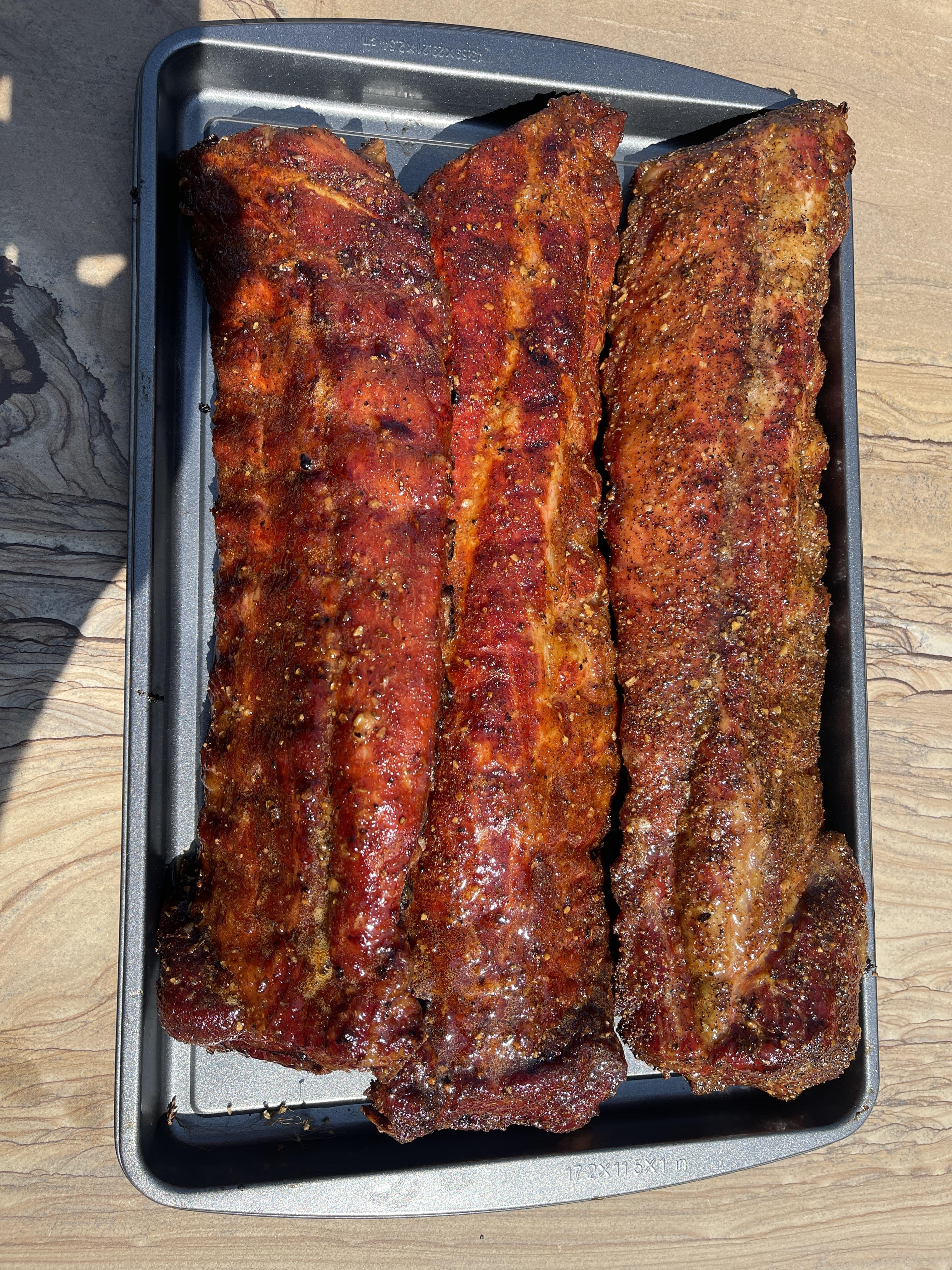
Knowing the signs of spoiled ribs is important for food safety. Cooked ribs can go bad even in the fridge. Spotting the signs early prevents foodborne illness. Check ribs carefully before eating leftover meat. Three key signs tell if ribs are no longer safe.
Off Smell Detection
Fresh ribs have a mild, meaty smell. Spoiled ribs give off a strong sour or rotten odor. Sometimes, an ammonia-like smell appears. This smell stays even after rinsing ribs. A bad smell means do not eat the ribs. Trust your nose to keep you safe.
Texture Changes To Watch For
Good ribs feel firm and moist. Spoiled ribs often feel slimy or sticky. The meat may also become mushy. These texture changes show bacterial growth. Slimy ribs are unsafe and should be thrown away. Always check texture before reheating or eating.
Color Indicators Of Spoilage
Fresh cooked ribs are reddish-pink with white fat. Spoiled ribs change color to gray, brown, or green. Discolored patches or dull meat mean spoilage. Avoid eating ribs with unusual colors. Color changes are a clear warning sign.
Safe Storage Methods
Storing cooked ribs safely in the fridge helps keep them fresh and tasty. Proper storage stops bacteria growth and food spoilage. Follow these methods to extend the shelf life of your ribs and avoid food waste.
Using the right containers and sealing techniques preserves flavor and moisture. Cooling and labeling also play a key role in food safety. Learn how to store ribs correctly for the best results.
Best Containers For Refrigeration
Choose shallow, airtight containers for storing cooked ribs. Glass or BPA-free plastic containers work well. These containers prevent air from drying out the meat. Avoid leaving ribs in foil or loose plastic wrap. Proper containers keep ribs juicy and safe for up to 3-4 days.
Vacuum Sealing Benefits
Vacuum sealing removes air and seals ribs tightly. This method slows bacteria growth and keeps ribs fresher longer. Vacuum-sealed ribs can last up to a week in the fridge. It also preserves flavor and prevents freezer burn if freezing later.
Cooling And Labeling Tips
Cool ribs to room temperature before refrigerating. Hot ribs raise fridge temperature and risk spoiling other foods. Place ribs in the fridge within two hours after cooking. Label containers with the date to track freshness easily. Use the oldest ribs first to reduce waste.
When To Discard Leftover Ribs
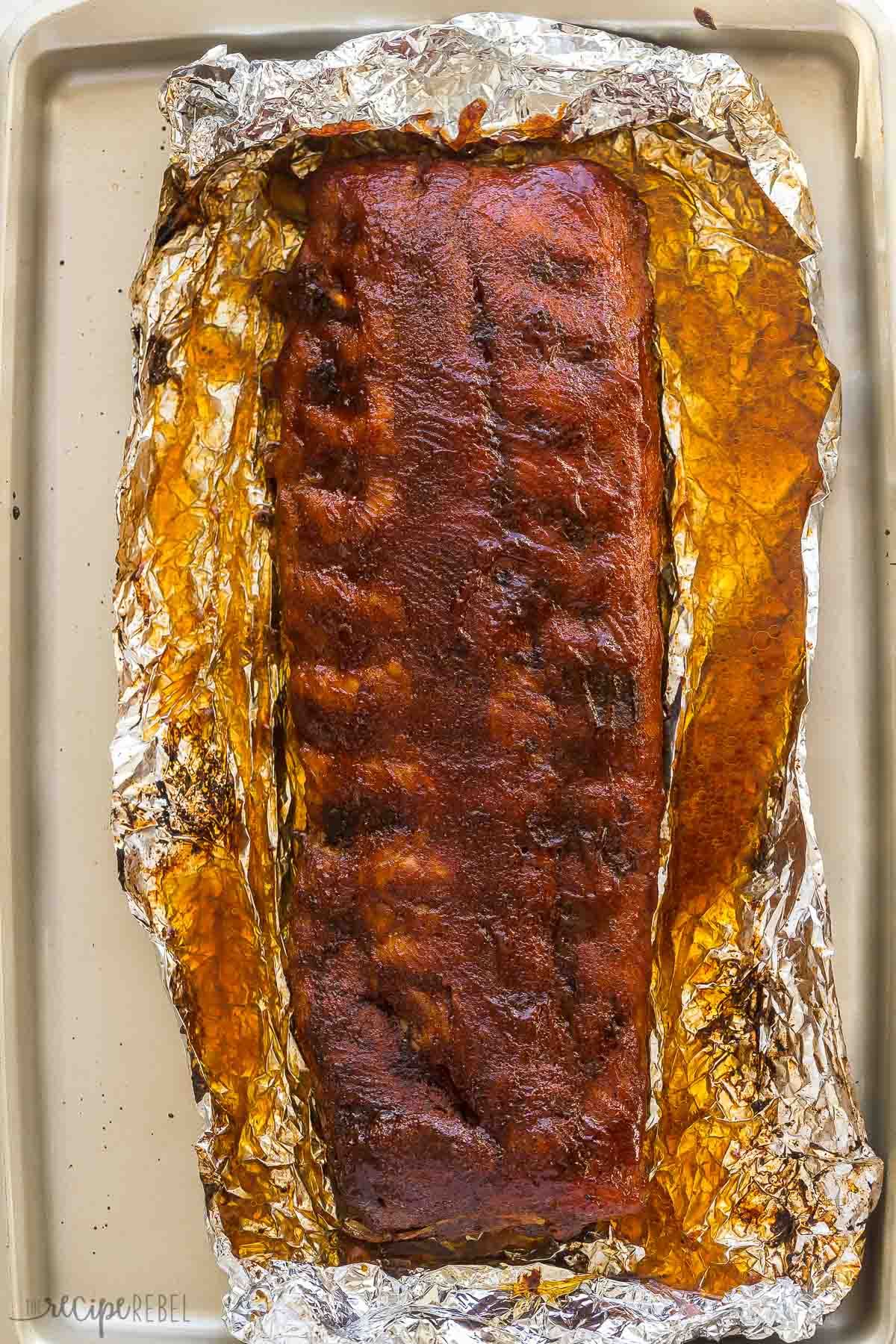
Knowing when to discard leftover ribs is crucial for food safety. Cooked ribs do not last forever in the fridge. Eating them past their prime can cause illness. Properly storing ribs helps, but you must watch for signs that they are no longer safe to eat. Always check ribs carefully before reheating or eating cold. Trust your senses and the storage time to decide.
Common Mistakes To Avoid
One common mistake is keeping ribs too long in the fridge. Cooked ribs usually last 3 to 4 days. Storing them longer increases the risk of spoilage. Another error is not sealing ribs properly. Air exposure makes ribs dry out and spoil faster. Some people reheat ribs multiple times. This can cause bacteria to grow. Avoid leaving ribs at room temperature for hours. This allows harmful bacteria to multiply quickly.
Health Risks Of Eating Spoiled Ribs
Eating spoiled ribs can cause food poisoning. Symptoms include stomach pain, vomiting, and diarrhea. Severe cases may need medical attention. Spoiled ribs may contain harmful bacteria like salmonella or listeria. These bacteria grow when ribs are stored too long or improperly. The risk is higher for children, elderly, and people with weak immune systems. Always discard ribs if you notice bad smells or strange textures. It is better to be safe than sorry.
Reheating Cooked Ribs
Reheating cooked ribs can bring back their delicious taste and texture. Proper reheating keeps ribs safe to eat and enjoyable. Follow simple steps to avoid drying out or losing flavor. This section explains how to reheat ribs safely and keep them moist and tasty.
Safe Reheating Temperatures
Heat ribs to an internal temperature of 165°F (74°C). This temperature kills harmful bacteria. Use a food thermometer to check the temperature inside the meat. Reheat ribs quickly and evenly to avoid food safety risks. Never reheat ribs more than once.
Methods To Retain Flavor And Moisture
Wrap ribs in foil to keep moisture inside during reheating. Add a splash of water, broth, or barbecue sauce before covering. Heat ribs slowly in the oven at 250°F (120°C) for about 20-30 minutes. Avoid microwaving if possible, as it can dry ribs out and make them tough.
For microwave reheating, cover ribs with a damp paper towel. Heat in short bursts to prevent overcooking. Rest ribs for a few minutes after reheating to let juices redistribute. This ensures ribs stay tender and flavorful.
Freezing Cooked Ribs
Freezing cooked ribs is a smart way to keep them fresh for longer. It helps preserve their flavor and texture. Proper freezing stops bacteria growth and food spoilage. You can enjoy your ribs days or weeks after cooking.
Freezer Storage Duration
Cooked ribs last about 2 to 3 months in the freezer. Beyond this time, quality drops, and ribs may become dry or tough. Store ribs properly to keep them tasty and safe to eat.
Proper Wrapping Techniques
Wrap ribs tightly to avoid freezer burn. Use plastic wrap first, then cover with aluminum foil. Vacuum-sealed bags work best for long storage. Label the package with the date before freezing.
Thawing Safely
Thaw ribs in the fridge for 24 hours before reheating. Avoid thawing at room temperature to stop bacteria growth. You can also thaw ribs in cold water in a sealed bag. Cook ribs immediately after thawing.
Frequently Asked Questions
How Long Are Pork Ribs Good For In The Fridge?
Pork ribs stay fresh in the fridge for 3 to 5 days. Store them in airtight containers or vacuum-sealed bags. Discard if they smell sour, feel slimy, or show discoloration. Always check ribs before eating to avoid foodborne illness.
What Is The 3-3-3 Rule For Ribs?
The 3-3-3 rule for ribs means cooking ribs for 3 hours unwrapped, 3 hours wrapped in foil, and 3 hours unwrapped again. This method ensures tender, flavorful ribs by balancing cooking and moisture retention.
How Can You Tell If Ribs Have Gone Bad?
Check ribs for a sour or ammonia smell, slimy texture, and gray, brown, or green discoloration. Fresh ribs smell neutral, feel firm, and have pinkish-red color. Toss ribs if odors persist after rinsing or if texture and color look off to avoid foodborne illness.
Can I Keep A Rib Roast In The Fridge For 7 Days?
You should not keep a raw rib roast in the fridge for 7 days. Store it for 3-5 days maximum to ensure safety. Discard if it smells sour, feels slimy, or changes color. Properly wrap or vacuum-seal to maintain freshness.
Conclusion
Cooked ribs stay fresh in the fridge for about 3 to 4 days. Store them in airtight containers to keep moisture and flavor. Always check ribs for bad smells or slimy texture before eating. Discard ribs if they look gray or feel sticky.
Eating spoiled ribs can cause stomach problems. Proper storage helps prevent waste and keeps ribs tasty. Enjoy your leftovers safely by following these simple tips. Keep ribs cold and use them within the safe time to avoid risks. Fresh ribs make every meal better and safer.