
Yes—you can make yogurt in a slow cooker, and it’s a simple way to get thick, creamy homemade yogurt with minimal equipment. Most batches take 8–12 hours to incubate after heating the milk and adding a starter, depending on how tangy you like it.
Heat the milk in the slow cooker, then cool it to about 110°F (43°C) before whisking in plain yogurt with live cultures. Keep the mixture warm with the cooker off and the lid wrapped in towels, then chill the yogurt for a few hours to set before serving.
Credit: omadarling.com
Slow Cooker Yogurt Basics
Making yogurt in a slow cooker is simple and rewarding. The slow cooker keeps milk warm at the right temperature. This warmth helps good bacteria grow and turn milk into yogurt. Understanding the basics makes the process easier and the yogurt tastier.
Why Use A Slow Cooker
A slow cooker provides steady, gentle heat needed for yogurt. It keeps the milk warm without boiling or burning it. This steady heat encourages good bacteria to multiply. The slow cooker is easy to use and frees up your time. You do not need special equipment or constant attention. It is also energy efficient and perfect for homemade yogurt.
Essential Ingredients
Only a few ingredients are needed to make yogurt in a slow cooker. The first is milk. Whole milk works best for creamy yogurt but you can use low-fat or skim milk too. The second ingredient is a yogurt starter. This can be plain yogurt with live cultures or a powdered starter. The live cultures are important to make the milk turn into yogurt. You need no sugar or flavor at this stage. You can add those later if you want.

Credit: www.youtube.com
Step-by-step Yogurt Making
Making yogurt in a slow cooker is simple and satisfying. This step-by-step guide helps you create creamy, delicious yogurt at home. Follow these clear steps to enjoy fresh yogurt anytime.
Preparing The Milk
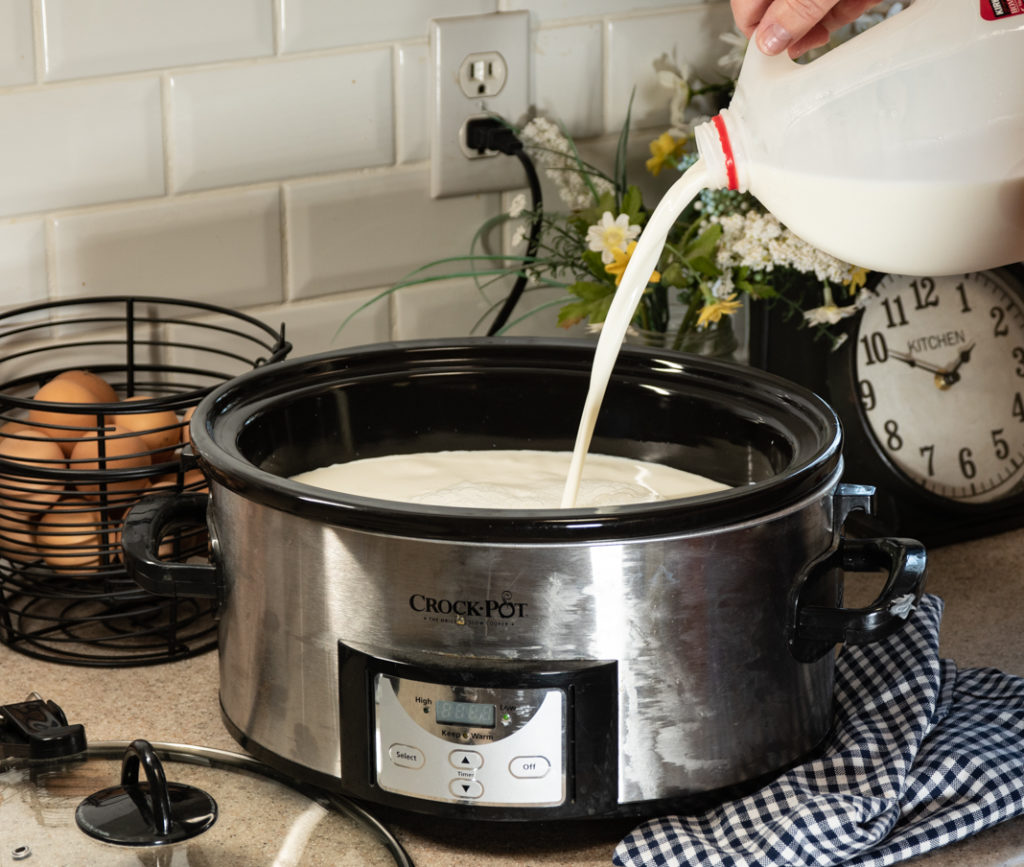
Start with fresh milk. Use whole or 2% milk for best results. Pour the milk into the slow cooker. Make sure the pot is clean to avoid bad flavors. You can use any size slow cooker, but a quart or more works well.
Heating Process
Turn the slow cooker to the low or warm setting. Heat the milk to about 180°F (82°C). This kills unwanted bacteria and changes milk proteins to help yogurt thicken. Stir occasionally to prevent a skin from forming. Use a thermometer for accuracy.
Adding Starter Culture
Cool the milk to about 110°F (43°C) before adding starter culture. Use plain yogurt with live active cultures or store-bought yogurt as your starter. Mix a few tablespoons of starter yogurt with some warm milk in a separate bowl. Stir this mixture back into the slow cooker gently.
Incubation Time
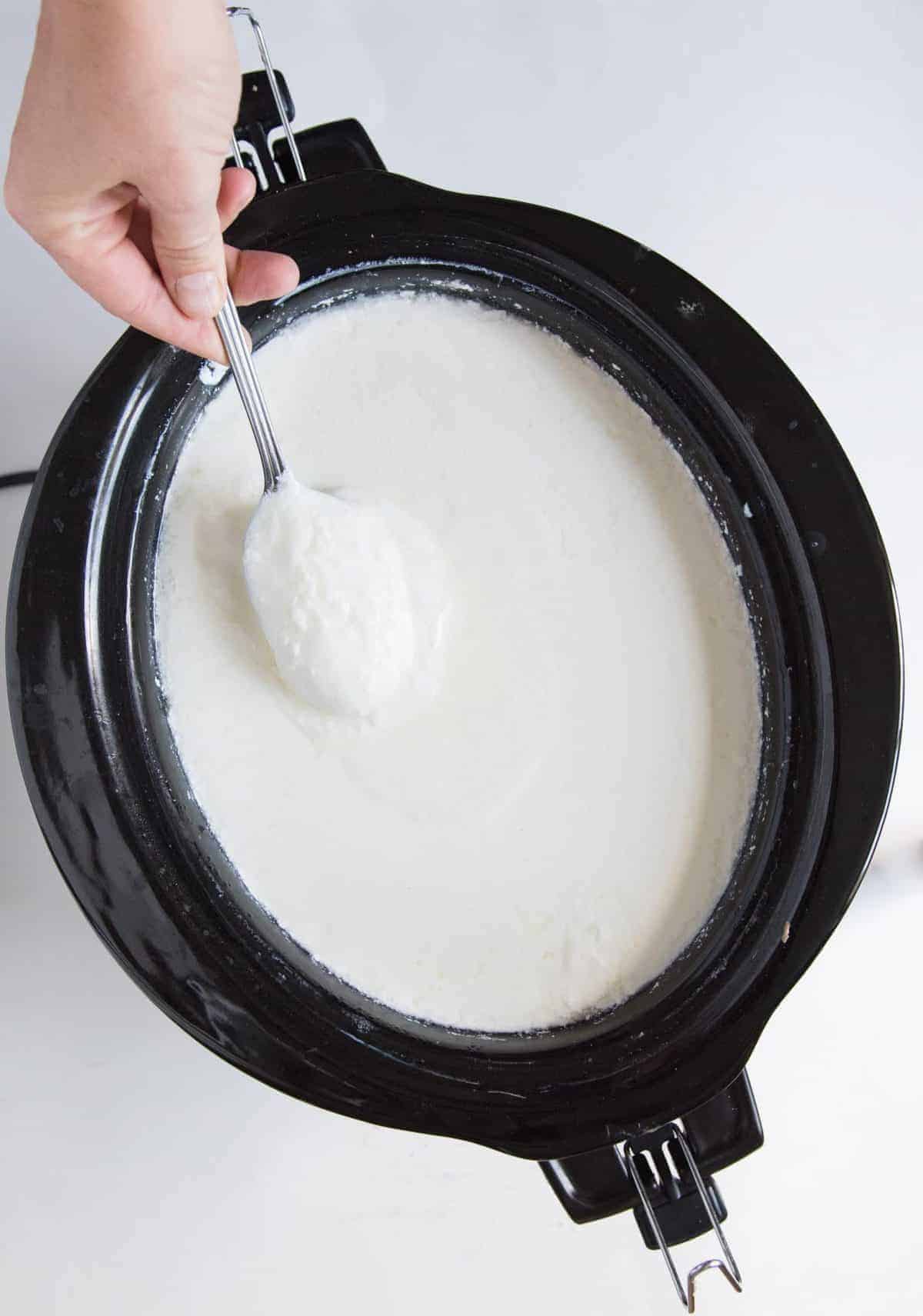
Cover the slow cooker with its lid or a clean towel. Keep the yogurt at a steady warm temperature for 6 to 12 hours. The longer you wait, the tangier the yogurt will be. Avoid moving the slow cooker during incubation. Afterward, chill the yogurt in the fridge before serving.
Choosing The Right Slow Cooker
Choosing the right slow cooker plays a big role in making homemade yogurt. The slow cooker must keep a steady, warm temperature. This helps the yogurt cultures grow and turn milk into creamy yogurt. Not every slow cooker works well for this. Picking the right one saves time and gives better results.
Size And Capacity
Pick a slow cooker size based on how much yogurt you want. A 4 to 6-quart cooker suits most families. Smaller cookers work for single servings or small batches. Bigger slow cookers take longer to heat evenly. Too large a cooker may waste energy and slow the yogurt process.
Temperature Control
Yogurt needs a low, steady heat around 110°F (43°C). Choose a slow cooker with a precise temperature setting. Some models have a yogurt mode that keeps the heat steady. Others only have low, medium, and high settings. A cooker with adjustable temperature is best. This control helps avoid overheating or cooling the milk.
Features To Look For
A removable ceramic insert makes cleanup easier. Glass lids help watch the yogurt without opening the cooker. Programmable timers add convenience. Some slow cookers have automatic keep-warm settings. These features improve the yogurt-making process and keep the culture safe. Avoid cookers that heat too fast or unevenly.
Common Mistakes To Avoid
Making yogurt in a slow cooker can be simple, but mistakes can spoil the process. Avoiding common errors helps you get creamy, tasty yogurt every time. Knowing what not to do saves time and ingredients.
Incorrect Temperature
Yogurt needs a warm, steady temperature between 110°F and 115°F. Too hot kills the good bacteria, and too cold stops fermentation. A slow cooker often runs hotter than this, so use a thermometer to check. Turning the slow cooker off after warming the milk, then incubating with the lid on, works well.
Using Frozen Ingredients
Frozen milk or starter yogurt can affect the final texture. Thaw ingredients fully before use. Cold ingredients slow down fermentation and can cause uneven yogurt. Fresh or properly refrigerated ingredients give the best results.
Over Or Under Incubation
Incubation time controls yogurt thickness and tanginess. Less than 4 hours may leave yogurt runny. More than 12 hours can make it too sour or grainy. Check yogurt at 6 to 8 hours for the right balance. Adjust time based on your taste and temperature.
Variations Of Slow Cooker Yogurt
Slow cookers offer a simple way to make homemade yogurt. You can try many variations to suit your taste and diet. These variations include Greek-style yogurt, flavored versions, and non-dairy options. Each type uses the slow cooker’s gentle heat to ferment milk or alternatives. This process creates creamy and delicious yogurt with ease.
Greek Yogurt Style
Greek yogurt is thicker and creamier than regular yogurt. To make it in a slow cooker, start with plain slow cooker yogurt. After fermentation, strain the yogurt using a cheesecloth or fine mesh. This removes excess whey, thickening the yogurt. Greek yogurt has a richer texture and higher protein content. It is perfect for dips, desserts, or breakfast bowls.
Flavored Yogurts
Flavored yogurts add taste without extra effort. You can stir in fresh fruits like berries or mango after the yogurt is ready. Another option is to mix honey, vanilla, or cinnamon for extra flavor. Avoid adding sugar before fermentation, as it can affect the culture. Flavored yogurts make a tasty snack and appeal to kids and adults alike.
Non-dairy Options
Non-dairy yogurt suits those who avoid milk. Use plant-based milks like coconut, almond, or soy in your slow cooker. These milks need specific starter cultures made for non-dairy yogurt. The fermentation time may vary, so check the yogurt for the right texture. Non-dairy yogurt can be creamy and delicious, perfect for vegan diets or lactose intolerance.
Storage And Shelf Life
Proper storage of homemade yogurt is important to keep it fresh and tasty. Knowing how to store yogurt made in a slow cooker helps maintain its quality. It also ensures safety and extends its shelf life.
Best Containers
Use clean glass jars or BPA-free plastic containers for storing yogurt. Glass jars with tight lids prevent air and moisture from entering. Avoid metal containers as they may react with the yogurt.
Small containers help you store yogurt in portions. This reduces contamination by limiting exposure to air each time you open a container.
Refrigeration Tips
Cool the yogurt at room temperature before putting it in the fridge. Store yogurt in the coldest part of the refrigerator, not in the door. The door temperature changes often, which can spoil yogurt faster.
Keep the container sealed tightly to stop other food odors from affecting the yogurt. Use a clean spoon every time you scoop yogurt to avoid introducing bacteria.
Shelf Life Expectations
Homemade slow cooker yogurt lasts about 1 to 2 weeks in the fridge. The exact time depends on cleanliness and refrigeration conditions. Watch for signs of spoilage like off smell or mold.
For best taste and safety, consume the yogurt within the first week. Do not freeze yogurt as it changes texture and can separate when thawed.
Health Benefits Of Homemade Yogurt
Making yogurt at home using a slow cooker offers more than just fresh taste. Homemade yogurt is rich in nutrients and supports your overall health. It contains live cultures that help your digestive system. Plus, it avoids preservatives and added sugars found in store-bought versions.
Probiotics Explained
Probiotics are good bacteria that live in your gut. They help balance the natural flora and aid digestion. Homemade yogurt contains these live probiotics because it is cultured naturally. Eating probiotics can improve your immune system. They may also reduce digestive issues like bloating and constipation.
Nutritional Advantages
Homemade yogurt has more protein than many other dairy products. It is a good source of calcium, which strengthens bones and teeth. Making yogurt at home lets you control the ingredients. You can avoid extra sugars and additives. This keeps your yogurt natural and healthier for daily eating. Yogurt also provides vitamins B2 and B12, important for energy and brain health.
Troubleshooting Tips
Making yogurt in a slow cooker can be simple and fun. Sometimes, things do not go as planned. Troubleshooting helps fix common problems. This section explains how to solve issues like runny yogurt, off flavors, and texture problems. Follow these tips to improve your yogurt next time.
Yogurt Too Runny
Runny yogurt means it did not set well. Check the temperature of your slow cooker. It should be around 110°F (43°C) for good fermentation. Use fresh milk and quality starter culture. Avoid disturbing the yogurt while it is setting. Let it sit longer if needed, up to 12 hours. Straining the yogurt with cheesecloth can also thicken it.
Off Flavors
Strange tastes can come from several reasons. Old or poor-quality starter culture may spoil the flavor. Use plain yogurt with live cultures as a starter. Clean your slow cooker well before use to avoid contamination. Avoid overheating the milk, as it can cause a burnt taste. Use fresh milk and keep the slow cooker covered during fermentation.
Texture Issues
Grainy or lumpy yogurt is not smooth. Heat the milk properly before adding the starter. Slowly cool the milk to the right temperature for fermentation. Stir gently and avoid mixing after adding the starter. Make sure the slow cooker keeps a steady warm temperature. Use whole milk for creamier texture. Strain the yogurt for thicker consistency if desired.
Credit: www.blessthismessplease.com
Conclusion
Making yogurt in a slow cooker is simple and rewarding. You only need milk, a starter, and time. The slow cooker keeps the temperature steady, perfect for culturing yogurt. This method saves money and avoids preservatives found in store-bought yogurt.
Patience is key; fermentation takes several hours. Once done, enjoy creamy, homemade yogurt fresh or chilled. Experiment with flavors by adding fruits or honey. Slow cooker yogurt fits well in any kitchen routine. Give it a try and taste the difference homemade yogurt makes.