
Slow cooker liners shouldn’t be used in the oven. They’re made for low, steady slow-cooker heat, and oven temperatures can get hot enough to make the plastic soften, warp, or melt, especially against metal or dry heat.
If you need an oven-safe option, use parchment paper, foil, or an oven-safe baking dish placed inside your slow cooker insert (if it’s rated for oven use). Always check the liner package for temperature limits, and follow your slow cooker manufacturer’s safety guidelines.

Credit: www.reynoldsbrands.com
Slow Cooker Liners Basics
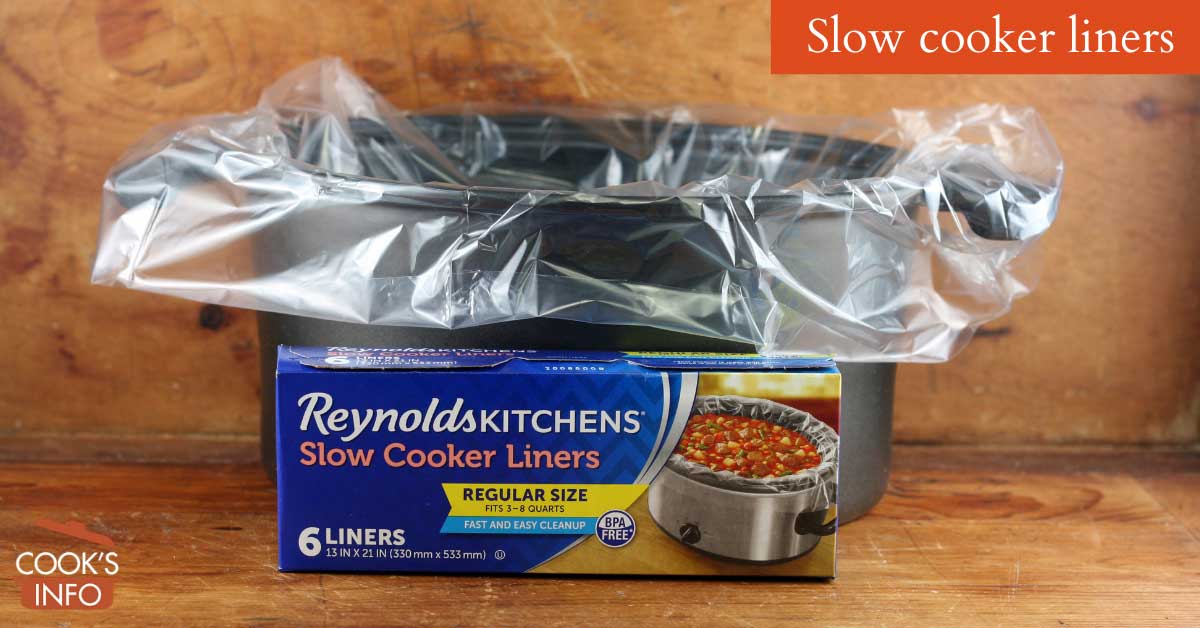
Slow cooker liners simplify cleanup and keep your slow cooker tidy. They fit inside the pot, creating a non-stick surface. These liners are popular for cooking stews, soups, and roasts without messy scrubbing afterward. Understanding their basics helps you use them safely and effectively.
Material Composition
Slow cooker liners are made from heat-resistant nylon or polyester. These materials handle low, moist heat well. They are usually food-safe and designed to prevent sticking. The thin plastic film is flexible and fits snugly inside slow cooker pots. This composition is not the same as oven bags or parchment paper.
Heat Resistance Limits
Slow cooker liners can usually withstand temperatures up to 200°F to 250°F. Slow cooking happens at low temperatures over several hours. These liners are not made for high heat or dry heat settings. Exposing them to oven temperatures above their limit can cause melting or toxic fumes. Always check the product packaging for exact temperature ratings.
Designed Cooking Environment
Slow cooker liners are intended for use inside slow cookers only. Slow cookers provide moist heat in a controlled environment. This helps liners perform well without damage. Using liners in ovens or on stovetops exposes them to direct, dry heat. This can ruin the liner and create safety risks. Stick to their intended environment for best results.
Credit: www.cooksinfo.com
Oven Use Risks
Using slow cooker liners in the oven involves several risks. These liners are designed for slow cookers, not for the high, dry heat of ovens. The dangers include melting, damaging your oven, and contaminating your food. Understanding these risks helps protect your kitchen and meals.
Melting And Fumes
Slow cooker liners can melt in the oven’s high temperatures. They are made from materials that only tolerate low, moist heat. When melted, liners release harmful fumes. These fumes can fill your kitchen and harm your health. Avoid using slow cooker liners in the oven to prevent this.
Damage To Oven
Melting liners can stick to oven surfaces. This can cause permanent damage to racks and walls. Cleaning melted plastic is difficult and may require professional help. Using liners not made for ovens increases the chance of costly repairs or replacements.
Food Contamination
When liners melt, chemicals can mix with your food. This contamination makes food unsafe to eat. Even slight melting risks harmful substances leaching into meals. Keep food safe by using only oven-safe products for baking or roasting.
Manufacturer Guidelines
Manufacturer guidelines are crucial when deciding how to use slow cooker liners safely. Each brand provides specific instructions about temperature limits and suitable cooking methods. Following these rules helps prevent damage to your cookware and keeps your food safe. Always check the packaging or official website before using liners outside their intended purpose.
Reynolds Brand Advice
Reynolds liners are designed only for slow cookers. Their materials cannot handle the high, dry heat of ovens. The company warns against using liners in ovens, grills, or stovetops. Using liners in the oven may cause melting or harmful fumes. Reynolds emphasizes using liners as intended to avoid safety risks and damage.
Single-use Recommendations
Most slow cooker liners are single-use only. They may tear or degrade if reused. Manufacturers recommend disposing of liners after one cooking session. This ensures cleanliness and prevents contamination. Reusing liners can also reduce their effectiveness and cause leaks during cooking.
Storage And Preparation Tips
Store liners in a cool, dry place to keep them intact. Avoid folding liners tightly to prevent cracks. Before use, ensure the liner fits your slow cooker well. Do not overfill the liner with food or liquid. Proper preparation helps maintain the liner’s shape and prevents spills.

Credit: www.reynoldsbrands.com
Alternatives For Oven Cooking
Slow cooker liners are not made for oven use, but there are safe alternatives for oven cooking. These options help keep your dishes clean and make cooking easier. They also handle oven heat safely without melting or releasing fumes. Below are some practical choices for oven liners and inserts.
Oven Bags
Oven bags are designed to withstand high oven temperatures. They help lock in moisture and flavor while cooking your food. These bags reduce cleanup by preventing food from sticking to pans. Made from heat-resistant nylon, oven bags are safe to use in most ovens. Always follow package instructions for best results.
Parchment Paper
Parchment paper is a popular choice for lining baking sheets and pans. It resists heat up to about 420°F (215°C) and keeps food from sticking. Using parchment paper makes cleanup quick and easy. It is safe for roasting, baking, and even some broiling tasks. Avoid direct contact with heating elements to prevent burning.
Using Oven-safe Ceramic Inserts
Many slow cookers come with ceramic inserts that can be used in the oven. Check the bottom of your insert for an oven-safe symbol or wording. These inserts provide even heat and are perfect for baking and roasting. Using the ceramic insert eliminates the need for liners and ensures safe cooking. Always handle with oven mitts, as ceramic gets very hot.
Cross-usage Considerations
Using slow cooker liners outside their intended purpose can cause issues. These liners are made to handle slow, moist heat over hours. Oven heat is hotter and dry, which can damage liners. Understanding the differences helps keep cooking safe and effective.
Choosing the right type of liner or dish for your cooking method prevents accidents. The materials and design of slow cooker liners do not suit oven use. Knowing alternatives and safety tips is important.
Using Oven Bags In Slow Cookers
Oven bags are designed to handle high oven temperatures. They are made from strong, heat-resistant materials that can withstand dry heat. Using oven bags inside slow cookers is possible but not ideal. Slow cookers use moist heat, which differs from oven conditions.
Oven bags may not fit well or stay in place inside slow cookers. This can cause uneven cooking or spills. It is better to use liners made specifically for slow cookers in those appliances.
Slow Cooker Ceramic Dish In Oven
Many slow cookers have removable ceramic dishes. These dishes often say “oven safe” on the bottom. This means they can handle oven temperatures safely. Baking or roasting directly in the ceramic dish is a good option for oven cooking.
Always check the manufacturer’s instructions before placing the ceramic dish in the oven. Avoid sudden temperature changes to prevent cracking. Using the ceramic dish properly extends its life and maintains safety.
Safety Precautions
Never use slow cooker liners in the oven. They can melt or release harmful fumes. Using the wrong liner risks food contamination and appliance damage. Follow product labels carefully to avoid hazards.
Keep slow cooker liners away from direct heat sources like stovetops or grills. Use oven bags or parchment paper for oven cooking needs. Always monitor cooking times and temperatures for safe results.
Conclusion
Slow cooker liners are not safe for oven use. They can melt and release harmful fumes. These liners suit slow cookers’ low, moist heat only. For oven cooking, choose oven bags or parchment paper instead. If your slow cooker pot is oven-safe, use it directly without liners.
Always check product instructions to avoid damage or health risks. Following these tips keeps cooking safe and easy.