
A multi cooker and a slow cooker can both simmer meals for hours, but they’re not the same tool. A slow cooker focuses on steady low-and-slow heat, while a multi cooker adds extra functions like pressure cooking, sautéing, steaming, and rice cooking, often finishing meals much faster.
Choose a slow cooker for true set-it-and-forget-it comfort food that cooks gently all day. Pick a multi cooker if you want one appliance that can brown ingredients, cook quickly under pressure, and still switch to slow-cook mode when you have time.

Credit: www.choice.com.au
Multi Cooker Features
The multi cooker is a popular kitchen appliance with many useful features. It combines several cooking methods into one device. This makes cooking faster and easier. Many people prefer multi cookers for their flexibility and convenience.
Here are some key features that make multi cookers stand out in the kitchen.
Cooking Functions
Multi cookers offer many cooking functions in a single machine. They can pressure cook, slow cook, steam, sauté, and even bake. This variety lets you prepare different meals using one appliance. You can cook rice, soups, stews, and more without switching devices. The timer and temperature controls help to cook food perfectly every time.
Versatility In The Kitchen
Multi cookers handle many cooking tasks that usually need several tools. They replace pressure cookers, slow cookers, rice cookers, and steamers. This reduces the need for extra pots and pans. You can try new recipes that need different cooking styles. The multi cooker adapts to your cooking needs easily.
Space-saving Design
Multi cookers save kitchen space by combining many functions. Instead of having multiple appliances, you only need one. This is perfect for small kitchens or limited counter space. The compact design also makes it easy to store when not in use. It helps keep your kitchen neat and organized.
Slow Cooker Benefits
Slow cookers offer many benefits that make them a favorite in kitchens worldwide. They simplify meal preparation and deliver delicious results with minimal effort. Their design supports cooking food slowly over hours, which enhances taste and texture. Using a slow cooker helps save time and energy while creating comforting meals.
Low And Slow Cooking
Slow cookers use low heat for a long time. This method gently cooks food without burning. It is perfect for tough meats and hearty dishes. The slow process breaks down fibers, making food tender. It also preserves nutrients better than high heat cooking.
Flavor Development
Cooking slowly allows flavors to blend deeply. Spices and herbs mix well over time. This results in rich, complex tastes. The sealed pot traps moisture and aromas. Stews, soups, and roasts taste fuller and more satisfying.
Ease Of Use
Slow cookers are simple to operate. Just add ingredients, set the timer, and start. No need to watch or stir constantly. They are perfect for busy days or beginners. Cleaning is easy with removable, dishwasher-safe pots.
Cleaning And Maintenance
Cleaning and maintaining kitchen appliances affect their performance and lifespan. Both multi cookers and slow cookers need regular care. Proper cleaning removes food residues and prevents odors. Maintenance ensures safety and keeps the appliance working smoothly. This section compares cleaning and maintenance challenges of multi cookers and slow cookers.
Multi Cooker Challenges
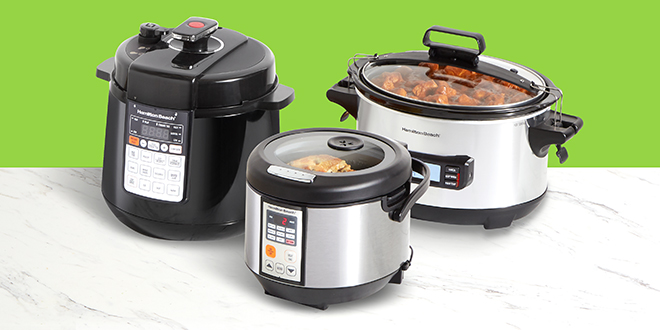
Multi cookers have many parts and functions. Their inner pots often have non-stick coatings. These coatings require gentle cleaning to avoid damage. The lids have sealing rings and valves that trap food particles. Cleaning these parts takes extra time and care. Some parts must be removed and washed separately. The electronic control panel needs wiping with a damp cloth only. Some multi cookers are not dishwasher safe. Residue can build up in small crevices, causing odors. Regular deep cleaning is necessary to prevent this buildup. Failure to clean properly affects cooking quality and appliance safety.
Slow Cooker Simplicity
Slow cookers have a simpler design with fewer parts. Usually, they have a removable ceramic pot and a lid. Both parts are easy to clean, often dishwasher safe. The exterior is a single unit with minimal controls. This simplicity reduces the chance of food getting trapped. Slow cookers require less maintenance overall. Cleaning usually takes less time compared to multi cookers. Their straightforward design makes them ideal for quick cleanup. This ease of cleaning is a big advantage for busy households. Proper care keeps the slow cooker working well for years.
Credit: blog.hamiltonbeach.com
Safety And Supervision
Safety and supervision are key factors in choosing between a multi cooker and a slow cooker. Both appliances use heat over time to cook food, but their operation and risks differ. Understanding these differences helps keep your kitchen safe and your meals tasty. Let’s explore what precautions are needed for each device.
Multi Cooker Precautions
Multi cookers use high pressure and temperature to cook food quickly. This makes them powerful but also requires close attention. Never leave a multi cooker unattended during pressure cooking. The lid locks tightly, and releasing pressure must be done carefully to avoid burns. Follow the manufacturer’s instructions exactly to prevent accidents.
Check the sealing ring and valves before each use. Damaged parts can cause steam leaks or pressure build-up. Clean the cooker thoroughly after each use to keep it working safely. Avoid overfilling the pot; food or liquid can block vents and cause pressure problems. Use only recommended utensils and avoid placing anything on top of the cooker while it runs.
Slow Cooker Convenience
Slow cookers are designed for long, low-heat cooking. They are safer for leaving unattended during the day. You can set a slow cooker in the morning and return to a hot meal in the evening without worry. The lid locks loosely and steam escapes slowly, reducing burn risks.
Keep the slow cooker on a flat, heat-resistant surface. Avoid touching the sides during cooking; they get very hot. Use the timer feature to switch off automatically, which adds extra safety. Clean the pot and lid regularly to prevent food build-up, which can cause odors or affect cooking.
Suitable Foods For Multi Cookers
Multi cookers handle a wide variety of foods thanks to their multiple cooking functions. They offer more options than slow cookers, making them ideal for diverse recipes. Understanding which foods suit each function helps you get the best results.
Pressure Cooking Options
Pressure cooking cooks food quickly under high pressure. It works well for tough meats like beef brisket and pork shoulder. Beans and lentils also cook fast without soaking. Root vegetables such as potatoes and carrots become tender in minutes. This method locks in flavors and nutrients.
Steaming And Sautéing
Steaming keeps vegetables crisp and fresh, perfect for broccoli, green beans, and fish. It preserves color and texture better than boiling. Sautéing lets you brown meats or soften onions before cooking. This adds depth and richness to soups and stews. You can prepare sauces and stir-fry dishes in the same pot.
Credit: www.restlesschipotle.com
Foods To Avoid In Slow Cookers
Slow cookers are great for many dishes, but some foods do not do well in them. Certain ingredients can change texture or taste during long cooking times. Knowing what to avoid helps you make the most of your slow cooker. Here are key foods to skip for best results.
Lean Meats And Fish
Lean meats like chicken breast and pork loin dry out in slow cookers. Fish becomes mushy and loses flavor. Slow cookers work better with tougher cuts. These cuts break down slowly and stay juicy.
Dairy And Cream
Dairy products often curdle or separate during long cooking. Cream and milk can turn grainy or watery. Add these ingredients near the end of cooking. This keeps dishes creamy and smooth.
Pasta And Rice
Pasta and rice tend to overcook and become mushy. They soak up too much liquid. Add pasta and rice in the last 30 minutes of cooking. This keeps their texture firm and tasty.
Delicate Vegetables
Vegetables like spinach and broccoli lose their color and turn mushy. Slow cooking breaks down their structure quickly. Add delicate veggies just before serving. They stay fresh and crisp this way.
Alcohol And Wine
Alcohol does not fully cook off in slow cookers. It can leave a harsh taste. Use less wine or spirits and add them late. This improves flavor without bitterness.
Pre-cooking Requirements
Preparing ingredients before cooking plays a crucial role in both multi cookers and slow cookers. Each appliance handles certain foods differently, affecting texture and safety. Understanding pre-cooking requirements helps achieve better results and avoid common issues. Below, we explore key points about dried beans and root vegetables.
Dried Beans
Dried beans require special attention before cooking. Slow cookers need beans to be soaked and boiled first. This step removes harmful toxins like lectins. Without pre-cooking, beans may remain hard and unsafe to eat.
Multi cookers handle dried beans with more flexibility. The pressure cooking function softens beans quickly without soaking. This saves time and ensures safety. Still, rinsing beans thoroughly is essential.
Root Vegetables
Root vegetables like carrots and potatoes take longer to cook in slow cookers. Cutting them into smaller pieces helps them cook evenly. Adding them at the start prevents undercooked, crunchy textures.
Multi cookers cook root vegetables faster using pressure settings. They may not need as much chopping. This appliance suits busy cooks who want tender vegetables in less time.
Cooking Time And Texture
Cooking time and texture are key factors when choosing between a multi cooker and a slow cooker. Both appliances use heat to transform ingredients, but the way they cook affects the final dish’s texture and tenderness. Understanding these differences helps you decide which cooker suits your meals best.
Effects On Tender Meats
Slow cookers use low heat over many hours. This method breaks down tough fibers in meats like brisket and chuck roast. The result is tender, juicy meat that falls apart easily. Multi cookers can also slow cook, but they add pressure cooking options. Pressure cooking uses high heat and steam to cook faster. This can make tender meats dry if not watched carefully. Slow cookers give a consistent texture, perfect for slow braising.
Impact On Delicate Ingredients
Delicate ingredients like fish, soft vegetables, and dairy need gentle handling. Slow cookers cook these ingredients slowly and evenly, but long cooking times can make them mushy. Multi cookers offer more control with settings like sauté or steam. This allows quick cooking that preserves texture better. However, multi cookers require attention to avoid overcooking. For delicate foods, multi cookers offer more options but slow cookers provide a gentle, hands-off approach.
Choosing The Right Cooker
Choosing the right cooker can make a big difference in your cooking experience. Both multi cookers and slow cookers have unique benefits. Understanding your needs helps you pick the best one.
Think about how you cook and what dishes you make often. Also, consider your kitchen space. These points guide your decision and improve your daily meal prep.
Lifestyle Considerations
Multi cookers suit busy people who want fast meals. They cook food quickly using pressure settings. Slow cookers work well for those who enjoy set-it-and-forget-it cooking. You can leave food cooking for hours without much attention.
Slow cookers are great if you prefer meals ready when you get home. Multi cookers need more supervision but offer many cooking methods. Choose based on your daily schedule and patience level.
Recipe Types
Slow cookers shine with soups, stews, and tough meat recipes. They slowly break down flavors and tenderize meat over time. Multi cookers can do these and more. They also steam, sauté, and bake.
For varied recipes, a multi cooker is more flexible. For simple, long-cooked dishes, a slow cooker fits better. Know what recipes you cook most to pick the right tool.
Kitchen Space
Multi cookers combine many functions in one device, saving space. If your kitchen is small, a multi cooker reduces clutter. Slow cookers are usually larger and single-purpose.
Consider how much counter space you have. A multi cooker may free up room for other appliances. A slow cooker might take more space but is simpler to use.
Conclusion
Choosing between a multi-cooker and a slow cooker depends on your cooking style. Multi-cookers offer many functions in one device. They save space and cook meals faster. Slow cookers focus on low, slow cooking for rich flavors. They work best for stews and tough meats.
Cleaning a multi-cooker can take more time. Slow cookers are simple and can be left unattended. Think about your daily needs and kitchen habits. Both appliances bring value to the kitchen in different ways. Decide which fits your lifestyle for better cooking results.