
Yes—you can use oven bags in a slow cooker, and they’re a handy way to keep cleanup easy while locking in moisture. Use a bag labeled food-safe and heat-safe, and keep it fully inside the cooker with the lid closed so it doesn’t touch the heating element or hang over the edge.
Add ingredients and a little liquid, then tie the bag loosely to leave room for steam. Poke a couple of small holes near the top for venting, and avoid high-sugar sauces until the last hour so they don’t scorch against the bag.
Oven Bags Vs Slow Cooker Liners
Oven bags and slow cooker liners both help keep your cookware clean. They make cleanup easier and prevent food from sticking. Yet, they are not the same and have different uses. Understanding their differences helps you choose the right one for your cooking needs.
Shape And Size Differences
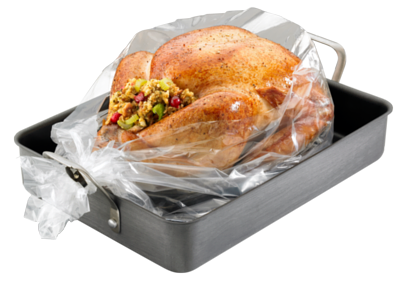
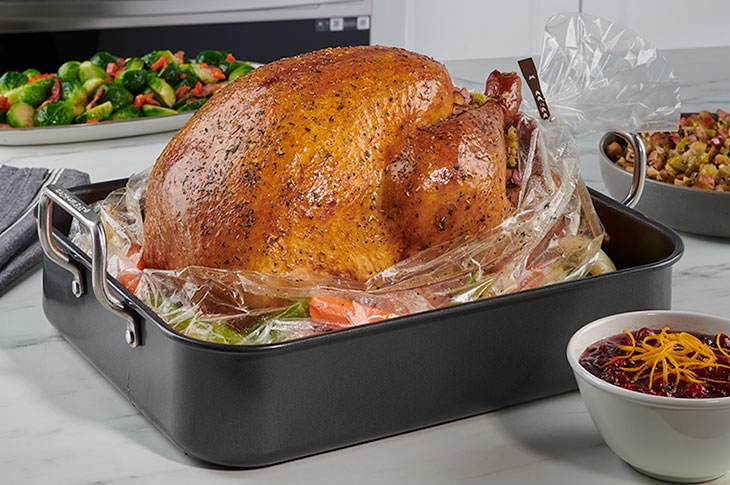
Oven bags are large and roomy to hold big roasts or poultry. They are usually rectangular or oval to fit in an oven pan. Slow cooker liners are shaped to fit snugly inside the round or oval slow cooker pot. Their size matches the specific slow cooker model.
Intended Uses
Oven bags are made for high heat cooking in ovens. They trap moisture and heat to cook food quickly. Slow cooker liners are designed for low and slow cooking. They protect the slow cooker pot from messes and make cleanup easier.
Material And Design Variations
Oven bags are made of heat-resistant nylon or polyester. They can withstand oven temperatures up to 400°F or higher. Slow cooker liners are usually made from thin, heat-safe plastic that handles lower temperatures around 200°F. Oven bags are thicker to hold juices without breaking. Slow cooker liners are thinner and fit tightly inside the pot.
:max_bytes(150000):strip_icc()/7193373-bea9ebc556cb44e297eb21756d75365b.jpg)
Credit: www.allrecipes.com
Risks Of Using Oven Bags In Slow Cookers
Using oven bags in a slow cooker might seem convenient, but it carries several risks. These bags are made for high heat in ovens, not the moist, low-heat environment of slow cookers. Misusing them can lead to problems with cooking results and safety. Understanding these risks helps avoid accidents and ruined meals.
Size And Shape Mismatch Issues
Oven bags are designed for roasting pans, not slow cookers. Their size often does not fit well inside slow cooker pots. This mismatch can cause the bag to fold or bunch up. Uneven cooking may happen because food is not spread out properly. The bag might touch the heating element or walls, increasing the risk of melting or burning.
Manufacturer Warnings
Most oven bag brands clearly state they are for oven use only. They warn against using bags in slow cookers due to temperature differences. Ignoring these warnings may void product warranties. It also raises the chance of harmful chemicals leaching into food. Following manufacturer guidelines keeps cooking safe and effective.
Safety Concerns
Oven bags contain materials that can break down at slow cooker temperatures. Prolonged heat exposure can cause the plastic to release toxins. This risks food contamination and health issues. There is also a fire hazard if bags melt or tear during cooking. Using bags not meant for slow cookers increases these dangers significantly.
How To Use Oven Bags In Slow Cookers Safely
Using oven bags in slow cookers can simplify cooking and cleanup. It helps keep the slow cooker clean and makes removing food easier. But safety is important to avoid melting or chemical release. Follow some simple steps to use oven bags safely in your slow cooker.
Choose bags made for high heat and avoid regular plastic bags. Cut the bag to fit your slow cooker without crowding. Keep the bag away from the slow cooker’s heating elements to prevent melting.
Tips From Experienced Users
Many users suggest placing the oven bag inside the slow cooker before adding food. Do not overfill the bag to allow steam to circulate. Seal the bag loosely to let steam escape and prevent bursting. Some add a tablespoon of flour inside the bag to stop it from bursting.
Use oven bags marked as safe for temperatures up to 400°F. Avoid using bags with metal ties; instead, use heat-safe clips. Check the bag during cooking for any signs of melting or damage.
Best Practices For Placement
Place the oven bag so it does not touch the slow cooker’s sides or heating element. Use a slow cooker insert or rack to keep the bag lifted if needed. Ensure the bag fits loosely to allow heat to move around the food evenly.
Avoid placing the bag directly on the bottom if the slow cooker has a heating coil there. Always place the lid securely but do not seal the bag completely; steam must escape safely.
Potential Limitations
Oven bags may not work well with very liquid dishes. Excess liquid can cause the bag to burst or leak. Some slow cookers run hotter, which might damage the bag or affect food quality.
Not all oven bags are designed for slow cooking. Some may release odors or chemicals if overheated. Test with small amounts before full use and watch cooking times closely to avoid issues.
Alternatives To Oven Bags For Slow Cooking
Oven bags are popular for roasting, but they are not always the best choice for slow cookers. Many cooks want easy cleanup and less mess. Several alternatives serve the same purpose without using oven bags. These options protect the slow cooker and keep food from sticking. They also help with even cooking and easy removal.
Some alternatives work better for dry dishes. Others suit wet or liquid recipes. Some are reusable, which makes them eco-friendly and cost-effective. Below are some simple options to try in your slow cooker.
Parchment Paper For Dry Dishes
Parchment paper works well for baking or dry slow cooker recipes. Line the slow cooker pot with parchment after spraying it lightly with oil. This stops food from sticking. Use it for cakes, breads, or fish. Parchment paper handles heat well but is not good for very wet dishes like soups or stews. It can get soggy and lose shape.
Reusable Silicone Liners
Silicone liners fit inside the slow cooker pot and are easy to clean. They last a long time and reduce waste. These liners handle heat safely and help cook food evenly. They also allow cooking two dishes in one pot if you have a multi-cooker. Silicone liners need an initial purchase but save time on cleaning later.
Slow Cooker Liners
Slow cooker liners are single-use plastic bags designed for slow cookers. Place food inside the liner, then set it in the pot. These liners make cleanup very easy. They work great for stews, soups, and large roasts. Removing the liner means less scrubbing. Some users find them more convenient than oven bags for slow cooking.
Other Household Options
Some cooks use wet paper towels inside the pot to reduce mess. This simple trick helps keep the cooker clean without liners. Aluminum foil can line the pot but should be used carefully. Acidic foods like tomatoes can react with foil during long cooking. Avoid standard plastic wrap as it can melt or release chemicals in heat. These household items can help but need caution and care.
Pros And Cons Of Slow Cooker Liners
Using slow cooker liners can change how you cook and clean. These liners fit inside your slow cooker pot. They help stop food from sticking and make cleanup quicker. But, liners also have some downsides. Consider both before choosing them for your kitchen.
Ease Of Cleanup
Slow cooker liners make cleanup very simple. After cooking, lift the liner and toss it away. This saves scrubbing and soaking time. Your slow cooker pot stays clean and ready to use. This is great for busy days or when you cook often.
Eco-friendly Options
Many liners are disposable, which can harm the environment. Some are made from plastic that does not break down easily. Look for reusable silicone liners as a better choice. They can be washed and used many times. This reduces waste and saves money in the long run.
Cost Considerations
Disposable liners are cheap but add up over time. Using them often means buying more and more. Reusable liners cost more at first. They save money later by lasting for years. Think about how often you cook before buying liners.
What To Avoid In Slow Cooker Liners
Choosing the right liners for your slow cooker is important for safety and cooking quality. Some materials can cause problems like melting, chemical release, or food contamination. Avoid these common liners to keep your slow cooker safe and your meals delicious.
Plastic Wrap Risks
Plastic wrap is not made for slow cooker heat. It can melt and stick to food or the cooker. Melting plastic may release harmful chemicals into your meal. Avoid using plastic wrap inside your slow cooker.
Aluminum Foil Cautions
Aluminum foil works with care but has limits. Acidic foods like tomatoes can react with foil. This reaction may change the food’s taste and color. Long cooking times can also cause foil to break down. Use aluminum foil only for short cooking or non-acidic dishes.
Unsuitable Materials
Some materials are never safe for slow cookers. Avoid wax paper, standard cling film, and plastic bags not labeled oven-safe. These can melt or catch fire. Only use liners made for slow cooking or heat resistance. Stick to trusted options like slow cooker liners or oven bags designed for this use.
User Experiences With Oven Bags In Slow Cookers
Many home cooks share their experiences using oven bags in slow cookers. These stories help others decide if this method suits their cooking style. The feedback varies, with some enjoying great results and others facing challenges. Understanding these user experiences gives practical insights into this cooking technique.
Success Stories
Some users praise oven bags for easy cleanup after slow cooking. They find the bags hold juices well and keep food moist. Large roasts cooked in oven bags often turn out tender and flavorful. The bags also prevent sticking, making serving simpler. Many appreciate how the bags reduce the mess inside their slow cooker.
Common Problems
Others report issues like bags breaking or melting during cooking. Thin or low-quality bags may not withstand long heat exposure. Some food flavors can stick to the plastic, affecting taste. Steam buildup inside the bag sometimes causes it to burst. Users warn about possible chemical leaching if bags are not designed for slow cooking.
Community Recommendations
Cooks suggest using only oven bags labeled as oven-safe or slow cooker safe. They recommend avoiding regular plastic bags or wraps. Some advise placing the bag inside a slow cooker liner for extra protection. Others prefer reusable silicone liners for safety and eco-friendliness. Many in online groups encourage testing a bag on low heat first to avoid surprises.
Credit: www.pansaver.com
Credit: www.reynoldsbrands.com
Conclusion
Oven bags can work in slow cookers, but use caution. Choose bags labeled safe for slow cooking. They help keep food moist and make cleanup easier. Avoid regular plastic wraps or bags not made for heat. Alternatives like parchment paper or silicone liners suit different recipes.
Always follow the bag instructions to avoid melting or chemicals. Using the right bag improves your cooking experience. Experiment carefully to find what fits your slow cooker best. Cooking safely brings better meals and less mess.