
Yes—you can make bone broth in a slow cooker, and it’s one of the easiest ways to get rich, gel-like broth with deep flavor. Most batches simmer best for 12–24 hours on LOW, depending on the bones and how concentrated you want it.
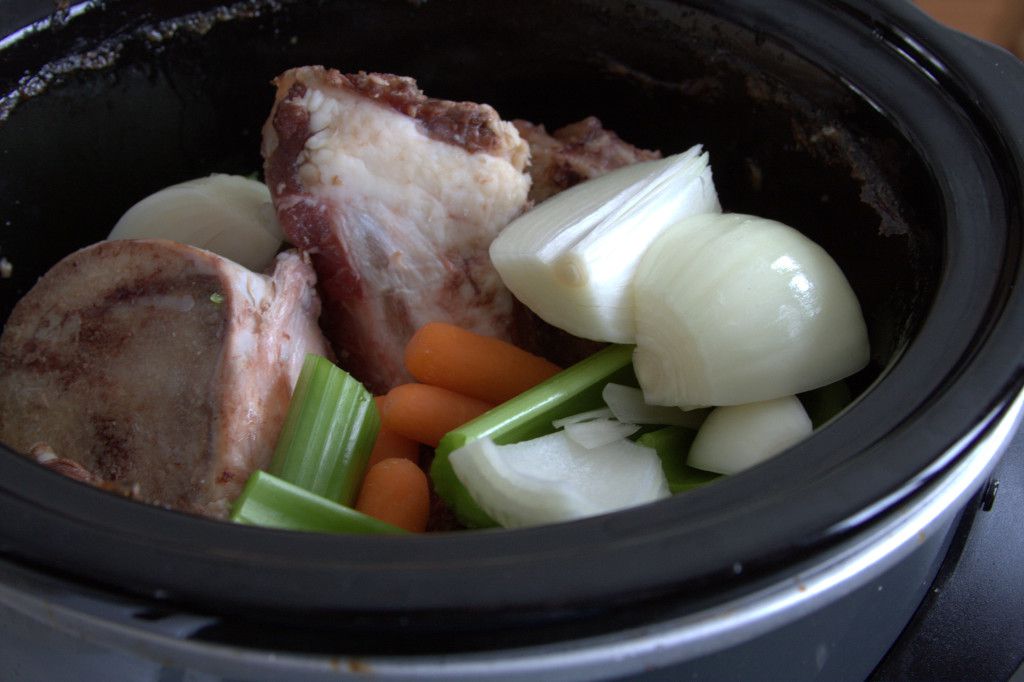
Roast the bones first for extra depth, then cover with water and add vinegar, onions, garlic, and celery. Skim foam early, keep the lid on, and strain at the end—then chill so you can lift off the hardened fat before storing or freezing.
Credit: goodiegodmother.com
Benefits Of Slow Cooker Bone Broth
Making bone broth in a slow cooker offers many advantages. It allows for a gentle and steady cooking process. This method brings out the best flavors and nutrients from the bones. The slow cooker also makes the whole process easy and hands-off. It fits well into busy daily routines. Below are some key benefits of using a slow cooker for bone broth.
Long, Low Simmer Advantages
The slow cooker keeps the broth at a low temperature for many hours. This long, slow simmer breaks down bones and connective tissues well. It helps release minerals and collagen into the broth. The gentle heat prevents boiling, which can reduce flavor and nutrients. This method gives a richer and more flavorful broth.
Nutrient Extraction And Gelatin Content
Slow cooking extracts more nutrients from bones than quick methods. Minerals like calcium, magnesium, and phosphorus dissolve into the broth. Collagen turns into gelatin, which thickens the broth. Gelatin supports joint health and digestion. The broth becomes nourishing and easy to digest. This makes it a great health boost.
Ease And Convenience
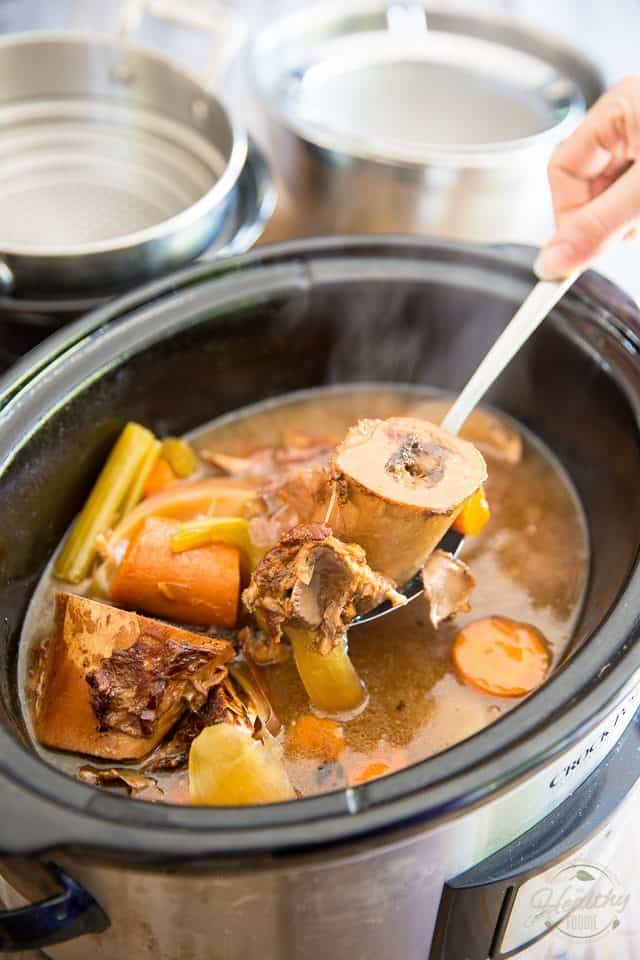
A slow cooker requires little attention during cooking. Simply add bones, water, and seasonings, then set the timer. The slow cooker will cook the broth for hours without needing stirring. This frees up time for other tasks. It also works well for overnight cooking. The slow cooker is a stress-free way to make bone broth.
Credit: thehealthyfoodie.com
Essential Ingredients For Bone Broth
Making bone broth in a slow cooker is simple and rewarding. The right ingredients make all the difference. Essential ingredients bring out deep flavors and nutrients. Knowing what to use helps you create a rich, healthy broth. Below are the key ingredients to prepare before starting your slow cooker bone broth.
Types Of Bones To Use
Choose bones with marrow and connective tissue for rich broth. Beef, chicken, pork, or lamb bones work well. Use joint bones, knuckles, and neck bones for more gelatin. Roasting bones first adds extra flavor and color. Avoid bones with too much meat left, which can cloud the broth.
Vegetables And Aromatics
Add vegetables to boost flavor and nutrients. Common choices include carrots, celery, and onions. Garlic and leeks give a nice aromatic touch. Fresh herbs like parsley, thyme, or bay leaves enhance taste. Avoid starchy vegetables like potatoes to keep broth clear.
Adding Vinegar And Seasoning
Vinegar helps extract minerals from the bones. Use apple cider vinegar or white vinegar. Add 1-2 tablespoons before cooking starts. Season lightly with salt and pepper after broth finishes. Over-seasoning early can reduce broth clarity. Taste and adjust seasoning at the end.
Step-by-step Slow Cooker Bone Broth
Making bone broth in a slow cooker is simple and rewarding. This method allows the bones to simmer gently over many hours, extracting maximum flavor and nutrients. Follow these clear steps to create a rich and healthy bone broth at home.
Preparing The Bones
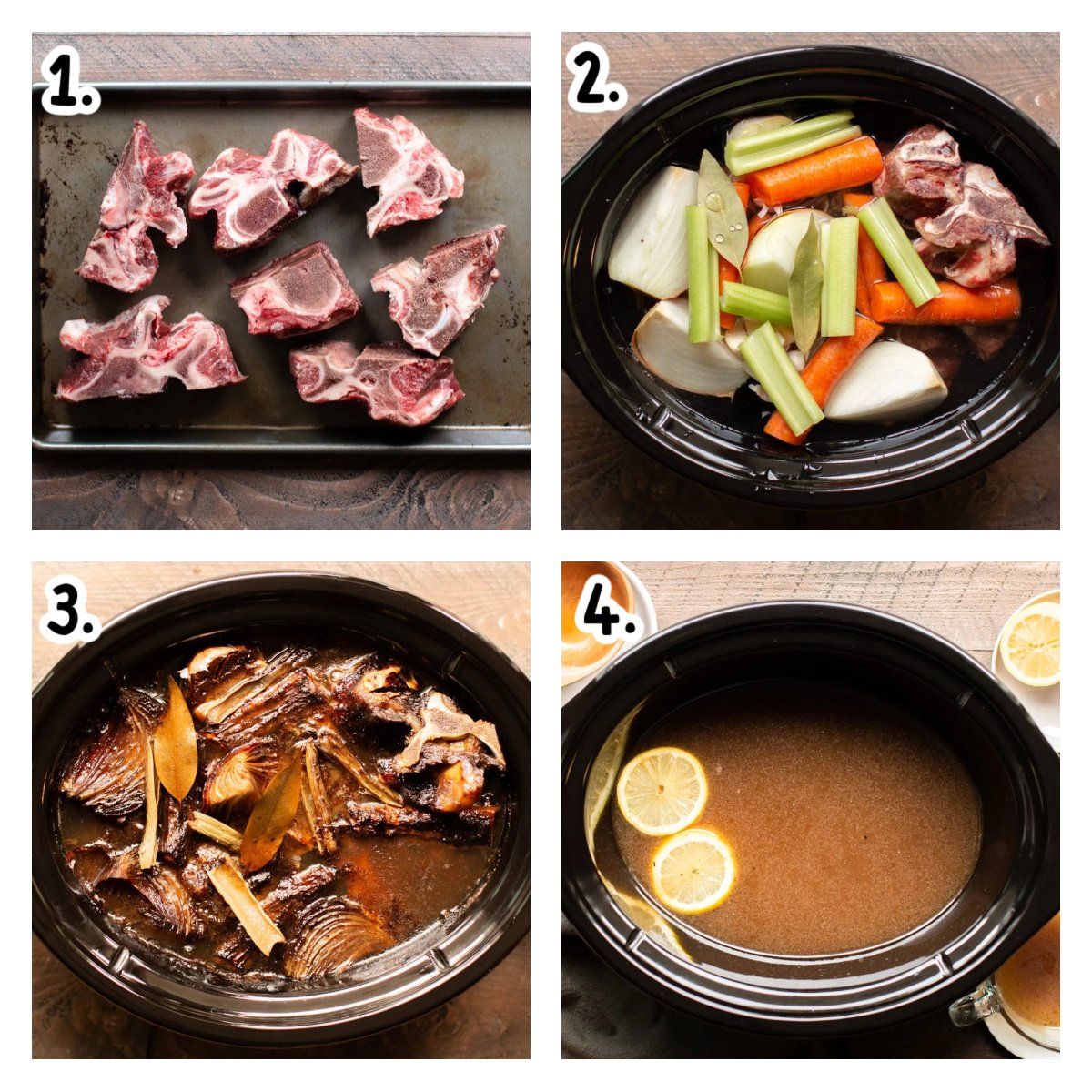
Start with quality bones from beef, chicken, or other animals. Roast them in the oven at 400°F for 30 minutes to deepen the flavor. Rinse the bones under cold water to remove any residue. Place the bones in the slow cooker pot. Add vegetables like carrots, celery, and onions for extra taste.
Setting Up The Slow Cooker
Fill the slow cooker with filtered water until the bones are fully covered. Add a splash of apple cider vinegar to help extract minerals. Do not overfill; leave some space at the top. Cover the slow cooker with its lid securely. Choose a quiet spot in your kitchen to let it cook undisturbed.
Cooking Time And Temperature
Set the slow cooker to the low setting for best results. Cook the broth for 12 to 24 hours for deep flavor and nutrition. Avoid the high setting to prevent boiling and burning. Check occasionally to ensure there is enough water. Skim off any foam or impurities that rise to the surface.
Signs Of Overcooked Bone Broth
Bone broth is a nourishing and flavorful staple in many kitchens. Using a slow cooker makes the process easy and hands-off. Yet, cooking bone broth too long can cause problems. Knowing the signs of overcooked bone broth helps you get the best results. Watch for changes in flavor, smell, texture, and appearance. These clues tell you when to stop cooking and enjoy your broth at its best.
Changes In Flavor And Smell
Overcooked bone broth often tastes bitter or sour. The rich, meaty flavor fades and may turn “off” or unpleasant. The smell changes too, becoming sharp or funky. Fresh broth has a warm, savory aroma. If the scent turns sour or off-putting, the broth is likely overcooked. Trust your nose and taste buds to detect these shifts.
Texture And Appearance Clues
Good bone broth has a clear but rich color and a silky texture. When overcooked, the liquid may look dull or cloudy. It can lose volume due to evaporation. The bones become very soft but not burnt or crumbly. Too long in the slow cooker can cause the broth to lose its jelly-like richness. Watch the texture closely to avoid this.
When To Stop Cooking
Stop cooking when the broth has a deep color and a savory smell. The taste should be rich and full without bitterness. Typically, 12 to 24 hours on low heat is enough in a slow cooker. Using the low setting prevents boiling and scorched flavors. Check the broth occasionally. Pull the plug when it reaches a balanced flavor and aroma.
Handling Overcooked Broth
Overcooking bone broth in a slow cooker can happen if it simmers too long. This may cause the broth to develop a bitter or off flavor. The smell might turn sour, and the texture can become less appealing. Handling overcooked broth properly helps you still enjoy its benefits. Small fixes can improve taste, clarity, and usefulness.
Tasting And Adjusting Flavor
Start by tasting the broth carefully. If it tastes bitter, add a small amount of salt or a splash of acid like lemon juice. This balances flavors and cuts bitterness. Sweetness from a pinch of sugar can also help. Avoid adding too much at once. Adjust slowly and keep tasting.
Straining For Clarity
Overcooked broth may look cloudy or have floating bits. Strain it through a fine mesh sieve or cheesecloth. This removes any impurities and small particles. Clear broth looks more appetizing and feels lighter. Cooling the broth first helps fat solidify, making it easier to remove the top layer.
Repurposing Overcooked Broth
Use overcooked broth in recipes that need strong flavor. It works well in stews, sauces, or gravies where other ingredients soften harsh notes. You can also freeze the broth and add it to cooked dishes later. This reduces waste and adds nutrition to meals.
Safety Tips For Slow Cooker Broth
Making bone broth in a slow cooker is simple and convenient. It allows bones to simmer slowly, releasing nutrients and flavor. Safety is important to avoid foodborne illness and ensure tasty broth. Follow these key safety tips while preparing broth in your slow cooker.
Using Proper Slow Cooker Settings
Set your slow cooker to the correct temperature. Use the “low” setting to cook broth gently over many hours. Avoid “high” settings because they can cause the broth to boil too fast. Boiling may evaporate liquid and burn the bones. Keep the lid closed to maintain steady heat and prevent contamination. Check the manual for your slow cooker’s specific temperature ranges.
Avoiding Contamination
Always start with clean bones and fresh ingredients. Rinse bones under cold water before adding them to the cooker. Wash your hands and utensils thoroughly. Avoid adding raw meat or vegetables that might spoil easily. Keep the slow cooker and surrounding surfaces clean. Never leave broth at room temperature for long periods. Bacteria grow quickly in warm, moist environments.
Storage And Refrigeration
Cool the broth quickly after cooking to stop bacterial growth. Pour broth into shallow containers to speed cooling. Store broth in the refrigerator if you plan to use it within a few days. For longer storage, freeze the broth in airtight containers or freezer bags. Label containers with the date to keep track. Reheat broth thoroughly before eating to kill any bacteria.
Foods To Avoid In Slow Cookers
Using a slow cooker for bone broth is popular and convenient. Knowing which foods to avoid in slow cookers helps ensure the best results. Some ingredients do not react well to long, slow cooking. They can change texture, flavor, or even spoil the dish. Avoiding these foods improves your bone broth’s taste and quality.
Lean Meats And Fish
Lean meats and fish cook quickly and can dry out in slow cookers. They become tough or mushy after long cooking. Fish also can produce a strong, unpleasant smell. These proteins are better cooked quickly on the stove or oven. Use bones and tougher cuts for slow cooking instead.
Dairy, Pasta, And Rice
Dairy products often curdle or separate in slow cookers. Milk, cream, and cheese do not hold up well to long heat. Pasta and rice can turn mushy and absorb too much liquid. They may overcook and spoil the broth’s texture. Add these ingredients near the end of cooking or cook them separately.
Delicate Vegetables And Alcohol
Delicate vegetables like spinach, peas, and zucchini break down too much in slow cookers. They become slimy or lose their flavor. Alcohol loses its taste and can leave a harsh note after long cooking. Add delicate veggies and alcohol late or after slow cooking finishes for best flavor.
Credit: www.themagicalslowcooker.com
Conclusion
Making bone broth in a slow cooker is simple and effective. The slow cooker gently simmers bones, extracting rich flavor and nutrients. It saves time and requires little attention. Watch the cooking time to avoid bitter taste or unpleasant smell.
Use low heat to keep the broth clear and tasty. Trust your senses to know when the broth is ready. Enjoy this nourishing broth in soups, stews, or on its own. Slow cooker bone broth is a convenient way to add healthy goodness to meals.