
It’s best not to put a frozen roast straight into a slow cooker, because it can take too long to heat through and may sit at low temperatures while the center thaws. Slow cookers work best when the meat starts fully thawed, so it heats evenly and safely from edge to center.
For the best results, thaw the roast in the refrigerator first, then slow cook as usual with broth, onions, and seasonings. If you’re short on time, use a pressure cooker or cook the roast on the stovetop or in the oven until it’s thawed and hot, then transfer it to the slow cooker to finish tender.
Credit: imhungryforthat.com
Cooking Frozen Roast In Slow Cooker
Cooking a frozen roast in a slow cooker saves time and simplifies meal prep. You can place the roast directly into the slow cooker without thawing it first. This method requires some adjustments to ensure the meat cooks evenly and stays tender. Slow cooking frozen meat lets flavors blend well over time, making a delicious and easy dish.
Directly Placing Frozen Roast
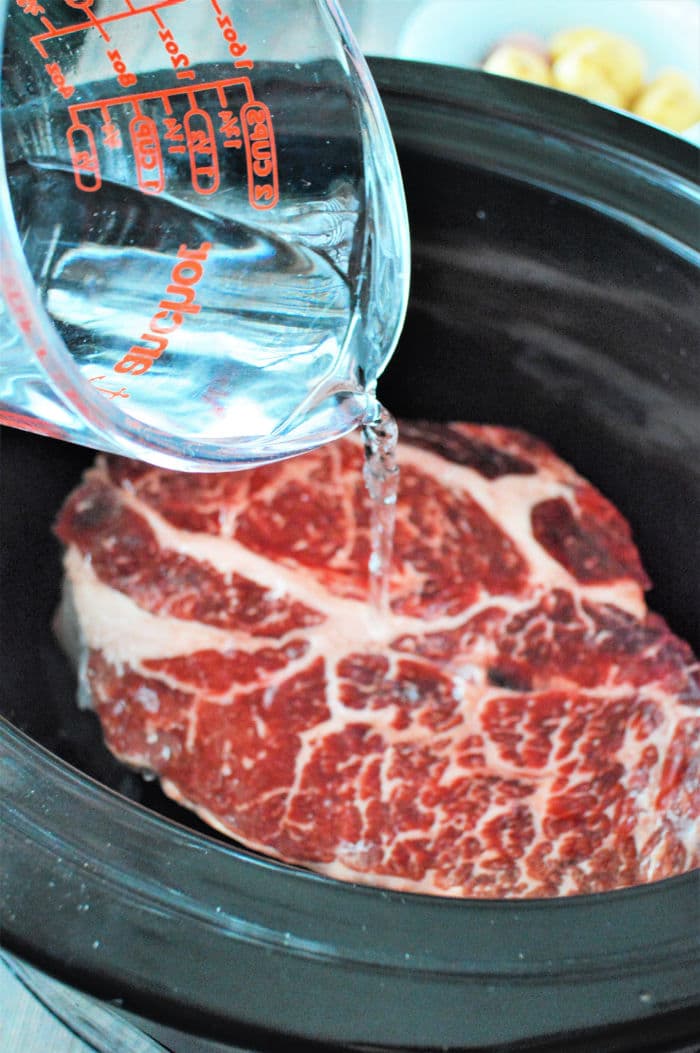
Put the frozen roast straight into the slow cooker. Do not add it while still in plastic wrap. Place the roast on top of any vegetables or broth for even heat. Avoid overcrowding the slow cooker to allow proper cooking. The slow cooker heats gradually, so the roast will defrost and cook slowly.
Adjusting Cooking Time
Cooking frozen roast takes longer than thawed roast. Add at least 1 to 2 hours to the usual cooking time. Use a meat thermometer to check the internal temperature. The roast is safe when it reaches 145°F (63°C) or higher. Cooking on low heat is best to ensure the roast becomes tender.
Adding Vegetables And Broth
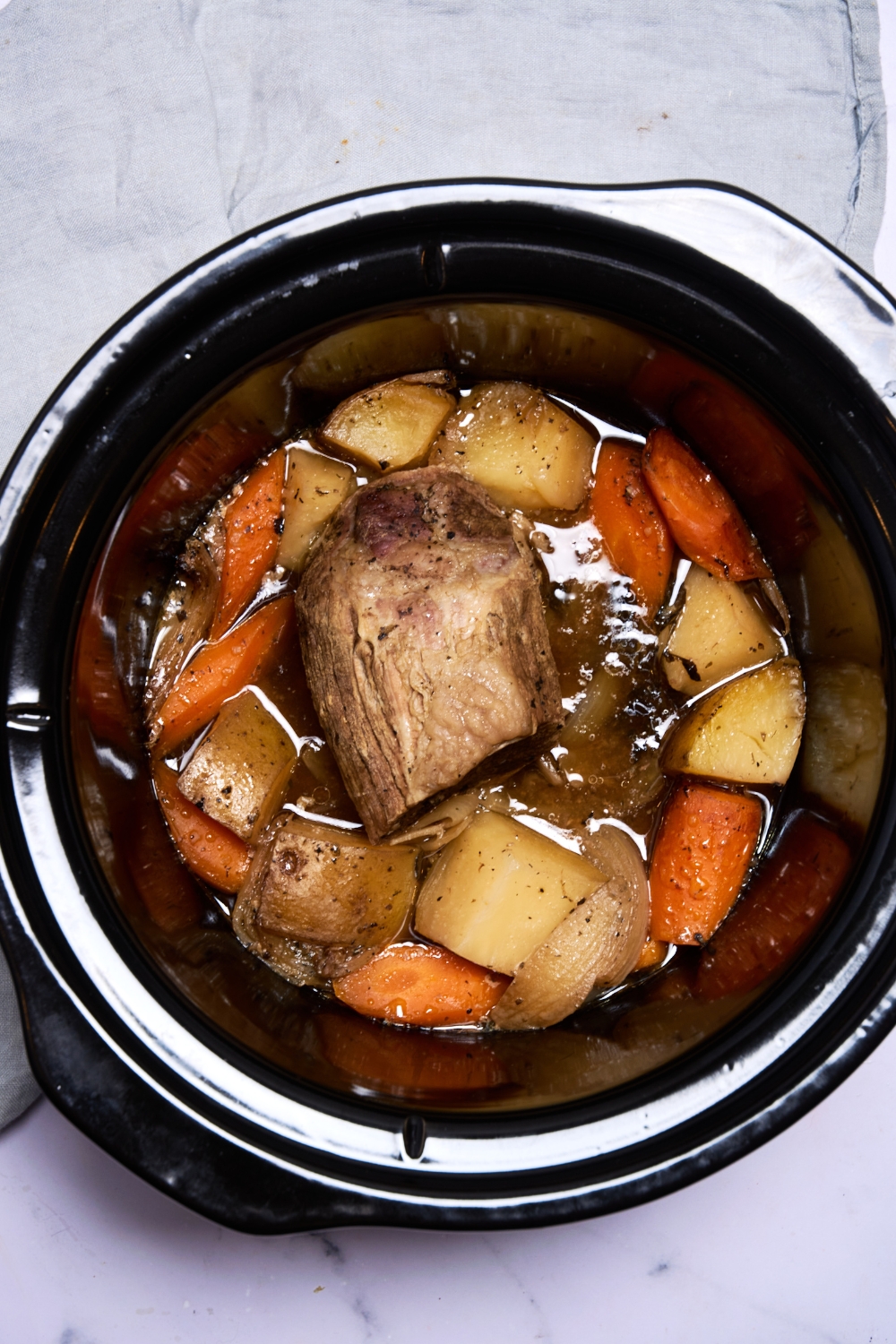
Add vegetables like carrots, potatoes, and onions around the roast. Pour in broth or water to keep the meat moist. The liquid helps create steam, which cooks the roast evenly. Vegetables absorb flavors and become soft during the slow cooking process. Make sure the liquid covers at least half of the roast.
Seasoning Tips
Season the roast before cooking with salt, pepper, and herbs. Use garlic powder, rosemary, or thyme for extra flavor. You can also add onion soup mix or beef bouillon for richness. Seasoning the roast while frozen works, but rub the spices on the surface well. Adjust seasoning after cooking if needed.
Risks Of Cooking Frozen Roast
Cooking a frozen roast in a slow cooker might seem convenient. It saves time on thawing. Still, it carries some risks that affect food safety and quality. Understanding these risks helps avoid problems during cooking.
Food Safety Concerns
Starting with a frozen roast means the meat stays cold longer. This delay can allow harmful bacteria to grow. Slow cookers heat food slowly. The roast may stay too long at unsafe temperatures. This increases the chance of foodborne illness.
Temperature Danger Zone
The temperature danger zone is between 40°F and 140°F. Bacteria multiply quickly in this range. A frozen roast takes time to reach a safe temperature above 140°F. During this slow rise, bacteria can grow on the surface and inside the meat. This risk is higher than with thawed meat.
Uneven Cooking Issues
Frozen roasts may cook unevenly in a slow cooker. The outside can cook faster than the inside. This causes some parts to be overcooked and dry. Meanwhile, the inside may stay undercooked or cold. Uneven cooking affects taste and safety.
Usda Recommendations
The USDA provides clear guidelines on cooking meat safely. These rules help prevent foodborne illnesses. Following them is key when using a slow cooker. Understanding these recommendations ensures your roast is both tasty and safe to eat.
Thawing Before Slow Cooking
The USDA advises thawing meat before slow cooking. Cooking frozen meat in a slow cooker can keep it too long at unsafe temperatures. This allows bacteria to grow. Thaw your roast in the refrigerator for best results. This keeps the meat at a safe, even temperature.
If you are short on time, use the microwave or cold water thawing methods. Always cook the meat immediately after thawing with these faster ways. Avoid cooking frozen meat directly in the slow cooker to reduce health risks.
Safe Handling Practices
Wash your hands and surfaces often when handling raw meat. Keep raw meat separate from other foods to prevent cross-contamination. Use clean utensils and cutting boards for meat preparation.
Always use a food thermometer to check the roast’s internal temperature. The USDA recommends cooking beef roasts to at least 145°F (63°C). Let the meat rest for three minutes before carving or eating. This step kills harmful germs and improves safety.
Alternatives To Cooking Frozen Roast
Cooking a frozen roast directly can be tricky. It takes longer and might not cook evenly. Many cooks use methods to prepare the roast before slow cooking. These methods help improve flavor and reduce cooking time. Let’s explore some easy alternatives to cooking a frozen roast in a slow cooker.
Searing Before Slow Cooking
Searing means browning the roast on all sides in a hot pan. This step adds a rich, deep flavor. It also helps lock in juices. Sear the roast for about 3-4 minutes per side. After searing, place it in the slow cooker with your ingredients. This method improves taste and texture. It also reduces the slow cooking time slightly.
Partial Microwave Thawing
Using a microwave to thaw the roast partially is quick and safe. Set the microwave to a low power or defrost mode. Heat the roast for short intervals, like 2-3 minutes at a time. Check the roast often to avoid cooking it. Partial thawing helps the roast cook more evenly in the slow cooker. It also cuts down the total cooking time.
Using Instant Pot For Frozen Roast
The Instant Pot is great for cooking frozen roasts fast. It uses pressure to cook meat quickly and evenly. Add the frozen roast and some liquid to the pot. Seal the lid and set to high pressure. Cooking time is usually under an hour. This method saves time and keeps the meat tender. After pressure cooking, you can transfer the roast to a slow cooker if desired.
Tips For Best Results
Cooking a frozen roast in a slow cooker can be simple with the right approach. Small steps make a big difference in how the roast turns out. Follow these tips to get tender, juicy meat every time.
Using A Lid To Trap Steam
Always cover the slow cooker with its lid. The lid traps steam and heat inside. This helps cook the roast evenly. It also keeps the outside from drying out. Avoid lifting the lid often, as heat escapes. A tight lid ensures a moist and flavorful roast.
Monitoring Internal Temperature
Check the roast’s internal temperature using a meat thermometer. This ensures the roast is fully cooked and safe to eat. Aim for at least 145°F (63°C) for beef. Insert the thermometer into the thickest part of the meat. Regular checks help avoid overcooking or undercooking.
Resting The Roast After Cooking
Let the roast rest for 10 to 15 minutes after cooking. Resting allows juices to spread throughout the meat. This makes the roast tender and juicy. Cover it loosely with foil while resting. Cutting too soon can cause the juices to run out.
Other Cooking Methods For Frozen Roast
Cooking a frozen roast does not limit you to just the slow cooker. Several other methods work well and deliver tasty results. These alternatives offer variety in cooking time and flavor, fitting different kitchen setups and schedules.
Oven Roasting From Frozen
Oven roasting a frozen roast is simple and effective. Preheat the oven to a low temperature, around 325°F (163°C). Place the frozen roast in a roasting pan. Add broth or water to keep it moist. Cover the pan with foil to trap steam. Roast slowly, allowing more time than usual. Check the internal temperature with a meat thermometer. Aim for 145°F (63°C) for medium-rare or higher for well done. This method creates a tender, juicy roast with a nice crust.
Dutch Oven Technique
The Dutch oven is perfect for cooking a frozen roast with rich flavors. Start by preheating the oven to 300°F (149°C). Season the frozen roast with spices or a dry rub. Place it inside the Dutch oven. Add broth, garlic, and herbs around the meat. Cover the pot tightly with its lid. Cook slowly for several hours, allowing the meat to become tender. This technique locks in moisture and infuses the roast with deep flavors. It also requires less attention during cooking.
Instant Pot Cooking
The Instant Pot offers a quick solution for frozen roasts. Add one to two cups of liquid, such as broth or water, into the pot. Place the frozen roast on the trivet inside. Seal the lid and set the pressure cooker to high. Cooking time varies but usually takes about 60 to 90 minutes. Let the pressure release naturally for best results. The Instant Pot cooks the roast evenly and fast. It also preserves the meat’s juices and tenderness.
Recipe Ideas
Cooking a frozen roast in a slow cooker opens many delicious possibilities. Recipes with simple ingredients bring out rich flavors. These ideas save time and effort, perfect for busy days. Each dish combines tender meat and tasty sides. Try these recipes for easy and satisfying meals.
Slow Cooker Roast Beef With Vegetables
Place the frozen roast in the slow cooker. Add chopped carrots, potatoes, and onions around the meat. Pour beef broth over everything to keep it moist. Season with salt, pepper, and garlic powder. Cook on low for 8 to 10 hours. The vegetables absorb the meat’s flavor and become tender. Serve hot with a side of bread.
Chuck Roast With Broth And Herbs
Put the frozen chuck roast in your slow cooker. Pour in beef broth to cover the bottom. Add fresh herbs like rosemary and thyme for aroma. Sprinkle salt and pepper over the roast. Cook on low for 10 hours for best results. The broth keeps the meat juicy and soft. This simple recipe highlights the natural flavor of beef.
Onion Soup Mix Roast
Place the frozen roast in the slow cooker. Sprinkle a packet of onion soup mix over the top. Add a little water or broth to moisten the mix. Cook on low for 8 to 10 hours. The soup mix creates a savory sauce while the meat cooks. This easy recipe requires minimal prep but tastes rich and hearty.

Credit: www.youtube.com
Credit: temeculablogs.com
Conclusion
Cooking a frozen roast in a slow cooker is possible but needs care. Always add enough liquid and keep the lid on tight. Expect longer cooking times than thawed meat. Use a meat thermometer to check safety before serving. Rest the roast after cooking for better taste and texture.
This method saves time and keeps cooking simple. Enjoy tender, flavorful roast with less prep work.