
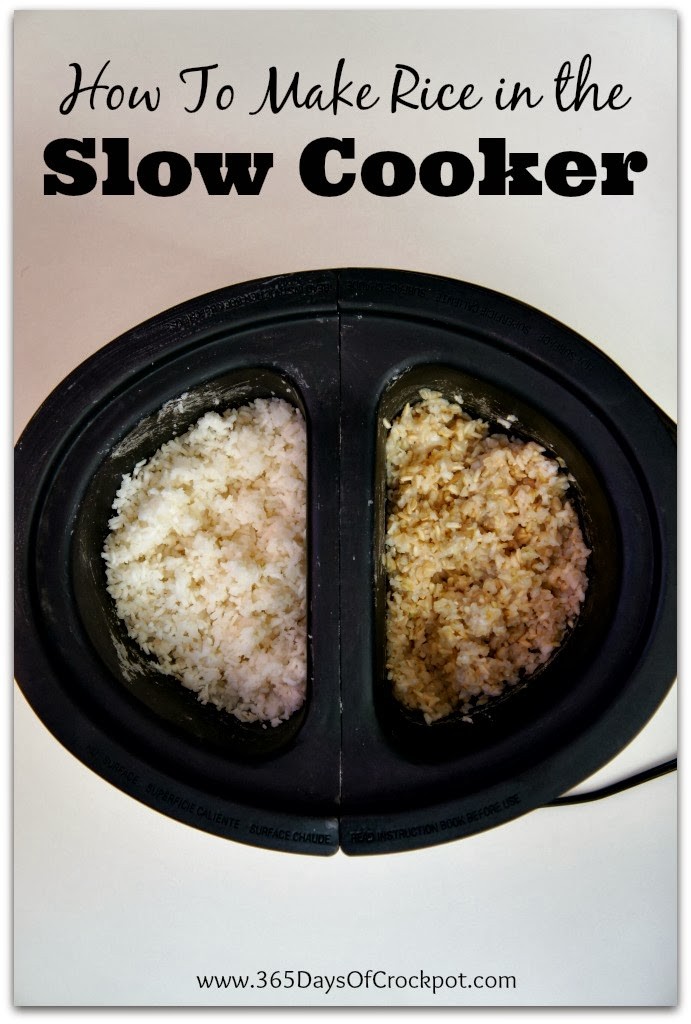
Yes—you can use a slow cooker as a rice cooker, and it’s a handy option when you don’t have a dedicated rice maker. Most white rice cooks in 2–3 hours on HIGH or 3–4 hours on LOW, turning fluffy once the liquid is absorbed and the grains are tender.
Rinse the rice first, then use about 1½–2 cups of water or broth per cup of rice and lightly grease the insert to prevent sticking. Keep the lid closed, stir once near the end, and let it rest 10 minutes so the rice finishes steaming and separates nicely.
Credit: www.365daysofcrockpot.com
Slow Cooker Basics
Understanding slow cooker basics is important before using it for cooking rice. Slow cookers cook food slowly over low heat. They are perfect for recipes that need time to develop flavors.
Using a slow cooker as a rice cooker depends on how it works and what it is designed for. Let’s explore the basic functions and uses of slow cookers.
How Slow Cookers Work
Slow cookers use low, steady heat to cook food over several hours. They have a heating element around a ceramic or metal pot. This pot holds the food and keeps heat even.
The heat is gentle, so food cooks slowly and stays moist. The lid traps steam and heat inside, which helps tenderize ingredients. Slow cookers are great for breaking down tough cuts of meat or softening vegetables.
Common Uses
Slow cookers are commonly used for soups, stews, and chili. They work well for braising meats and making casseroles. Many people use them for cooking beans and lentils without soaking first.
Slow cookers can also prepare breakfast dishes like oatmeal or egg casseroles. They save time by allowing hands-off cooking. This makes them perfect for busy days or meal prep.
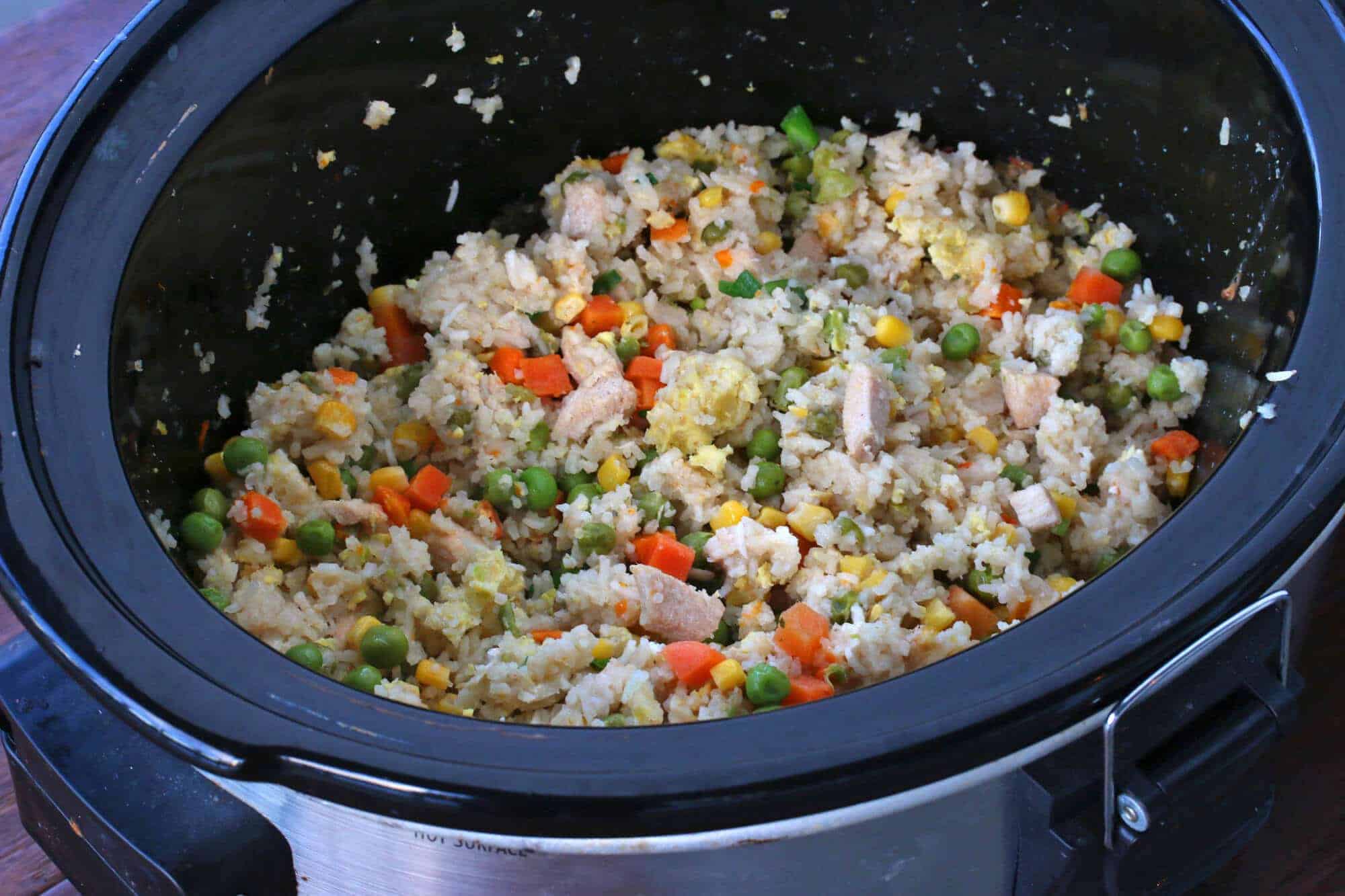
While slow cookers are versatile, cooking rice in them is less common. Rice needs precise heat and timing. Still, slow cookers can cook rice if you adjust water and cooking time carefully.
Credit: www.daringgourmet.com
Rice Cooker Essentials
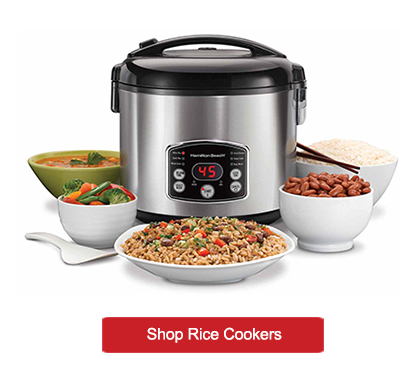
Rice cookers are simple devices made to cook rice perfectly every time. They take the guesswork out of cooking rice. You just add rice and water, press a button, and wait.
Rice cookers also keep rice warm after cooking. This feature helps serve rice fresh and hot. Many models have special settings for different types of rice or grains.
Design And Function
A rice cooker has a heat source and a removable inner pot. The inner pot is non-stick and easy to clean. Sensors inside detect when the rice is cooked by measuring temperature.
The cooker switches from cooking to warming mode automatically. This process ensures rice does not burn or dry out. The lid is usually tight-fitting to keep steam inside.
Why Rice Cookers Excel
Rice cookers provide consistent heat and moisture control. This balance creates fluffy, well-cooked rice every time. They require minimal attention, making cooking easier and faster.
The precise temperature control prevents overcooking or undercooking. Rice cookers also save energy compared to stovetop cooking. Their compact size fits well in small kitchens.
Using A Slow Cooker For Rice
Using a slow cooker for rice offers a simple and hands-free way to prepare this staple food. It allows rice to cook slowly and evenly without much attention. This method works well for many rice types and creates a tender, fluffy texture. Slow cookers are especially useful when you want to cook rice along with other ingredients in one pot. Understanding how to use your slow cooker for rice can help you enjoy perfectly cooked rice every time.
Step-by-step Cooking Process
Start by rinsing the rice under cold water until the water runs clear. Add the rinsed rice into the slow cooker pot. Pour in the correct amount of water or broth. Close the lid securely to keep steam inside. Set the slow cooker to low heat for about 2 to 3 hours. Check the rice near the end to avoid overcooking. Fluff the rice gently with a fork before serving.
Rice Types Suitable For Slow Cooking
Long-grain rice like basmati cooks well in a slow cooker. Medium-grain rice also works but may be softer. Short-grain rice can become sticky, so watch cooking time closely. Brown rice needs more water and longer cooking time. Wild rice can be cooked but requires even more water and time. Avoid instant or pre-cooked rice as they may become mushy.
Water-to-rice Ratio Tips
The standard ratio is 2 cups of water for 1 cup of white rice. For brown rice, use about 2.5 cups of water per cup of rice. Add a little less water if you want firmer rice. Too much water can make rice mushy and sticky. Adjust water based on the rice type and your slow cooker model. Always check the rice texture before serving to ensure it’s just right.
Comparing Results
Using a slow cooker as a rice cooker is possible but yields different results. Understanding these differences helps set the right expectations for your meal. Here is a detailed comparison of the texture, flavor, and cooking time variations between the two methods.
Texture And Flavor Differences
Rice cooked in a slow cooker tends to be softer and sometimes slightly mushy. This happens because the slow cooker uses low, steady heat over a long time. Rice cookers, on the other hand, produce fluffy and separate grains. They use precise temperature control and timed cooking. The flavor in slow cooker rice can be milder since it absorbs more water. Rice cookers keep the natural taste more distinct. For sticky or sushi rice, a rice cooker is better at achieving the right texture.
Cooking Time Variations
Slow cookers take much longer to cook rice, often 2 to 4 hours depending on the setting and rice type. Rice cookers usually finish cooking in 20 to 40 minutes. Slow cooker rice requires more patience and planning. The cooker’s low heat means it cannot speed up the process. Rice cookers use high heat and sensors to stop cooking at the perfect time. This saves energy and prevents overcooking. Slow cookers are best for hands-off, long cooking but not for quick rice meals.
Advantages Of Slow Cooker Rice
Cooking rice in a slow cooker offers several benefits. It makes meal preparation easier and less stressful. Rice cooks evenly and stays warm for a long time. This method suits busy people or those who want simple cooking steps. Below are some clear advantages of slow cooker rice.
Hands-off Cooking
Slow cookers require little attention during cooking. You add rice and water, then set the timer. The slow cooker handles the rest. No need to watch the pot or stir constantly. This frees up time to do other tasks. It reduces the risk of burning or overcooking rice. Perfect for people with busy schedules or beginners in the kitchen.
Versatility With Other Dishes
Slow cookers do more than cook rice. You can prepare soups, stews, and casseroles alongside rice. This saves space and reduces cleanup. Cooking rice with other ingredients enhances flavors and saves time. The slow cooker adapts to many recipes, making it a useful kitchen tool. It helps create complete meals without extra pots or pans.
Drawbacks Of Slow Cooker Rice
Using a slow cooker to make rice is possible but comes with some drawbacks. The process is different from using a rice cooker, and the results may not always be ideal. Understanding these limitations can help you decide if a slow cooker fits your needs for cooking rice.
Longer Cooking Times
Slow cookers take more time to cook rice than rice cookers. It can take several hours to get the rice soft and fully cooked. This long cooking time may not suit busy schedules or quick meals. Slow cooking is gentle but slow, which means you need to plan ahead.
Potential For Overcooking
Rice can easily become overcooked in a slow cooker. The heat is constant and low, which can turn rice mushy if left too long. Slow cookers lack the automatic shut-off feature found in rice cookers. This means you must watch the cooking time carefully to avoid a soggy texture.
Alternatives To Rice Cookers
Rice cookers are handy, but many kitchens do not have one. Several easy alternatives exist for cooking rice well. These options use common kitchen tools and appliances. Each method offers a simple way to prepare rice without special equipment.
Stovetop Method
Use a pot with a tight-fitting lid for stovetop rice. Rinse rice first to remove excess starch. Add water in the right ratio, usually one part rice to two parts water. Bring water to a boil, then reduce heat to low. Cover and simmer until water absorbs and rice is tender. Let rice rest off heat for a few minutes. Fluff with a fork before serving. This method works well for most types of rice.
Instant Pot And Multi-cookers
Instant Pots and multi-cookers have rice cooking functions. Use the “Rice” preset or manual pressure cook for fast results. These appliances cook rice evenly and keep it warm. They also offer slow cooker and sauté modes for versatile cooking. You can make soups, stews, and steam vegetables with them too. Multi-cookers save space by replacing several kitchen tools.
Electric Kettle And Makeshift Steamers
An electric kettle can boil water quickly for some rice types. Pour boiling water over rice in a bowl and cover tightly. Let it sit to absorb water and cook gently. Another trick is to create a steamer using a pot of boiling water and a perforated lid or foil. Place rice in a heatproof bowl above the water steam. This method works well for sticky or glutinous rice varieties. It is a simple option if no rice cooker or pot is available.
Foods To Avoid In Slow Cookers
Using a slow cooker to prepare meals can be convenient. Yet, not all foods work well in this appliance. Some ingredients lose texture or flavor during the long cooking process. Others might not cook evenly or could spoil. Knowing which foods to avoid helps make your slow cooker meals better.
Delicate Vegetables And Dairy
Delicate vegetables like spinach, zucchini, and peas cook too fast in a slow cooker. They become mushy and lose their color. Dairy products such as milk, cream, and cheese can curdle or separate when heated for hours. It is best to add these ingredients near the end of cooking.
Lean Meats And Fish
Lean meats like chicken breast and fish fillets dry out quickly in a slow cooker. They need shorter cooking times and higher heat to stay tender. Using them in slow cookers often results in tough, rubbery textures. Choose tougher cuts of meat for better results.
Frozen Ingredients And Alcohol
Adding frozen ingredients to a slow cooker can cause uneven cooking. The inside stays cold while the outside heats up. This may increase the risk of bacteria growth. Alcohol evaporates slowly in slow cookers, leaving a strong taste. It can also affect cooking times and flavors.
Tips For Better Slow Cooker Rice
Cooking rice in a slow cooker can be simple and rewarding. Small steps improve texture and taste. Follow these tips for better slow cooker rice results.
Rinsing And Soaking Rice
Rinse rice under cold water until the water runs clear. This removes extra starch and prevents stickiness. Soaking rice for 20 to 30 minutes softens grains and helps even cooking. Drain well before adding to the slow cooker.
Monitoring Liquid Levels
Use the right amount of liquid for fluffy rice. Too much makes it mushy; too little leaves it dry. Follow a ratio of about 1 part rice to 2 parts liquid. Check halfway through cooking to adjust if needed.
Using Broth For Flavor
Replace water with broth to add depth to your rice. Chicken, vegetable, or beef broth all work well. This simple swap enhances aroma and taste, making your dish more flavorful without extra effort.
Credit: hamiltonbeach.com
Conclusion
Using a slow cooker to make rice is possible and quite easy. It takes longer than a rice cooker but still cooks rice well. Just add the right water and rice amounts, then set it to low. The slow cooker works best for softer, stickier rice types.
It might not be perfect for all rice kinds or quick meals. Still, it offers a handy alternative when you don’t have a rice cooker. Try it out to see if it fits your cooking style and needs.